

A stir fry recipe delivers tender protein and crisp vegetables coated in a savory sauce, all cooked in one pan over high heat in under 15 minutes. This version uses a classic three ingredient sauce and teaches the single most important technique: cooking in batches to keep the heat high and prevent steaming.
The dish takes 25 minutes from start to finish and serves 4. Success depends on cutting all ingredients to uniform size so everything cooks at the same rate and keeping the wok or skillet screaming hot between additions.
Table of contents
- Why You Will Love This Stir Fry
- Stir Fry Ingredients and Substitutions
- How to Cook Stir Fry in Batches
- What Goes Wrong and How to Fix It
- Ways to Change Your Stir Fry Recipe
- What to Serve with Stir Fry
- How to Store and Reheat Stir Fry
- How to Make Stir Fry Recipe
- Frequently Asked Questions about Stir Fry Recipe
Why You Will Love This Stir Fry
- Dinner is on the table in 25 minutes using one pan.
- The sauce uses only soy sauce, oyster sauce, and cornstarch for a glossy coating.
- High heat cooking over 475°F gives you restaurant style seared edges and crisp vegetables.
- The recipe works with any protein and vegetable combination you have on hand.
Stir Fry Ingredients and Substitutions
These ingredients create the balance of protein, vegetables, and sauce that defines a successful stir fry.
- Chicken breast: cooks quickly and stays tender when cut into thin strips against the grain. Substitute flank steak, shrimp, or firm tofu, adjusting cook time to 2 minutes for shrimp and 3 minutes for beef.
- Broccoli florets: hold their shape under high heat and provide crunch when cooked for exactly 3 minutes. Substitute snap peas, bell peppers, or green beans with the same timing.
- Soy sauce: provides the salty base and deep color for the sauce. Substitute tamari for gluten free or coconut aminos for lower sodium, though coconut aminos will taste slightly sweeter.
- Oyster sauce: adds umami depth and a slight sweetness that balances the soy sauce. Substitute hoisin sauce for a sweeter profile or mushroom stir fry sauce for vegetarian, using the same amount.
- Cornstarch: thickens the sauce and creates the glossy coating that clings to the ingredients. Substitute arrowroot powder in equal measure, though it produces a slightly less glossy finish.
- Garlic and ginger: provide the aromatic base that blooms in hot oil in 30 seconds. Substitute 1 teaspoon garlic powder and 1 teaspoon ground ginger if fresh is unavailable, adding them with the sauce instead of at the start.
The Right Pan for High Heat Cooking
A 14 inch carbon steel wok or a 12 inch cast iron skillet holds heat at the 475°F to 500°F range needed to sear instead of steam. A standard nonstick skillet cannot reach this temperature safely and will produce soft, wet vegetables instead of crisp ones. If you only have a nonstick pan, cook in smaller batches and accept a slightly longer total time to maintain heat between additions.
How to Cook Stir Fry in Batches
Prep Everything Before You Start
Stir fry moves too fast to stop and chop once cooking begins. Cut the chicken into strips 1/4 inch thick, slice the vegetables to similar size, and mix the sauce in a small bowl. Stir fry cooks in 8 to 10 minutes once the pan is hot, so having every ingredient within arm’s reach prevents burning and ensures even cooking. This is the moment where most stir fries succeed or fail.
Cook Protein First, Vegetables Second
Heat 1 tablespoon of oil in the wok over high heat until it shimmers and just begins to smoke, about 2 minutes. Add the chicken in a single layer and let it sear undisturbed for 90 seconds, then stir and cook for another 90 seconds until the internal temperature reaches 165°F. Remove the chicken to a plate. This technique keeps the pan hot enough to sear the vegetables without overcrowding, which would drop the temperature and cause steaming instead of browning.
Add Vegetables and Build the Sauce
Add another 1 tablespoon of oil to the wok, then add the garlic and ginger, stirring for 30 seconds until fragrant. Also, add the broccoli and cook for 3 minutes, stirring every 30 seconds, until the edges are lightly charred but the stems still have snap. Return the chicken to the wok, pour in the sauce, and stir for 1 minute until the sauce thickens and coats everything with a glossy sheen. The cornstarch slurry needs constant motion to thicken evenly and prevent clumping.
Cooking Stir Fry Recipe in a Regular Skillet
If you do not have a wok, use a 12 inch skillet and cook the chicken and vegetables in two smaller batches instead of one. Heat the skillet over high heat for 3 minutes before adding oil, cook half the chicken for 3 minutes, remove it, then repeat with the remaining chicken. Do the same with the vegetables. This adds 5 minutes to the total time but keeps the temperature high enough to sear instead of steam.
What Goes Wrong and How to Fix It
Why Is the Stir Fry Watery?
Watery stir fry happens when the pan temperature drops below 400°F and the vegetables release moisture instead of searing. This occurs when you add too much food at once or do not let the pan reheat between batches. To fix a watery batch, pour off the excess liquid, raise the heat to high, and cook for 2 more minutes stirring constantly to evaporate the moisture. Prevent it by cooking protein and vegetables separately and letting the pan return to shimmering heat before each addition.
Why Is the Chicken Rubbery?
Rubbery chicken results from overcooking past 165°F or cutting the meat with the grain instead of against it. Chicken breast toughens quickly at high heat, so pull it from the wok as soon as it reaches 165°F, even if it looks slightly undercooked, because it will finish cooking when you return it to the pan with the sauce. To fix rubbery chicken in the current batch, slice it thinner and add 2 tablespoons of chicken broth to the sauce to reintroduce moisture. Next time, slice against the grain and use an instant read thermometer.
Why Did the Sauce Not Thicken?
Thin sauce happens when the cornstarch is not fully dissolved before it hits the pan or when the mixture does not reach a full boil. Cornstarch needs heat above 200°F and constant stirring to activate and thicken. To fix it now, mix 1 teaspoon cornstarch with 1 tablespoon cold water, pour it into the wok, and stir over high heat for 1 minute until glossy and thick. Prevent it by whisking the cornstarch into cold liquid until no lumps remain and making sure the pan stays at high heat when you add the sauce.
Ways to Change Your Stir Fry Recipe
Beef and Snap Pea Stir Fry
Substitute 1 pound flank steak sliced thin against the grain for the chicken and 2 cups snap peas for the broccoli. Increase the searing time for the beef to 2 minutes per side to develop a crust, and reduce the snap pea cooking time to 2 minutes because they cook faster than broccoli. The beef adds a richer, deeper flavor and the snap peas provide a sweeter crunch.
Shrimp and Bell Pepper Stir Fry Recipe
Use 1 pound large shrimp, peeled and deveined, and 2 cups sliced bell peppers in place of chicken and broccoli. Cook the shrimp for 2 minutes total, flipping once, until they reach 145°F and turn opaque. The bell peppers need only 2 minutes of cooking to stay crisp. Shrimp cook faster than chicken, so watch closely to avoid a rubbery texture, and the peppers add sweetness and color.
Spicy Stir Fry with Chili Paste
Add 1 to 2 teaspoons chili garlic paste or sambal oelek to the sauce along with the soy sauce and oyster sauce. Start with 1 teaspoon and taste before adding more, because chili paste varies in heat level. The paste adds a sharp, fermented heat that balances the sweetness of the oyster sauce without changing the cooking method or time.
Vegetarian Tofu Stir Fry Recipe
Replace the chicken with 14 ounces extra firm tofu, pressed and cut into 3/4 inch cubes, and substitute mushroom stir fry sauce for the oyster sauce. Cook the tofu for 4 minutes, turning every minute, until all sides are golden and crisp. Tofu needs slightly longer to develop a crust, and the mushroom sauce provides umami depth without animal products.
What to Serve with Stir Fry
Stir fry pairs best with plain steamed white or brown rice, which soaks up the sauce and provides a neutral base that does not compete with the bold flavors. Fried rice works if the stir fry sauce is on the lighter side, but the combination can feel heavy. For a lower carb option, serve over cauliflower rice or shirataki noodles, though these do not absorb the sauce as well as regular rice.
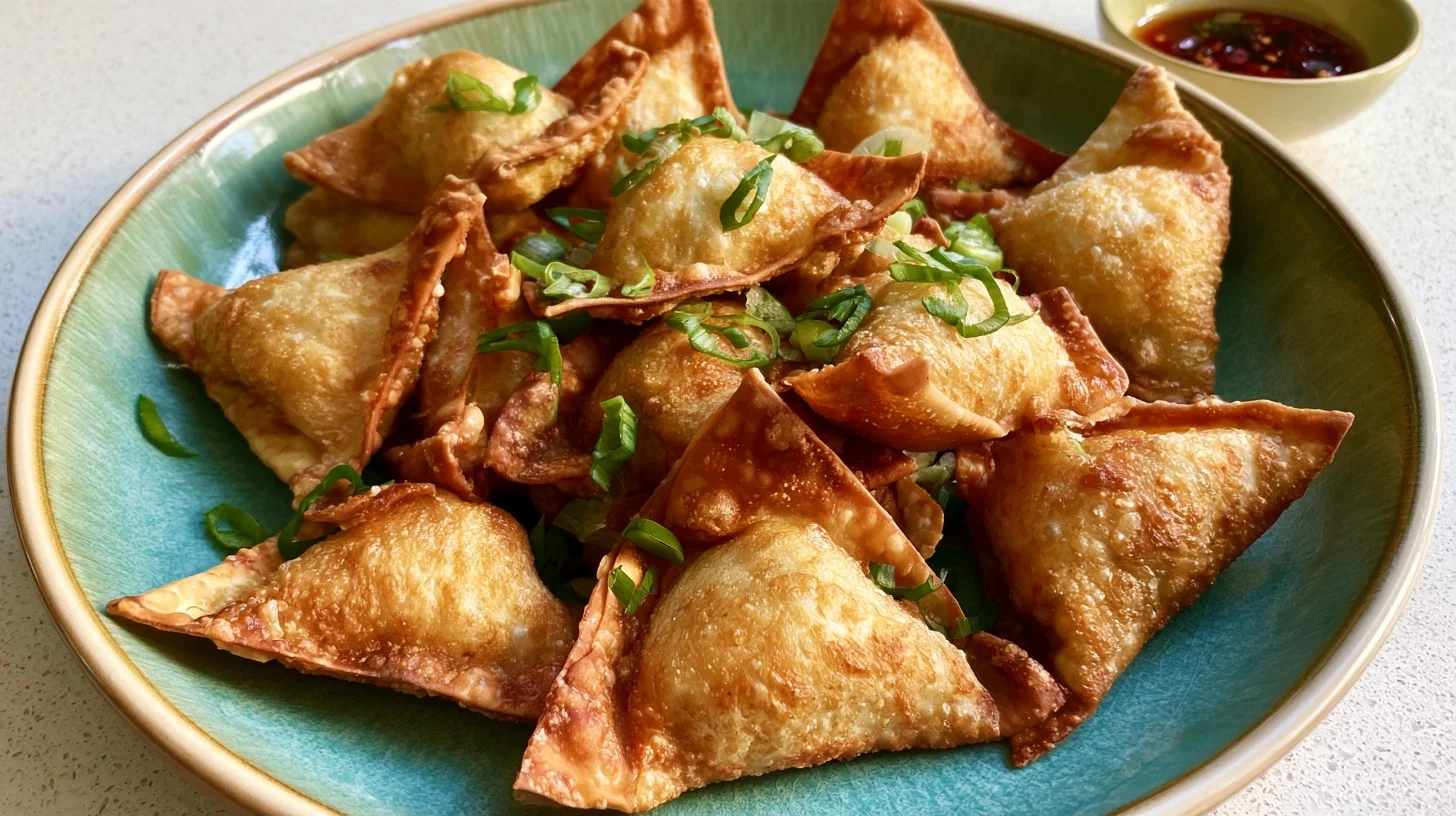
If you want another dish to round out the meal, crab rangoon makes a crispy, creamy appetizer that contrasts with the tender vegetables and savory sauce of the stir fry. A simple cucumber salad dressed with rice vinegar and sesame oil adds a cool, acidic counterpoint that cuts through the richness.
How to Store and Reheat Stir Fry
Stir fry keeps for 3 to 4 days in the refrigerator in an airtight container. The vegetables will soften slightly as they sit in the sauce, but the dish remains safe and flavorful. Stir fry freezes poorly because the high water content in the vegetables turns mushy when thawed, and the sauce separates.
Reheat stir fry in a skillet over medium high heat for 3 to 4 minutes, stirring frequently, until the internal temperature reaches 165°F. Add 1 to 2 tablespoons of water or chicken broth if the sauce has thickened too much in the refrigerator. Avoid the microwave if possible, as it steams the vegetables further and makes them soggy, though it works in a pinch at 50 percent power for 2 minutes, stirring halfway through.
For make ahead prep, cut the protein and vegetables and store them separately in the refrigerator for up to 1 day. Mix the sauce and store it in a sealed container for up to 3 days. Cook the stir fry just before serving, as it takes only 10 minutes once the pan is hot and does not hold well after cooking.
How to Make Stir Fry Recipe
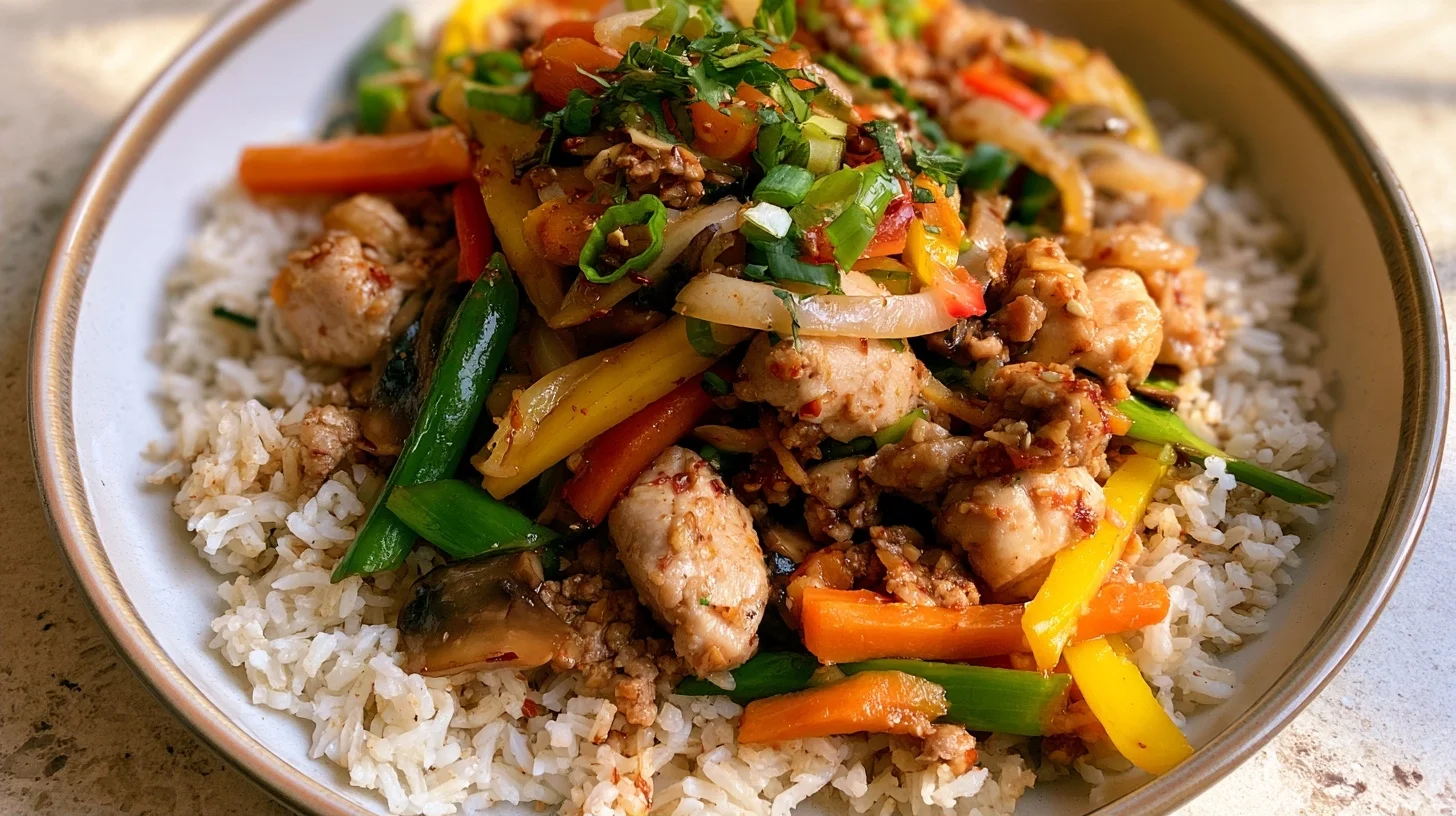
Chicken and Broccoli Stir Fry
4
servings15
minutes10
minutes285
kcalChicken and broccoli stir fry features tender chicken strips and crisp broccoli florets coated in a savory soy and oyster sauce that thickens to a glossy finish. The dish takes 25 minutes from start to finish and serves 4, with success depending on cooking in batches over high heat to sear instead of steam.
Keep the screen of your device on
Ingredients
1 pound boneless skinless chicken breast
3 cups broccoli florets
3 tablespoons soy sauce
2 tablespoons oyster sauce
1 tablespoon cornstarch
0.25 cup chicken broth
2 tablespoons vegetable oil
3 cloves garlic
1 tablespoon fresh ginger
2 cups cooked white rice
Directions
- Mix the sauce by whisking together the soy sauce, oyster sauce, cornstarch, and chicken broth in a small bowl until the cornstarch is fully dissolved with no lumps visible. Set aside.
- Heat the wok over high heat for 2 minutes, then add 1 tablespoon vegetable oil and swirl to coat. The oil should shimmer and just begin to smoke.
- Cook the chicken in a single layer without stirring for 90 seconds, then stir and cook for another 90 seconds until the internal temperature reaches 165°F and the edges are lightly browned. Transfer to a plate.
- Add the remaining oil to the wok, then add the garlic and ginger, stirring constantly for 30 seconds until fragrant but not browned.
- Add the broccoli and cook for 3 minutes, stirring every 30 seconds, until the edges are lightly charred and the stems still have a crisp snap when pierced with a fork.
- Return the chicken to the wok, pour in the sauce, and stir constantly for 1 minute until the sauce thickens and coats all ingredients with a glossy sheen. The sauce should cling to the chicken and broccoli without pooling at the bottom.
Notes
- Stir fry cooks in 8 to 10 minutes once the pan is hot, so have all ingredients prepped and within reach before you start cooking.
- If the stir fry turns out watery, the pan temperature dropped below 400°F from overcrowding. Pour off excess liquid, raise the heat to high, and cook for 2 more minutes to evaporate moisture.
- Stir fry keeps for 3 to 4 days in the refrigerator in an airtight container. Reheat in a skillet over medium high heat for 3 to 4 minutes, adding 1 to 2 tablespoons water if the sauce has thickened.
Nutrition Facts
- Serving Size: 1 g
- Total number of serves: 4
- Calories: 285kcal
- Fat: 10g
- Carbohydrates: 18g
- Fiber: 3g
- Protein: 28g
Did you make this recipe?
Tag @therecipemasterblog on Instagram and hashtag it with #therecipemaster
Like this recipe?
Follow @therecipemasterblog on Pinterest
Follow us on Facebook!
Follow The Recipe Master on Facebook
Frequently Asked Questions about Stir Fry Recipe
You can use frozen vegetables in stir fry, but thaw and pat them completely dry first to remove excess moisture. Frozen vegetables release more water than fresh when cooked at high heat, which can make the stir fry watery and prevent proper searing. Add them to the wok after thawing and increase the cooking time by 1 to 2 minutes to evaporate the extra liquid.
Peanut oil, vegetable oil, or canola oil work best for stir fry because they have smoke points above 400°F and neutral flavors that do not compete with the sauce. Sesame oil burns at high heat and should only be drizzled over the finished dish as a garnish. Use 2 tablespoons total for a 14 inch wok, adding 1 tablespoon before the protein and 1 tablespoon before the vegetables.
You do not need to marinate the chicken for stir fry, though a 15 minute marinade in 1 tablespoon soy sauce and 1 teaspoon cornstarch adds flavor and helps the meat stay tender. The high heat cooking time of 3 minutes is too short for a marinade to penetrate deeply, so slicing the chicken thin against the grain has a bigger impact on tenderness than marinating.
If you are interested in knowing the origin of stir fry, i suggest reading this article about the origins and techniques of stir fry.




Leave a Reply