

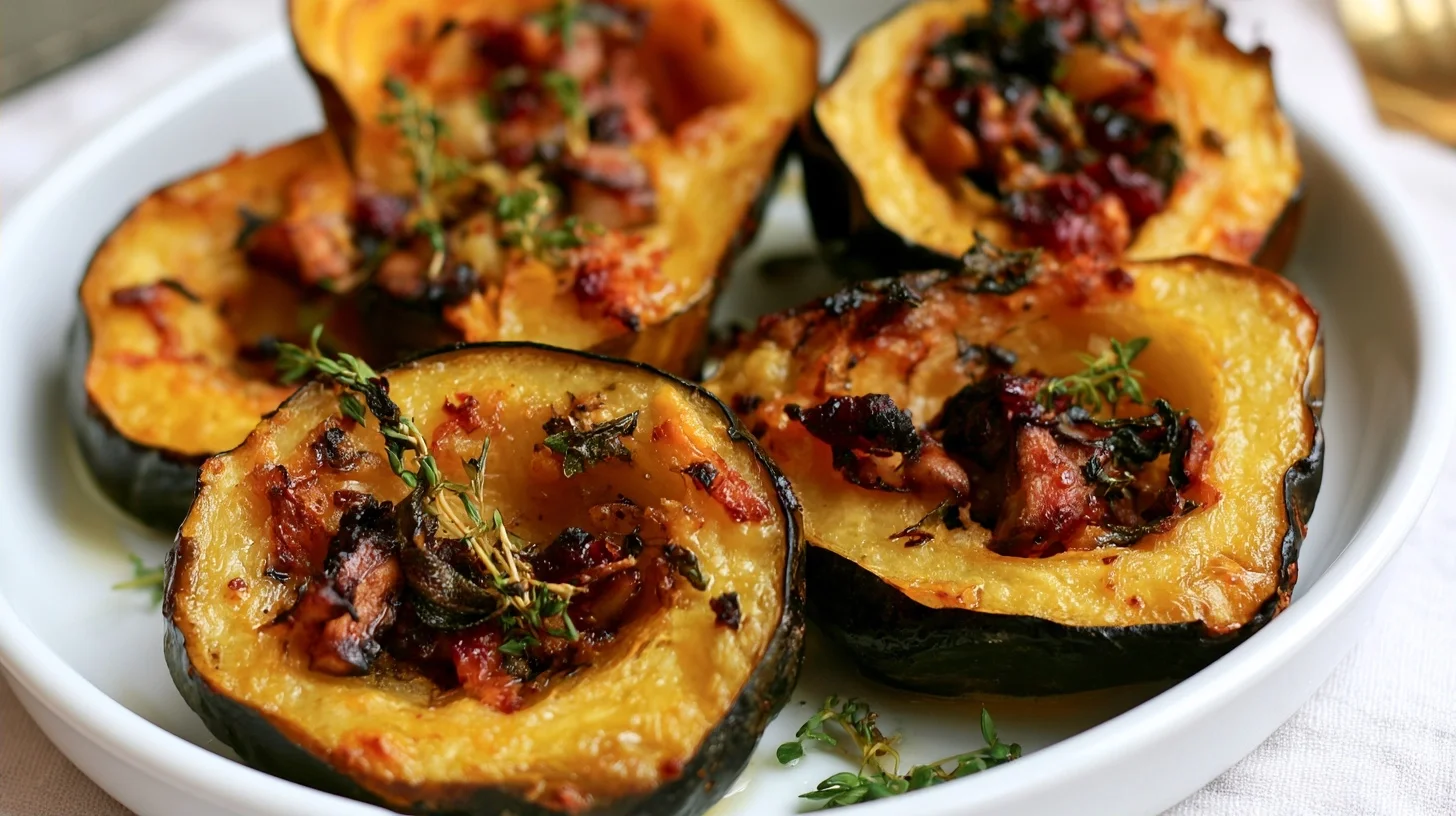
- Oven roasting caramelizes edges and concentrates natural sweetness, producing tender, creamy interior that holds its shape.
- Minimal ingredients: olive oil, salt, optional maple syrup or herbs deliver intentional flavor without heavy sauces.
- Key technique: roast at 400°F, cut even slices, avoid crowding, lightly oil, flip halfway, add sweetener near end for caramelization.
- Serve with roasted meats, grains, or salads; store refrigerated four days, reheat in 350°F oven to restore caramelized texture.
If you’re looking for a simple, flavorful side dish that highlights the natural sweetness of winter squash, roasted acorn squash is one of the most reliable options. The dry heat of the oven caramelizes the edges while keeping the flesh tender, and the preparation requires little more than cutting, seasoning, and time. Unlike boiling or steaming, roasting concentrates the squash’s flavor instead of diluting it.
What makes this approach particularly useful is that it works with minimal ingredients while still delivering a dish that feels intentional. The squash itself carries enough flavor that it doesn’t need heavy sauces or complicated preparations. A drizzle of olive oil, a sprinkle of salt, and optional additions like maple syrup or herbs are all it takes to bring out the best in this vegetable.
This recipe produces squash with golden, slightly crisp edges and a creamy interior that holds its shape on the plate. It works equally well as a weeknight side or a holiday table centerpiece, and it pairs naturally with roasted meats, grain bowls, or salads.
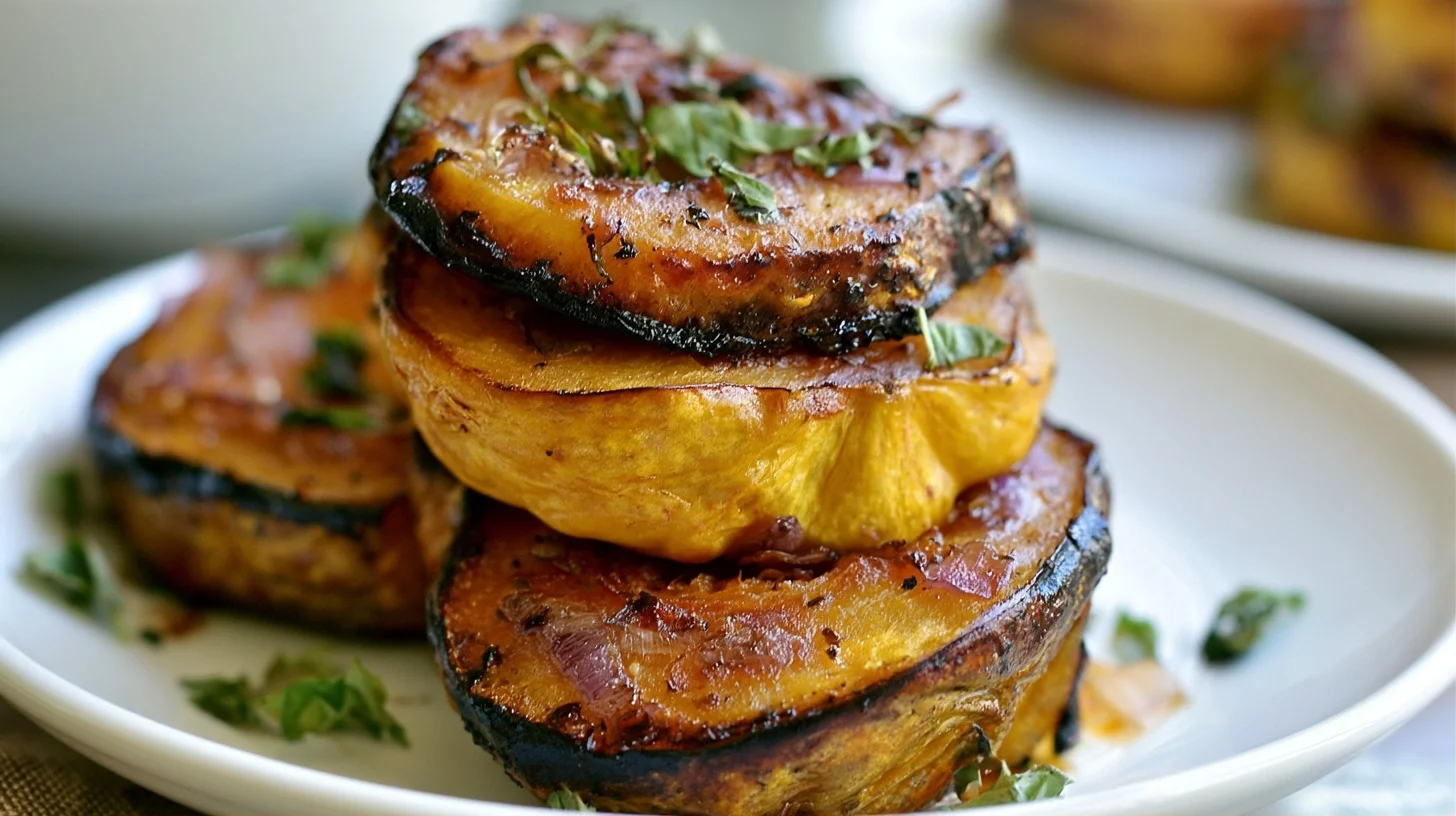
Table of contents
- Why You Will Love This Roasted Acorn Squash
- Essential Equipment for Roasting Acorn Squash
- How to Make Perfectly Roasted Acorn Squash
- How to Get Tender, Caramelized Squash Every Time
- Common Mistakes That Ruin Roasted Acorn Squash
- Easy Variations for Roasted Acorn Squash
- Nutritional Benefits of Roasted Acorn Squash
- Serving Ideas for Roasted Acorn Squash
- How to Store and Reheat Roasted Acorn Squash
- Frequently Asked Questions
Why You Will Love This Roasted Acorn Squash
- The natural sugars in the squash caramelize during roasting, creating deep flavor without added sweetness.
- The recipe requires only a few ingredients and one pan, making cleanup fast and straightforward.
- Roasting at the right temperature gives you tender flesh with golden edges that hold their shape when plated.
- The squash is naturally gluten-free, vegan-friendly, and works with a wide range of dietary preferences.
Essential Equipment for Roasting Acorn Squash
You don’t need specialized tools to roast acorn squash well, but a few key items make the process safer and more efficient.
- Sharp chef’s knife: Acorn squash has a thick, tough skin that requires a sturdy blade to cut through safely without slipping.
- Large rimmed baking sheet: A half-sheet pan gives the squash slices enough space to roast without steaming, which is critical for caramelization.
- Parchment paper or silicone mat: This prevents sticking and makes cleanup easier, especially when the sugars start to caramelize.
- Pastry brush or spoon: Useful for evenly coating the squash with oil or glaze without oversaturating the surface.
How to Make Perfectly Roasted Acorn Squash
Roasted Acorn Squash
4
servings10
minutes40
minutes130
kcalThis roasted acorn squash recipe produces tender, caramelized slices with golden edges and a creamy interior. The squash is seasoned simply with olive oil, salt, and optional maple syrup, allowing its natural sweetness to shine. It works as a versatile side dish for weeknight dinners or holiday meals.
Keep the screen of your device on
Ingredients
2 medium acorn squash
2 tablespoons olive oil
0.75 teaspoon salt
0.25 teaspoon black pepper
1 tablespoon maple syrup
0.5 teaspoon cinnamon
1 tablespoon fresh thyme leaves
1 tablespoon toasted pecans
Directions
- Preheat the oven to 400°F and line a large rimmed baking sheet with parchment paper or a silicone mat. This temperature is high enough to caramelize the squash without drying it out.
- Cut each acorn squash in half from stem to bottom, then scoop out the seeds and stringy pulp using a sturdy spoon. Slice each half into half-inch to three-quarter-inch thick wedges, keeping the slices as uniform as possible so they cook evenly.
- Arrange the squash slices in a single layer on the prepared baking sheet, making sure they don’t overlap. Crowding the pan will trap steam and prevent the edges from browning.
- Drizzle the olive oil over the squash slices, then use a pastry brush or your hands to coat each piece lightly. Sprinkle the salt and black pepper evenly over the top.
- Roast the squash for 20 minutes, then carefully flip each slice with a spatula. Return the pan to the oven and roast for another 15 to 20 minutes, until the squash is fork-tender and the edges are golden brown.
- Brush with maple syrup during the last 5 minutes of roasting if you want a lightly sweetened glaze. Add cinnamon at this stage if using. The sugars will caramelize quickly, so watch closely to prevent burning.
Notes
- Roasting at 400°F gives the squash enough time to soften while allowing the surface to caramelize without burning.
- If the squash slices are uneven in thickness, the thinner pieces will finish cooking before the thicker ones, so aim for consistent cuts.
- Store leftover roasted acorn squash in an airtight container in the refrigerator for up to four days. Reheat in a 350°F oven for about 10 minutes to restore the caramelized texture.
Nutrition Facts
- Serving Size: 1g
- Total number of serves: 4
- Calories: 130kcal
- Fat: 7g
- Carbohydrates: 22g
- Fiber: 3g
- Protein: 2g
Did you make this recipe?
Tag @therecipemasterblog on Instagram and hashtag it with #therecipemaster
Like this recipe?
Follow @therecipemasterblog on Pinterest
Follow us on Facebook!
Follow The Recipe Master on Facebook
How to Get Tender, Caramelized Squash Every Time
The key to successful roasted acorn squash is controlling moisture and heat distribution. Roasting at 400°F gives the squash enough time to soften while allowing the surface to caramelize without burning.
Cut the Squash Into Even Slices
Uniform thickness ensures that all pieces cook at the same rate. Aim for slices between half an inch and three-quarters of an inch thick. Thinner slices may dry out before the interior softens, while thicker slices may remain undercooked in the center even after the edges brown.
Use Just Enough Oil
A light coating of oil helps the squash brown without making it greasy. Too much oil pools in the ridges and prevents the edges from crisping. Brushing or drizzling one to two tablespoons of oil over the entire batch is usually sufficient.
Give the Squash Space on the Pan
Crowding the pan traps steam, which softens the squash instead of browning it. Arrange the slices in a single layer with a small gap between each piece. If you’re roasting more than one squash, use two pans rather than stacking or overlapping.
Flip Halfway Through for Even Browning
Flipping the squash slices after about 20 minutes ensures both sides develop color. Use a thin spatula to lift each piece carefully, as the flesh becomes tender and can break apart if handled roughly.
Add Maple Syrup or Honey in the Final Minutes
If you’re using a sweetener, brush it on during the last five to seven minutes of roasting. Adding it earlier can cause the sugars to burn before the squash finishes cooking. This timing gives you a glossy, caramelized surface without bitterness.
For a deeper flavor, try using stuffed acorn squash with grains and herbs as a heartier variation that builds on the same roasting technique.
Common Mistakes That Ruin Roasted Acorn Squash
Roasting at Too Low a Temperature
Roasting acorn squash below 375°F often results in squash that steams rather than browns. The flesh becomes soft but lacks the caramelized edges that give roasted squash its depth of flavor. To fix this, increase the oven temperature to 400°F and extend the cooking time slightly if needed. This higher heat encourages browning while still cooking the interior through.
Leaving the Seeds In
Failing to scoop out the seeds and stringy pulp before roasting leaves a fibrous, unpleasant texture in the finished dish. The seeds also prevent even seasoning and can burn during roasting. Always remove the seeds completely using a sturdy spoon, scraping until the cavity is clean. If you want to use the seeds, roast them separately with oil and salt.
Cutting Uneven Slices
When squash slices vary in thickness, some pieces finish cooking while others remain hard or burn at the edges. This happens because thinner slices cook faster and thicker slices need more time. To prevent this, measure your slices as you cut and aim for consistent thickness across the entire squash. A ruler or visual guide can help until you develop a feel for it.
Not Drying the Squash After Washing
Excess water on the surface of the squash creates steam in the oven, which interferes with caramelization. The squash ends up soft but pale instead of golden. After washing, pat each slice dry with a clean towel before oiling and seasoning. This small step makes a noticeable difference in the final texture.
Easy Variations for Roasted Acorn Squash
Savory Herb and Garlic
Skip the sweetener and toss the squash with olive oil, minced garlic, fresh thyme, and a pinch of red pepper flakes before roasting. This version pairs well with roasted chicken or pork and works as a base for grain bowls.
Maple Cinnamon Glaze
Combine two tablespoons of maple syrup with a quarter teaspoon of cinnamon and a pinch of nutmeg. Brush this mixture over the squash during the last five minutes of roasting for a warm, lightly spiced finish that works well with holiday meals.
Brown Butter and Sage
Melt two tablespoons of butter in a small pan until it turns golden and smells nutty, then add a few fresh sage leaves. Drizzle this over the roasted squash just before serving. The richness of brown butter complements the squash’s natural sweetness without overpowering it.
Vegan and Dairy-Free
Use olive oil or coconut oil instead of butter, and replace honey with maple syrup or agave nectar. The squash roasts just as well with plant-based fats, and the flavor remains rich and satisfying.
Nutritional Benefits of Roasted Acorn Squash
Acorn squash is a nutrient-dense vegetable that provides complex carbohydrates, fiber, and a range of vitamins and minerals. One cup of roasted acorn squash contains approximately 115 calories, 30 grams of carbohydrates, and 9 grams of fiber, making it a filling side dish that supports steady energy levels.
It’s particularly high in vitamin A, which supports vision and immune function, and vitamin C, which acts as an antioxidant. The squash also contains potassium, which helps regulate blood pressure, and magnesium, which supports muscle and nerve function. Because it’s naturally low in fat and free of cholesterol, it fits easily into heart-healthy eating patterns.
Roasting the squash without added sugar or heavy fats keeps the dish relatively low in calories while preserving its nutritional value. For those managing blood sugar, pairing the squash with a source of protein or healthy fat can help slow digestion and prevent spikes.
For more information on different types of squash and their culinary uses, this visual guide to squash varieties offers helpful context.
Serving Ideas for Roasted Acorn Squash
Roasted acorn squash works as a standalone side dish, but it also integrates well into larger meals. Serve it alongside roasted turkey, pork tenderloin, or grilled chicken for a balanced plate. The squash’s mild sweetness contrasts nicely with savory proteins and rich sauces.
For a vegetarian main, arrange the roasted squash over a bed of quinoa or farro, then top with toasted pecans, dried cranberries, and a drizzle of tahini or balsamic glaze. This combination provides protein, healthy fats, and a variety of textures.
Roasted acorn squash also works well in salads. Toss it with arugula, goat cheese, and a simple vinaigrette for a fall-inspired dish that holds up well at room temperature. The squash can be roasted ahead and added to the salad just before serving.
For breakfast or brunch, pair the squash with scrambled eggs, sautéed greens, and a slice of whole-grain toast. The squash adds a hearty, slightly sweet element that complements savory morning dishes.
How to Store and Reheat Roasted Acorn Squash
Store roasted acorn squash in an airtight container in the refrigerator for up to four days. Let the squash cool completely before sealing the container to prevent condensation, which can make the squash soggy.
To reheat, spread the squash on a baking sheet and warm it in a 350°F oven for about 10 minutes. This method restores some of the caramelized texture without drying out the flesh. Avoid microwaving if possible, as it tends to make the squash watery and soft.
Roasted acorn squash can also be frozen for up to three months. Arrange the cooled slices on a parchment-lined baking sheet and freeze until solid, then transfer to a freezer-safe bag or container. This prevents the slices from sticking together and makes it easy to thaw only what you need. Thaw in the refrigerator overnight before reheating.
Frequently Asked Questions
No, you do not need to peel acorn squash before roasting. The skin becomes tender during roasting and is edible, though some people prefer to remove it after cooking if the texture is too firm.
Roasted acorn squash is done when a fork or knife slides easily into the thickest part of the flesh and the edges are golden brown. This usually takes 35 to 40 minutes at 400°F.
Yes, you can roast acorn squash without oil, but the squash will not caramelize as well and may dry out slightly. A small amount of oil helps the surface brown and keeps the flesh moist during roasting.
You can use honey, agave nectar, or brown sugar instead of maple syrup. Each option will add sweetness and help the squash caramelize, though the flavor will vary slightly depending on which sweetener you choose.




Leave a Reply