

If you’re craving a dish that balances creamy, savory, and bold Southern flavors, shrimp and grits recipe delivers every time. This classic combination features tender, perfectly seasoned shrimp served over smooth, buttery grits with a rich, slightly spicy sauce that ties everything together. The magic lies in getting the grits silky without being gluey and cooking the shrimp just until they turn opaque so they stay plump and sweet.
What sets this version apart is the way the sauce builds flavor in layers—starting with crispy bacon, then sautéed vegetables, and finishing with a splash of broth and cream that clings to every bite. The result is a dish that feels indulgent but comes together in about 45 minutes, making it perfect for a weekend brunch or a comforting weeknight dinner.
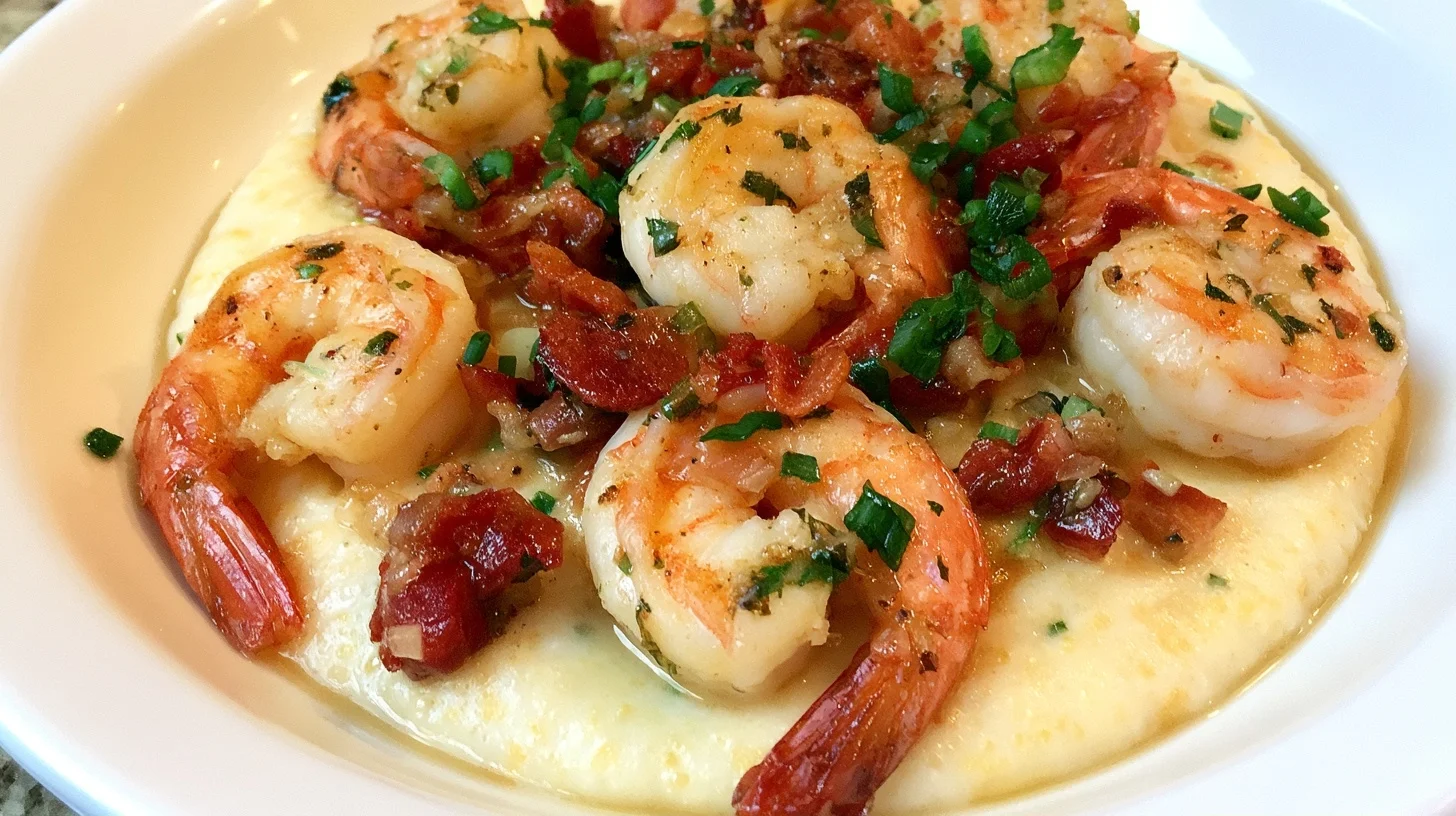
Table of contents
- Why You Will Love This Shrimp and Grits
- Essential Equipment for Shrimp and Grits Recipe
- How to Make Creamy Shrimp and Grits Recipe
- How to Get Perfectly Cooked Shrimp Every Time
- Common Mistakes When Making Shrimp and Grits
- Easy Variations for Shrimp and Grits
- Nutrition in Shrimp and Grits Recipe
- Serving Shrimp and Grits
- How to Store Shrimp and Grits
- Frequently Asked Questions about Shrimp and Grits Recipe
Why You Will Love This Shrimp and Grits
- The grits turn out consistently creamy without constant stirring or lumps.
- The sauce has real depth from bacon drippings and a touch of garlic without overpowering the shrimp.
- The recipe walks you through the exact texture cues so you know when each component is done.
- You can prep the grits ahead and reheat them with a splash of liquid, making this surprisingly practical for entertaining.
Essential Equipment for Shrimp and Grits Recipe
You don’t need specialty tools to make great shrimp and grits, but a few key pieces make the process smoother and help you control texture and timing.
- Heavy-bottomed saucepan: Prevents the grits from scorching on the bottom and distributes heat evenly so they cook uniformly.
- Large skillet or sauté pan: Gives the shrimp enough room to sear without steaming, which is essential for getting a light golden color on the edges.
- Whisk: Helps break up any lumps as the grits thicken and keeps the texture smooth.
- Fine-mesh strainer: Useful if you want to strain the sauce for an extra-smooth finish, though this step is optional.
How to Make Creamy Shrimp and Grits Recipe
Shrimp and Grits
4
servings15
minutes30
minutes485
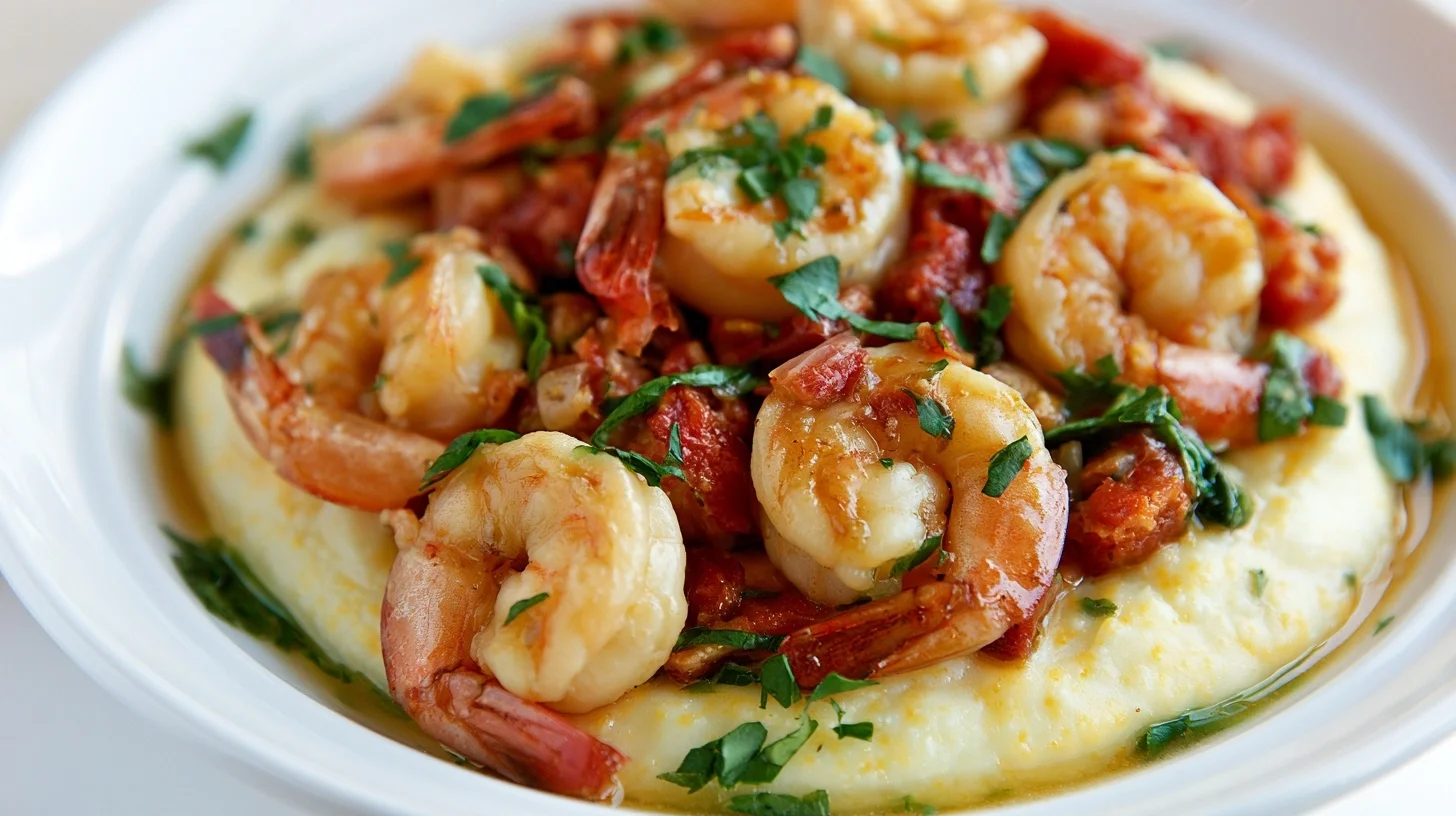
kcalThis shrimp and grits recipe combines tender, perfectly cooked shrimp with smooth, buttery grits and a rich bacon-based sauce. The key is cooking the grits low and slow until they’re completely creamy, then searing the shrimp quickly so they stay plump. The sauce builds flavor from bacon drippings, garlic, and a splash of broth that ties everything together.
Keep the screen of your device on
Ingredients
1 cup stone-ground grits
4 cups chicken broth
1 pound large shrimp
4 slices bacon
1 medium bell pepper
3 cloves garlic
0.5 cup heavy cream
2 tablespoons butter
1 teaspoon Cajun seasoning
0.25 teaspoon black pepper
2 tablespoons green onions
1 tablespoon lemon juice
Directions
- Bring 3 cups of chicken broth to a boil in a heavy-bottomed saucepan over medium-high heat. Once boiling, reduce the heat to low and slowly pour in the grits while whisking constantly to prevent lumps from forming.
- Simmer the grits over low heat for 20 to 25 minutes, stirring occasionally, until they’re completely tender with no gritty texture. If they become too thick, add a few tablespoons of the remaining broth or water and stir until they loosen to a spoonable consistency.
- Cook the bacon in a large skillet over medium heat until crispy, about 5 to 6 minutes. Remove the bacon and set it aside, leaving the drippings in the pan.
- Pat the shrimp dry with paper towels and season them with Cajun seasoning and black pepper. Increase the heat to medium-high and add the shrimp to the skillet in a single layer. Cook for 2 to 3 minutes per side until they turn opaque and develop a light golden color, then remove them from the pan.
- Sauté the bell pepper and garlic in the same skillet over medium heat for 2 to 3 minutes until softened. The bacon drippings will flavor the vegetables and create the base for the sauce.
- Deglaze the pan with the remaining 1 cup of chicken broth, scraping up any browned bits from the bottom. Let the broth simmer for 2 minutes, then stir in the heavy cream and cook for another 2 minutes until the sauce thickens slightly and coats the back of a spoon.
Notes
- Patting the shrimp dry before cooking removes surface moisture, which helps them sear instead of steam and creates better browning and flavor.
- If the grits thicken too much while sitting, whisk in a few tablespoons of warm broth or milk until they return to a creamy, pourable consistency.
- Store leftover grits and shrimp separately in airtight containers in the refrigerator for up to 3 days. Reheat the grits gently on the stovetop with added liquid, and warm the shrimp briefly in a skillet over low heat to avoid overcooking.
Nutrition Facts
- Serving Size: 1 g
- Total number of serves: 4
- Calories: 485kcal
- Fat: 23g
- Carbohydrates: 38g
- Fiber: 2g
- Protein: 28g
Did you make this recipe?
Tag @therecipemasterblog on Instagram and hashtag it with #therecipemaster
Like this recipe?
Follow @therecipemasterblog on Pinterest
Follow us on Facebook!
Follow The Recipe Master on Facebook
How to Get Perfectly Cooked Shrimp Every Time
The key to tender shrimp is cooking them just until they turn opaque and start to curl, which usually takes 2 to 3 minutes per side depending on their size. Overcooking makes them rubbery and dry, so pull them off the heat as soon as they lose their translucent gray color and develop a light pink exterior.
Pat the Shrimp Dry Before Cooking
Moisture on the surface of the shrimp creates steam instead of a sear, which prevents browning and dilutes the flavor of the sauce. Use paper towels to blot each shrimp thoroughly before seasoning, and you’ll get better caramelization and a richer overall taste.
Use Medium-High Heat for the Shrimp
If the pan is too cool, the shrimp will release liquid and poach instead of searing. If it’s too hot, the outside will toughen before the inside cooks through. Medium-high heat gives you a golden edge without drying out the center, and the shrimp should sizzle immediately when they hit the pan.
Cook the Grits Low and Slow
Grits need gentle heat and time to soften fully and develop a creamy texture. Rushing them on high heat causes the outside of each grain to thicken before the inside cooks, leaving you with a gritty, uneven consistency. Keep the heat low, stir occasionally, and let them simmer until they taste tender with no chalky bite.
Add Liquid Gradually to Adjust Thickness
Grits continue to absorb liquid as they sit, so they often thicken more than you expect. If they become too stiff, whisk in a few tablespoons of warm broth or milk at a time until they loosen to a spoonable, porridge-like consistency. This also works if you’re reheating leftovers.
Build the Sauce in the Same Pan
After you cook the bacon and shrimp, leave the drippings in the pan and use them to sauté the vegetables and deglaze with broth. This technique layers flavor into the sauce and creates a cohesive dish where every element tastes connected. Scraping up the browned bits from the bottom adds depth that you can’t get from starting with a clean pan.
If you’re looking for another quick shrimp dish with bold flavor, shrimp orzo uses similar techniques but swaps the grits for tender pasta in a lemony sauce.
Common Mistakes When Making Shrimp and Grits
Adding the Grits Too Quickly
Dumping the grits into the liquid all at once causes them to clump together before they have a chance to hydrate evenly. This leaves you with lumps that are nearly impossible to break up later. Pour the grits in slowly while whisking constantly, which gives each grain time to separate and absorb liquid uniformly.
Skipping the Bacon
Bacon isn’t just a garnish—it provides the fat that carries flavor through the entire dish and gives the sauce a smoky, savory base. If you leave it out, the sauce tastes flat and one-dimensional. Even if you’re avoiding pork, consider using a smoked sausage or a teaspoon of smoked paprika to replace that depth.
Overcrowding the Pan When Cooking Shrimp
When shrimp are packed too tightly, they release moisture that gets trapped in the pan, causing them to steam instead of sear. This results in pale, rubbery shrimp with no caramelization. Cook them in a single layer with space between each piece, or work in batches if your pan isn’t large enough.
Not Tasting the Grits for Doneness
Even if the grits look creamy, they may still have a gritty, undercooked texture if they haven’t simmered long enough. The only reliable way to check is to taste them—they should be completely soft with no chalky bite. If they’re still firm, add a bit more liquid and continue cooking until they’re tender all the way through.
Easy Variations for Shrimp and Grits
Spicy Cajun Shrimp and Grits
Add a teaspoon of Cajun seasoning to the shrimp before cooking, and stir a pinch of cayenne into the sauce for a bolder, spicier version. You can also use andouille sausage instead of bacon for a smokier, more robust flavor profile.
Cheesy Grits
Stir in a half cup of shredded sharp cheddar or Gruyère once the grits are fully cooked. The cheese adds richness and a slight tang that balances the savory sauce. Just make sure to add the cheese off the heat so it melts smoothly without separating.
Dairy-Free Version of Shrimp and Grits Recipe
Replace the butter with olive oil or vegan butter, and use full-fat coconut milk or unsweetened almond milk in place of cream. The grits will still be creamy, though the flavor will be slightly lighter. Coconut milk adds a subtle sweetness that works surprisingly well with the shrimp and bacon.
Vegetable-Forward Version
Add diced tomatoes, spinach, or sautéed mushrooms to the sauce for extra texture and nutrients. These vegetables cook quickly in the same pan and soak up the bacon drippings, making the dish feel more complete without adding much time.
Nutrition in Shrimp and Grits Recipe
Shrimp and grits can be a balanced meal when portioned thoughtfully. Shrimp are naturally low in calories and high in protein, providing about 20 grams of protein per 3-ounce serving with minimal fat. The grits contribute complex carbohydrates that provide steady energy, and when cooked with butter and cream, they add richness that makes the dish satisfying.
Bacon and cream increase the fat and calorie content, so if you’re watching those numbers, you can use turkey bacon, reduce the butter, or swap heavy cream for half-and-half without sacrificing too much flavor. Adding vegetables like bell peppers or spinach boosts fiber and vitamins without adding many calories.
Serving Shrimp and Grits
Shrimp and grits work well as a standalone dish, but you can round out the meal with a simple side salad or steamed green beans. The dish is rich enough that you don’t need much else, though a slice of crusty bread is perfect for soaking up any extra sauce.
For brunch, serve it alongside fresh fruit or a light arugula salad with lemon vinaigrette to cut through the richness. For dinner, roasted asparagus or sautéed collard greens add a slightly bitter contrast that balances the creamy grits and savory shrimp.
How to Store Shrimp and Grits
Store the grits and shrimp separately in airtight containers in the refrigerator for up to 3 days. The grits will thicken as they cool, so when you reheat them, add a few tablespoons of broth or milk and stir over low heat until they loosen to the right consistency.
Reheat the shrimp gently in a skillet over medium-low heat, adding a splash of the sauce to keep them moist. Avoid microwaving the shrimp at high power, as they’ll overcook quickly and turn rubbery. If you’re making the dish ahead, cook the grits fully and refrigerate them, then cook the shrimp fresh just before serving.
Freezing shrimp and grits isn’t ideal because the texture of both the grits and the shrimp can become grainy or mushy when thawed. If you do freeze them, use the grits within a month and reheat them slowly with extra liquid, but expect a slight change in texture.
Frequently Asked Questions about Shrimp and Grits Recipe
Yes, instant grits work and cook much faster, but they won’t have the same depth of flavor or creamy texture as stone-ground grits. Stone-ground grits take longer to cook but have a more complex, slightly nutty taste and a smoother consistency. If you use instant grits, follow the package directions and expect a thinner texture unless you reduce the liquid slightly.
Medium to large shrimp, typically 26-30 or 31-40 count per pound, work best. They’re large enough to stay tender and juicy without overcooking, but not so big that they dominate the dish. Smaller shrimp cook too quickly and can turn rubbery before you notice, while jumbo shrimp can feel out of proportion with the grits.
Yes, you can make the grits up to 2 days ahead and store them in the refrigerator. Reheat them gently on the stovetop with a few tablespoons of broth or milk, stirring until they loosen to the right consistency. Cook the shrimp fresh just before serving so they stay tender and don’t overcook during reheating.
Grits turn out gritty when they haven’t cooked long enough or when the heat is too high, which causes the outside to thicken before the inside softens. Cook them over low heat and give them time to fully hydrate, stirring occasionally. Taste them before serving—they should be completely tender with no chalky bite. If they’re still gritty, add more liquid and continue simmering.




Leave a Reply