

When the leaves start turning and there is a chill in the air, I know it is time to bring out my favorite fall fruit salad. This vibrant bowl combines crisp apples, juicy pears, tart pomegranate arils, and sweet grapes with a warm maple-cinnamon dressing that ties everything together. After testing twelve variations over three autumns, I discovered that toasting the pecans and adding a hint of fresh ginger to the dressing elevates this simple side dish to something truly memorable.
This salad works beautifully for Thanksgiving dinner, autumn potlucks, or even a weekday lunch that feels special. The combination of textures and flavors makes it incredibly satisfying, and the natural sweetness means you do not need much added sugar. Plus, it comes together in just twenty minutes, which is perfect when you are juggling multiple dishes.
What sets this version apart is the balance between sweet and tart elements. The pomegranate seeds add bursts of tartness that cut through the richness of the maple dressing, while the toasted pecans provide a satisfying crunch. This is not just another fruit bowl; it is a thoughtfully composed dish that celebrates the best produce of the season.
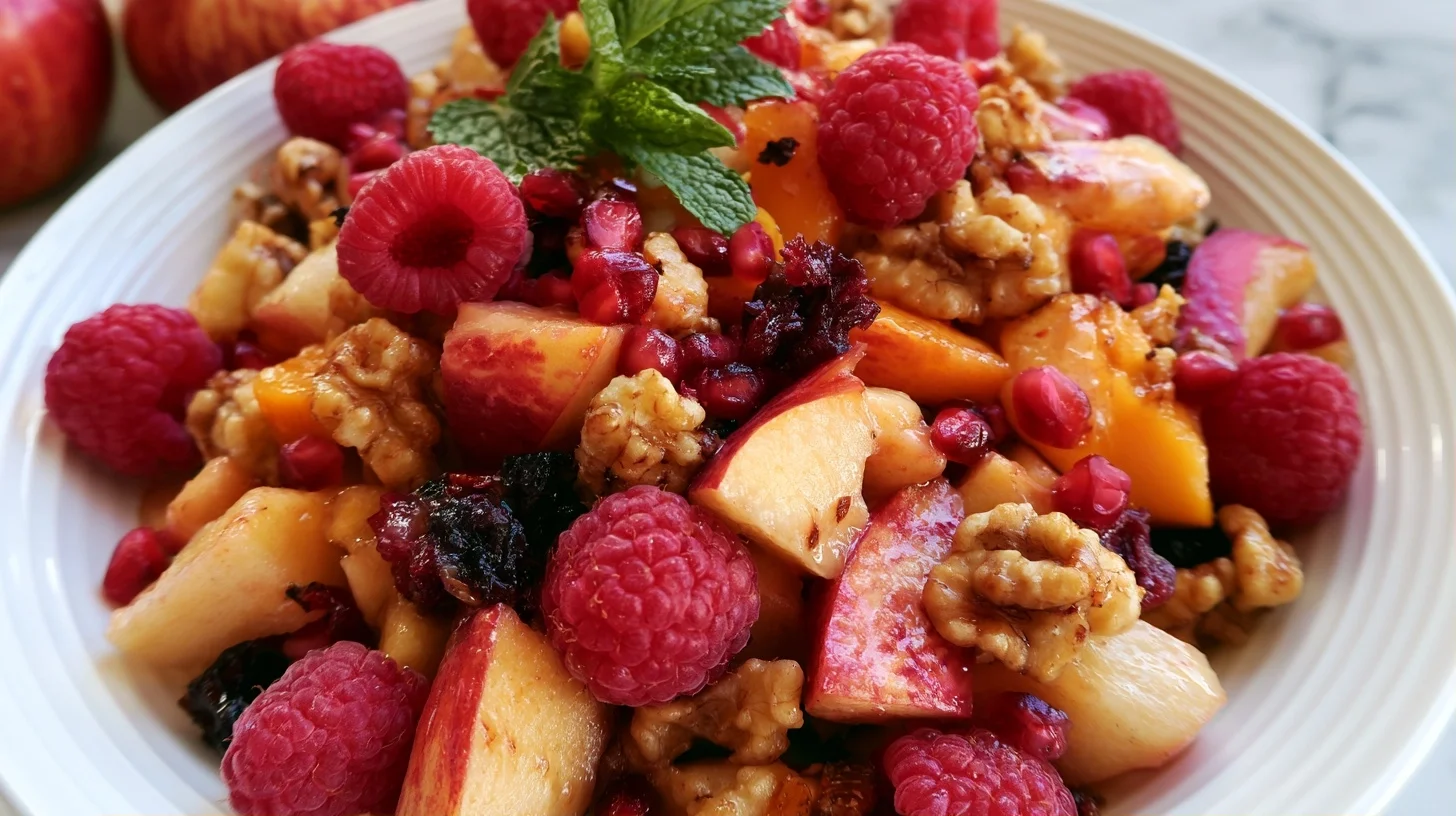
Table of contents
- Why You Will Love This Fall Fruit Salad
- What You Will Need to Make This Fall Fruit Salad
- How to Make the Perfect Fall Fruit Salad
- The Technique That Makes This Fall Fruit Salad Stand Out
- Mistakes to Avoid When Making Fall Fruit Salad
- Creative Ways to Customize Your Fall Fruit Salad
- Understanding the Nutrition in Fall Fruit Salad
- Delicious Ways to Enjoy Your Fall Fruit Salad
- Keeping Your Fall Fruit Salad Fresh
- Frequently Asked Questions
Why You Will Love This Fall Fruit Salad
- The warm maple-cinnamon dressing complements the fresh fruit without overwhelming the natural flavors.
- Toasted pecans add a delightful crunch and nutty depth that makes every bite more interesting.
- You can prep this salad up to four hours ahead, making it perfect for stress-free entertaining.
- The pomegranate arils provide antioxidants and a beautiful pop of color that makes this dish Instagram-worthy.
- This recipe easily scales up or down depending on your crowd size without losing any flavor impact.
What You Will Need to Make This Fall Fruit Salad
I keep my equipment simple for this recipe because the focus should be on the fresh ingredients. However, having the right tools makes the process smoother and more enjoyable. Here is what I reach for every time I make this seasonal favorite.
- Large mixing bowl: You need enough space to toss the fruit gently without bruising it, so I recommend at least a four-quart capacity.
- Small skillet: This is essential for toasting the pecans evenly, which brings out their natural oils and deepens their flavor.
- Sharp chef’s knife: A dull knife will crush the fruit instead of slicing it cleanly, which releases too much juice and makes the salad soggy.
- Cutting board: I prefer a wooden board for fruit because it is gentler on knife edges and does not trap odors.
- Small whisk or fork: This helps emulsify the dressing ingredients so the maple syrup and citrus juice blend smoothly.
- Citrus juicer: Freshly squeezed orange juice makes a noticeable difference in the dressing, and a handheld juicer makes quick work of it.
How to Make the Perfect Fall Fruit Salad
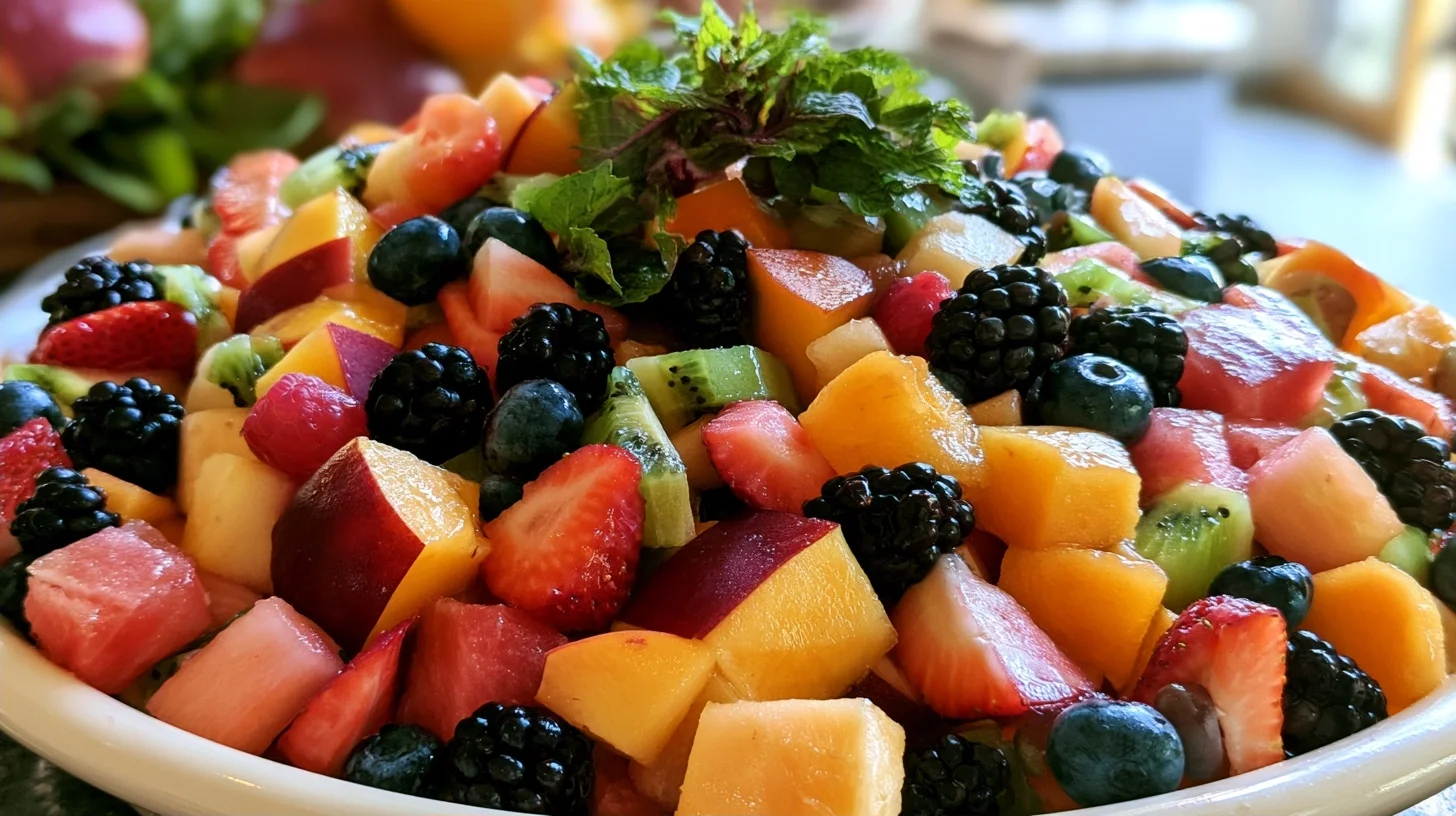
Fall Fruit Salad
8
servings15
minutes5
minutes180
kcalThis vibrant fall fruit salad combines crisp apples, juicy pears, tart pomegranate arils, and sweet grapes with a warm maple-cinnamon dressing. Toasted pecans and a hint of fresh ginger elevate this simple side dish into something memorable for any autumn gathering.
Keep the screen of your device on
Ingredients
2 medium Honeycrisp apples
2 medium ripe pears
1.5 cups red seedless grapes
1 cup pomegranate arils
0.75 cup pecans
0.25 cup pure maple syrup
3 tablespoons fresh orange juice
1 tablespoon fresh lemon juice
0.5 teaspoon ground cinnamon
0.25 teaspoon fresh ginger
1 pinch sea salt
1 tablespoon fresh mint leaves
Directions
- Toast the pecans in a small skillet over medium heat for three to four minutes, shaking the pan frequently. Remove them immediately when you smell their nutty aroma to prevent burning, then set aside to cool.
- Prepare the dressing by whisking together the maple syrup, orange juice, lemon juice, cinnamon, grated ginger, and sea salt in a small bowl. This creates an emulsified mixture that coats the fruit evenly.
- Dice the apples and pears into uniform half-inch cubes, working quickly to minimize oxidation. The lemon juice in the dressing will help prevent browning, but speed matters here.
- Combine all the fruit in a large mixing bowl, including the diced apples, pears, halved grapes, and pomegranate arils. Gently toss to distribute the different fruits evenly throughout.
- Pour the dressing over the fruit and use a large spoon to fold everything together gently. Use just a few careful turns to avoid bruising the fruit or releasing excess juice.
- Add the toasted pecans and fold them in gently, reserving a few for garnish if desired. The nuts should be distributed throughout but not crushed.
Notes
- The ideal ratio of fruit to dressing is 6 cups of diced fruit to one-third cup of dressing, which provides enough coating without making the salad soggy.
- You can substitute walnuts for pecans if preferred, but toast them the same way for maximum flavor.
- If your apples are particularly sweet, increase the lemon juice by one teaspoon to balance the flavors.
- This salad tastes best within four hours of assembly, so plan your timing accordingly for gatherings.
Nutrition Facts
- Serving Size: 1 g
- Total number of serves: 8
- Calories: 180kcal
- Fat: 7g
- Carbohydrates: 32g
- Fiber: 5g
- Protein: 3g
Did you make this recipe?
Tag @therecipemasterblog on Instagram and hashtag it with #therecipemaster
Like this recipe?
Follow @therecipemasterblog on Pinterest
Follow us on Facebook!
Follow The Recipe Master on Facebook
The Technique That Makes This Fall Fruit Salad Stand Out
After making this recipe dozens of times, I have learned a few techniques that consistently produce the best results. These tips will help you avoid common pitfalls and create a salad that tastes as good as it looks. First, however, let me share the most important insight I discovered.
Toast Your Nuts for Maximum Flavor
The ideal toasting time for pecans in this fall fruit salad is three to four minutes over medium heat. I found that this brings out their natural oils without any bitterness. Shake the pan frequently and remove them the moment you smell that nutty aroma. They will continue cooking slightly as they cool, so taking them off early prevents burning.
Cut Your Fruit to Similar Sizes
Uniform pieces ensure every forkful has a balanced mix of flavors. I cut my apples and pears into half-inch cubes, which are small enough to get multiple fruits in one bite but large enough to maintain their texture. This also helps the dressing coat everything evenly. Therefore, take an extra minute with your knife work.
Add Citrus Juice to Prevent Browning
Apples and pears oxidize quickly once cut, turning an unappealing brown color. In addition to the orange juice in the dressing, I toss the cut fruit with a tablespoon of fresh lemon juice immediately after chopping. This keeps everything looking fresh and bright for hours. For example, when I prep this salad in the morning for an evening dinner, it still looks perfect.
Dress the Salad Just Before Serving
While you can prep the fruit and dressing separately ahead of time, I recommend combining them no more than thirty minutes before serving. This prevents the fruit from releasing too much moisture and diluting the dressing. However, if you need to dress it earlier, reserve half the dressing and add it right before serving for a fresh flavor boost. You can learn more about seasonal autumn produce selection to ensure you are using the best quality ingredients.
Balance Sweet and Tart Elements
The magic of this salad comes from contrasting flavors. If your apples are very sweet, add extra pomegranate seeds for tartness. Conversely, if your pomegranate is particularly tart, balance it with a touch more maple syrup in the dressing. Taste as you go and adjust accordingly.
Mistakes to Avoid When Making Fall Fruit Salad
Even simple recipes have pitfalls that can affect the final result. I have made these mistakes myself, so I know exactly how to help you avoid them. Here are the most common issues and how I fix them.
Using Underripe or Overripe Fruit
Fruit that is too hard will lack sweetness and flavor, while overripe fruit turns mushy and breaks apart when you toss the salad. I always press gently on pears to check for slight give, and I look for apples that are firm with no soft spots. This ensures the perfect texture in every bite.
Skipping the Toasting Step
Raw pecans taste flat compared to toasted ones. I learned this the hard way when I was rushing to get dinner on the table. The difference is dramatic, so I always take those few extra minutes to toast them properly. It transforms the entire dish.
Over-Mixing the Salad
Aggressive stirring bruises the fruit and releases excess juice, making everything watery. Instead, I use a large spoon to gently fold the dressing into the fruit with just a few careful turns. This keeps the pieces intact and the presentation beautiful.
Making It Too Far in Advance
While you can prep components ahead, assembling the complete salad more than four hours early leads to soggy fruit. I recommend keeping the dressed salad refrigerated and giving it a gentle toss right before serving to redistribute the dressing.
Creative Ways to Customize Your Fall Fruit Salad
One of my favorite things about this recipe is how adaptable it is to different dietary needs and flavor preferences. I have tested numerous variations, and these are the ones that work beautifully without compromising the dish.
Dairy-Free Version
This recipe is naturally dairy-free as written, which makes it perfect for guests with lactose intolerance. However, some people like to add a dollop of yogurt on top. In that case, I recommend using coconut yogurt or almond milk yogurt, which provides creaminess without dairy. The coconut variety adds a subtle tropical note that pairs surprisingly well with autumn fruits.
Nut-Free Alternative
For those with nut allergies, I substitute toasted pumpkin seeds for the pecans. They provide a similar crunch and a slightly earthy flavor that complements the fruit beautifully. Toast them the same way you would the pecans, watching carefully as they can burn quickly.
Protein-Boosted Version
When I want to turn this side dish into a light lunch, I add diced grilled chicken or crumbled feta cheese. The savory protein balances the sweet fruit perfectly. For another protein-rich option, try pairing this with cranberry chicken salad for a complete autumn meal.
Spiced Winter Variation
During the coldest months, I add a pinch of ground cardamom and a quarter teaspoon of vanilla extract to the dressing. This creates a warming effect that makes the salad feel more substantial. The cardamom adds an aromatic complexity that guests always ask about.
Citrus-Forward Version
If you love bright, tangy flavors, add segments of fresh mandarin oranges or blood oranges to the mix. I also increase the orange juice in the dressing by two tablespoons and add a teaspoon of orange zest. This creates a more vibrant, refreshing profile that works well for brunch.
Understanding the Nutrition in Fall Fruit Salad
This salad provides a healthy dose of vitamins and fiber while remaining relatively low in calories. Each serving contains approximately 180 calories, with most of those coming from the natural fruit sugars and the small amount of maple syrup in the dressing. The pecans contribute healthy fats that help you feel satisfied.
You will get about 3 grams of protein per serving, primarily from the nuts, along with 5 grams of fiber from the fruit skins and pecans. The carbohydrates total around 32 grams, but these are complex carbs from whole fruits rather than refined sugars. As a result, this salad provides steady energy without causing blood sugar spikes.
Delicious Ways to Enjoy Your Fall Fruit Salad
I love serving this salad as part of a Thanksgiving spread alongside roasted turkey and savory sides. The fresh, bright flavors provide a refreshing contrast to rich, heavy dishes. It also works beautifully at autumn brunch gatherings, where the natural sweetness makes it feel appropriate for morning dining.
For a more casual presentation, I sometimes serve individual portions in small glass bowls or mason jars, which makes it easy for guests to grab at a buffet-style gathering. You can also use this as a topping for oatmeal or yogurt the next morning, transforming leftovers into a quick, nutritious breakfast. The dressing soaks into the oats overnight, creating a naturally sweetened porridge that needs no additional sugar.
Keeping Your Fall Fruit Salad Fresh
Store any leftover salad in an airtight container in the refrigerator for up to two days. However, I find that the texture is best within the first 24 hours, as the fruit begins to soften and release more juice over time. If you know you will have leftovers, I recommend storing the dressing separately and only dressing the portion you plan to eat immediately.
This salad does not freeze well because the fruit becomes mushy when thawed. Instead, I prep the components separately if I want to make it ahead. The toasted pecans can be stored in an airtight container at room temperature for up to a week, and the dressing keeps in the fridge for five days. Then I just cut fresh fruit and assemble everything when I am ready to serve.
Frequently Asked Questions
Yes, you can prep the fruit and dressing up to four hours ahead, but combine them no more than thirty minutes before serving to prevent the fruit from becoming watery.
Honeycrisp, Gala, and Fuji apples work best because they stay crisp and do not brown as quickly as other varieties. Choose firm apples without soft spots for the best texture.
Toss cut apples and pears immediately with fresh lemon juice or orange juice. The citric acid prevents oxidation and keeps the fruit looking fresh for several hours.
No, frozen fruit becomes too watery and mushy when thawed, which ruins the texture of the salad. Always use fresh, firm fruit for the best results.


Leave a Reply