

There’s something magical about the smoky, tangy aroma of sizzling fajitas hitting the table. For years, I relied on store-bought packets until I realized how easy it is to make a fajita seasoning recipe at home with spices I already had in my pantry. This homemade version delivers bolder flavor, zero fillers, and complete control over salt and heat levels.
After testing twelve different spice ratios, I found that the key to restaurant-quality fajita seasoning is balancing smoky paprika with bright citrus notes and a touch of heat. This blend works beautifully on chicken, steak, shrimp, or vegetables. It takes just five minutes to mix and stores for months.
Whether you’re preparing weeknight tacos or a weekend gathering, this seasoning transforms simple ingredients into a vibrant Tex-Mex feast. The best part? You can adjust the spice level to suit your family’s taste, something no store-bought packet allows.
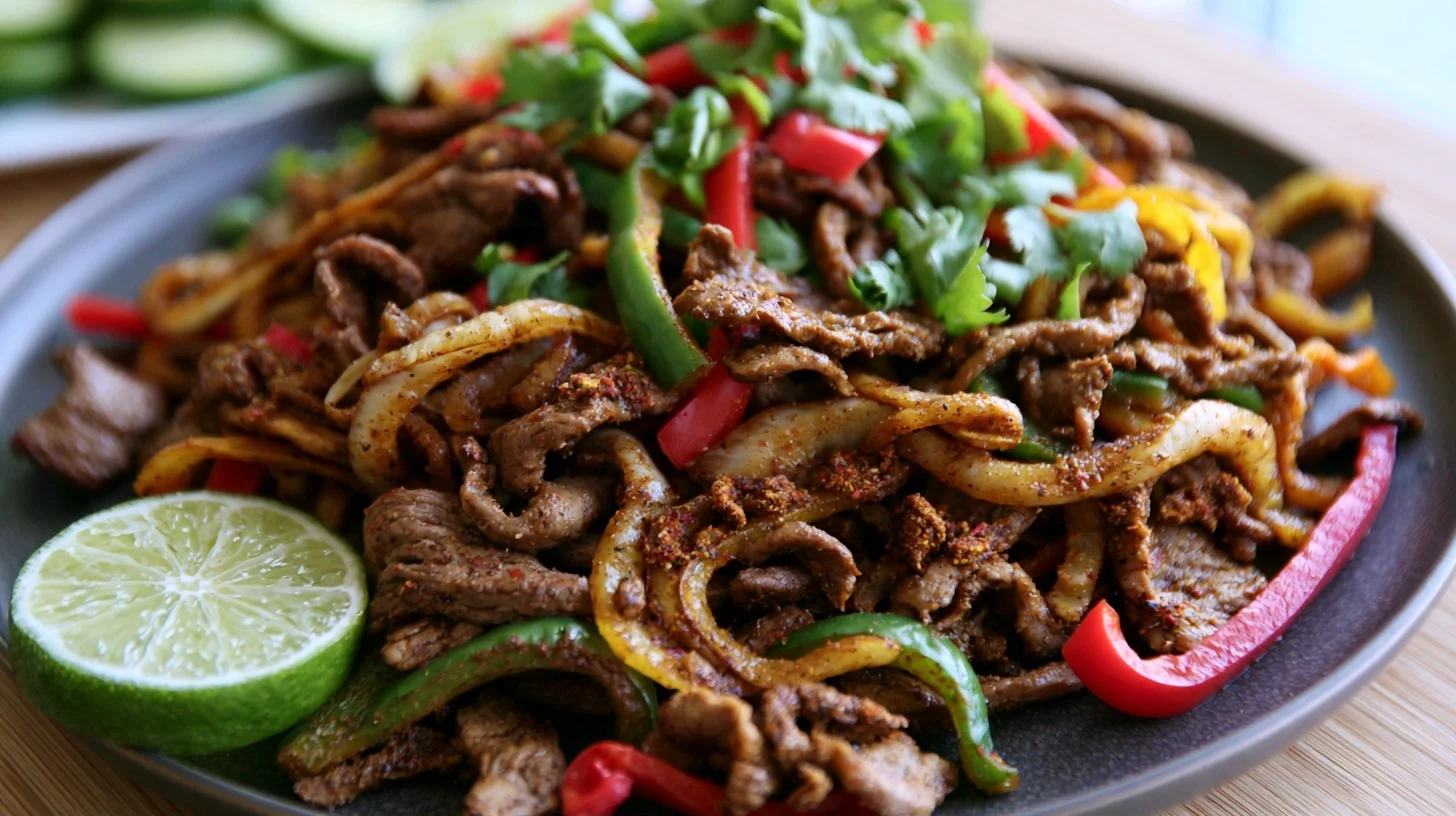
Table of contents
- Why You Will Love This Fajita Seasoning Recipe
- What You Will Need to Make This Fajita Seasoning
- How to Make the Best Fajita Seasoning Recipe at Home
- The Secret Ratio That Makes This Fajita Seasoning Recipe Restaurant-Quality
- Mistakes to Avoid When Making Fajita Seasoning Recipe
- Creative Ways to Use Your Fajita Seasoning Recipe
- Nutrition Information for Homemade Fajita Seasoning
- Delicious Ways to Serve Your Seasoned Fajitas
- Storing Your Homemade Fajita Seasoning for Maximum Freshness
- Frequently Asked Questions about Fajita Seasoning Recipe
Why You Will Love This Fajita Seasoning Recipe
- This homemade blend delivers bold, smoky flavor without any artificial additives or preservatives found in store-bought packets.
- You can customize the heat level and salt content to match your family’s preferences perfectly.
- It takes just five minutes to mix and costs a fraction of pre-packaged seasoning mixes.
- This versatile blend works beautifully on chicken, beef, shrimp, vegetables, and even roasted potatoes.
What You Will Need to Make This Fajita Seasoning
I love how simple this recipe is. You don’t need any special equipment, just a few basic kitchen tools you probably already have. The key is having a good mixing bowl and an airtight container for storage.
- Small mixing bowl: A glass or ceramic bowl works best for combining spices without any metallic taste transfer.
- Measuring spoons: Accurate measurements ensure consistent flavor every time you make this blend.
- Whisk or fork: Essential for breaking up any clumps and evenly distributing all the spices throughout the mixture.
- Airtight glass jar or spice container: Proper storage keeps the blend fresh and aromatic for up to six months.
- Small funnel (optional): Makes transferring the finished seasoning into narrow-mouth jars much easier and cleaner.
How to Make the Best Fajita Seasoning Recipe at Home
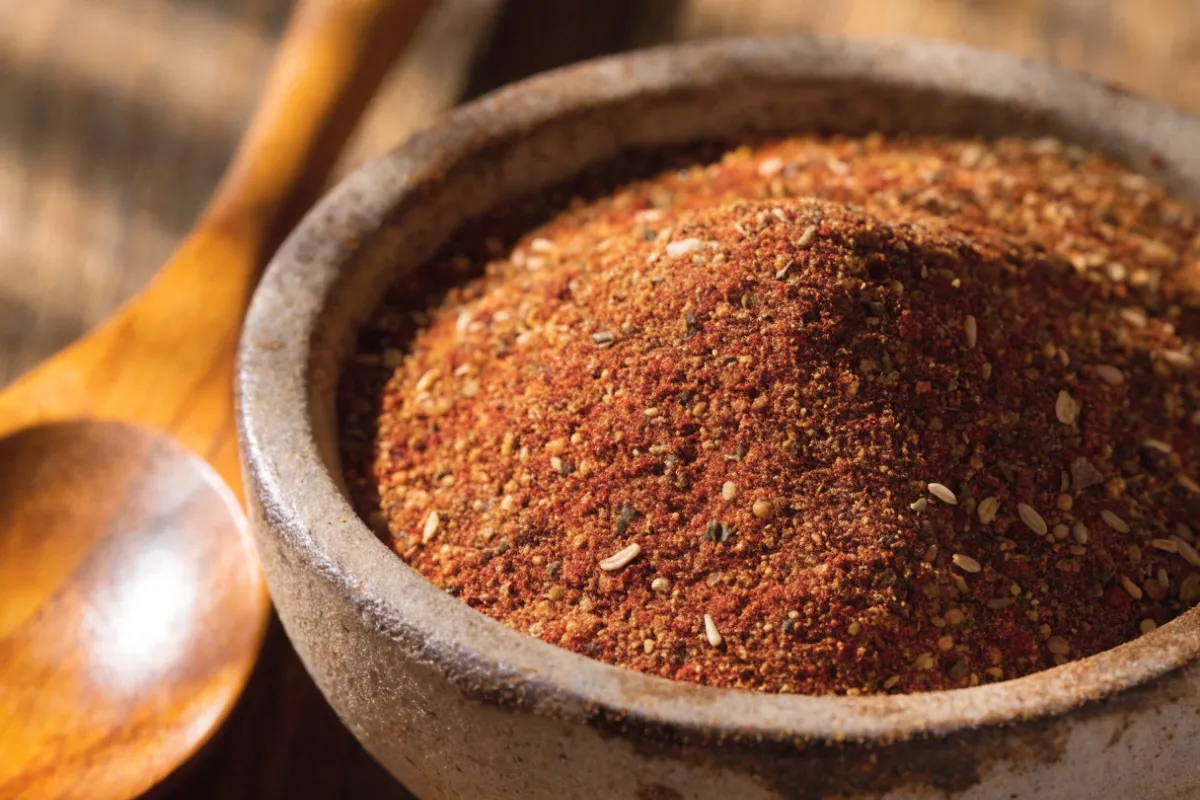
Homemade Fajita Seasoning
4
servings30
minutes40
minutes300
kcalThis bold homemade fajita seasoning takes just five minutes to mix and delivers restaurant-quality flavor without any fillers or preservatives. The secret is balancing smoky paprika with bright citrus notes and customizable heat. Use it on chicken, beef, shrimp, or vegetables for authentic Tex-Mex meals any night of the week.
Keep the screen of your device on
Ingredients
2 tablespoons smoked paprika
1 tablespoon ground cumin
1 tablespoon chili powder
2 teaspoons garlic powder
2 teaspoons onion powder
1 teaspoon dried oregano
1 teaspoon sea salt
0.5 teaspoon black pepper
0.5 teaspoon cayenne pepper
0.25 teaspoon ground coriander
Directions
- Combine all the spices in a small mixing bowl. This includes smoked paprika, cumin, chili powder, garlic powder, onion powder, oregano, salt, black pepper, cayenne, and coriander. Gathering everything first ensures you don’t miss any ingredients.
- Whisk the mixture vigorously for 30 seconds using a small whisk or fork. This step breaks up any clumps and distributes the spices evenly throughout the blend. Proper mixing ensures consistent flavor in every pinch.
- Taste a tiny pinch of the seasoning blend to check the salt and heat levels. If you prefer more heat, add an extra quarter teaspoon of cayenne pepper. If it’s too spicy, add another half teaspoon of paprika to mellow it out.
- Transfer the finished seasoning to an airtight glass jar or spice container using a small funnel if needed. Label the jar with the date so you know when you made it. This keeps your pantry organized and ensures freshness.
- Store the jar in a cool, dark pantry or drawer away from heat and light. The seasoning will stay fresh and aromatic for up to six months. Use it on chicken, beef, shrimp, or vegetables for instant Tex-Mex flavor.
Notes
- The ideal ratio of smoked paprika to cumin is 2:1, which creates the perfect balance of smoky depth and earthy warmth without overwhelming the other spices.
- Always use fresh spices that are less than six months old for the brightest, most vibrant flavor. Old spices taste flat and dull.
- Start with half the cayenne pepper if you’re sensitive to heat. You can always add more spice, but you can’t take it away once mixed.
- This recipe makes about three-quarters of a cup of seasoning, enough for approximately six pounds of meat or vegetables.
Nutrition Facts
- Serving Size: 1g
- Total number of serves: 12
- Calories: 15kcal
- Fat: 1g
- Carbohydrates: 3g
- Fiber: 1g
- Protein: 1g
Did you make this recipe?
Tag @therecipemasterblog on Instagram and hashtag it with #therecipemaster
Like this recipe?
Follow @therecipemasterblog on Pinterest
Follow us on Facebook!
Follow The Recipe Master on Facebook
The Secret Ratio That Makes This Fajita Seasoning Recipe Restaurant-Quality
Through extensive testing, I discovered that the magic lies in getting your spice proportions just right. These tips will help you create a blend that rivals any restaurant or store-bought version.
Balance Smoky and Bright Flavors
The ideal ratio of smoked paprika to cumin is 2:1, which creates depth without overwhelming the other spices. I found this balance gives you that signature smoky flavor while letting the garlic and onion notes shine through. Add a pinch of oregano for an authentic Tex-Mex profile.
Control the Heat Level
Start with half the cayenne pepper listed if you’re sensitive to spice. You can always add more heat, but you can’t take it away. I recommend tasting a tiny pinch of the blend before storing it. For families with kids, reduce cayenne to one-eighth teaspoon or omit it entirely.
Use Fresh Spices for Maximum Flavor
Spices lose potency after six months. Check your pantry dates before mixing. I replace my paprika and cumin every few months because they fade faster than other spices. Fresh spices deliver brighter, more vibrant flavor that makes a noticeable difference. Learn more about the history and origin of fajitas to understand why these spices matter so much.
Mix Thoroughly to Avoid Clumps
Whisk the spices for at least 30 seconds. This ensures even distribution so every pinch tastes the same. I sometimes sift the mixture through a fine-mesh strainer to break up stubborn clumps. This extra step creates a professional-looking, uniform blend.
Store in a Cool, Dark Place
Heat and light degrade spices quickly. Keep your jar away from the stove and out of direct sunlight. I store mine in a drawer or pantry cabinet. Proper storage extends the shelf life and preserves the bold, smoky aroma.
Mistakes to Avoid When Making Fajita Seasoning Recipe
Even though this recipe is simple, a few common pitfalls can affect the final flavor. Here’s what I’ve learned to watch out for after making countless batches.
Using Old or Stale Spices
Expired spices taste flat and dusty. If your paprika has no aroma when you open the jar, it’s past its prime. I always smell my spices before mixing. Replace any that lack fragrance for the best results.
Adding Too Much Salt
Many home cooks over-salt their seasoning blend, making it impossible to adjust later. I recommend starting with one teaspoon of salt, then tasting your finished dish before adding more. This approach gives you flexibility when cooking different proteins.
Skipping the Whisk Step
Simply stirring with a spoon leaves clumps and uneven distribution. I fix this by whisking vigorously for 30 seconds. This small step ensures every pinch delivers consistent flavor and prevents pockets of cayenne or cumin.
Storing in a Plastic Container
Plastic absorbs odors and can impart off-flavors to your spice blend. I always use glass jars with tight-fitting lids. This keeps the seasoning fresh and prevents moisture from clumping the spices together.
Creative Ways to Use Your Fajita Seasoning Recipe
This versatile blend goes far beyond traditional fajitas. I use it in dozens of ways throughout the week, and it never gets boring. Here are my favorite variations and applications.
Chicken Fajita Seasoning
Rub two tablespoons of seasoning onto one pound of sliced chicken breast. Let it marinate for 15 minutes before cooking. The blend penetrates the meat beautifully and creates a slightly charred crust when grilled. This is my go-to weeknight dinner.
Beef Fajita Variation
For flank steak or skirt steak, use three tablespoons of seasoning per pound. The robust spices stand up to the rich beef flavor perfectly. I add a squeeze of lime juice to the marinade for extra brightness. Cook over high heat for the best caramelization.
Shrimp and Seafood
Toss one pound of peeled shrimp with one tablespoon of seasoning and a drizzle of olive oil. Cook for just two minutes per side. The spices complement the sweet shrimp without overpowering it. This works equally well with white fish or scallops.
Vegetarian Fajita Bowls
Season sliced bell peppers, onions, zucchini, and mushrooms with two tablespoons of the blend. Roast at 425°F for 20 minutes. The vegetables caramelize beautifully and develop deep, smoky flavor. Serve over rice or quinoa for a complete meal.
Beyond Fajitas
I sprinkle this seasoning on roasted potatoes, popcorn, and even scrambled eggs. It adds instant Tex-Mex flair to soups, chili, and grain bowls. For a completely different take on seasoned proteins, try this chicken taco seasoning recipe which offers a slightly different spice profile.
Nutrition Information for Homemade Fajita Seasoning
One serving of this fajita seasoning recipe contains approximately 15 calories. Most of those calories come from the natural oils in the spices. Each tablespoon provides less than one gram of fat and about three grams of carbohydrates, primarily from the spices themselves.
The sodium content depends entirely on how much salt you add. I use one teaspoon of salt in the entire batch, which divides into about 200 milligrams per tablespoon. You can reduce or eliminate the salt if you’re watching your sodium intake. The spices themselves contribute beneficial antioxidants, especially from the paprika and cumin.
Delicious Ways to Serve Your Seasoned Fajitas
Once you’ve seasoned and cooked your protein and vegetables, the fun part begins. I love setting up a fajita bar with warm flour tortillas, fresh cilantro, diced tomatoes, shredded cheese, sour cream, and guacamole. Let everyone build their own fajitas exactly how they like them. This interactive approach makes dinner feel special and accommodates different taste preferences.
For a lighter option, skip the tortillas and serve your seasoned fajita mixture over crisp romaine lettuce as a taco salad. Add black beans, corn, and a drizzle of lime crema for a complete meal. I also love serving fajitas with Mexican rice, refried beans, and a simple cabbage slaw. The contrast of hot, smoky meat with cool, crunchy toppings creates the perfect balance.
Storing Your Homemade Fajita Seasoning for Maximum Freshness
Transfer your finished fajita seasoning to an airtight glass jar or spice container immediately after mixing. Store it in a cool, dark pantry or drawer away from heat sources like the stove or oven. Properly stored, this blend stays fresh and aromatic for up to six months.
I label my jar with the date I made it so I know when to mix a fresh batch. If you notice the color fading or the aroma weakening, it’s time to make a new batch. For the best flavor, I recommend making smaller batches more frequently rather than storing large quantities for extended periods. The spices stay more vibrant that way.
Frequently Asked Questions about Fajita Seasoning Recipe
Yes, you can substitute regular paprika, but the seasoning will lack the signature smoky depth that defines authentic fajita flavor. For the best results, use smoked paprika or add a pinch of chipotle powder to regular paprika.
Use two to three tablespoons of fajita seasoning per pound of chicken or beef. Start with two tablespoons, taste, and adjust based on your preference for bold or mild flavor. Shrimp needs only one tablespoon per pound since it absorbs seasoning quickly.
Yes, this homemade fajita seasoning is naturally gluten-free when made with pure spices. Always check your spice labels to ensure no fillers or anti-caking agents containing gluten have been added by the manufacturer.
Homemade fajita seasoning stays fresh for up to six months when stored in an airtight glass container in a cool, dark place. The flavor will be most vibrant in the first three months, then gradually fade as the spices lose potency.




Leave a Reply