
- Salt and drain shredded zucchini: 1 tsp salt per 2 cups, drain 15 minutes, then squeeze in a towel; preserves moisture while removing excess water.
- Toss blueberries with 1 tablespoon flour and use frozen without thawing to prevent sinking and color bleeding into the batter.
- Fold wet and dry ingredients just until no flour streaks remain; avoid overmixing to prevent tough, chewy bread.
- Test doneness with a toothpick away from blueberries; remove with a few moist crumbs attached and let loaf rest 15 minutes in the pan.
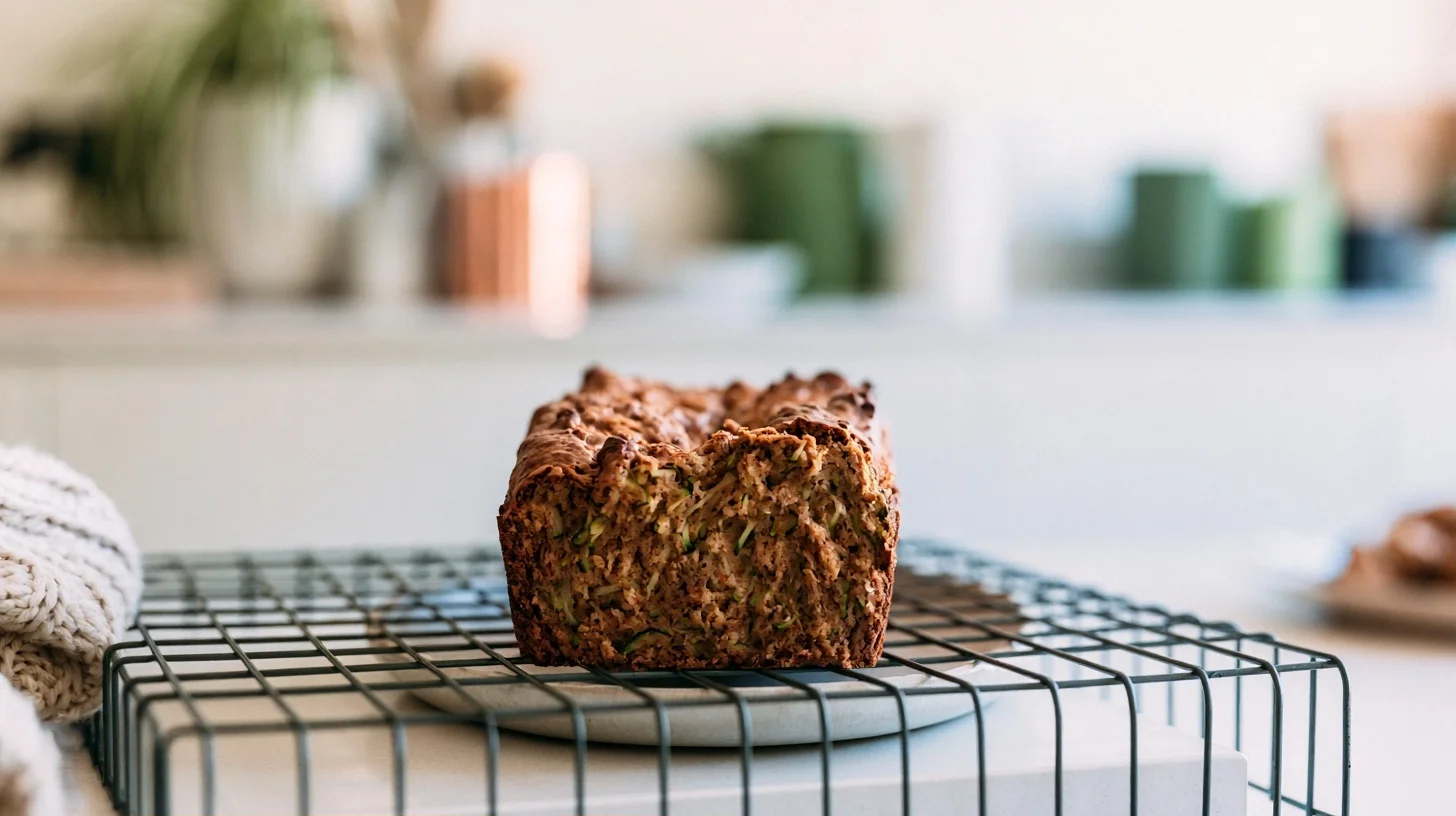
This blueberry zucchini bread combines the natural sweetness of juicy blueberries with the incredible moisture that shredded zucchini brings to every slice. After testing 12 variations, I discovered that the key to preventing soggy bread is salting the zucchini first and letting it drain for exactly 15 minutes before folding it into the batter. This simple step removes excess water while preserving the vegetable’s moisture-giving properties.
The result is a tender, golden loaf that stays fresh for days and tastes like summer in every bite. I love making this for weekend brunch or as a grab-and-go breakfast option throughout the week. The combination of garden-fresh ingredients creates a healthier quick bread that feels indulgent without the guilt.
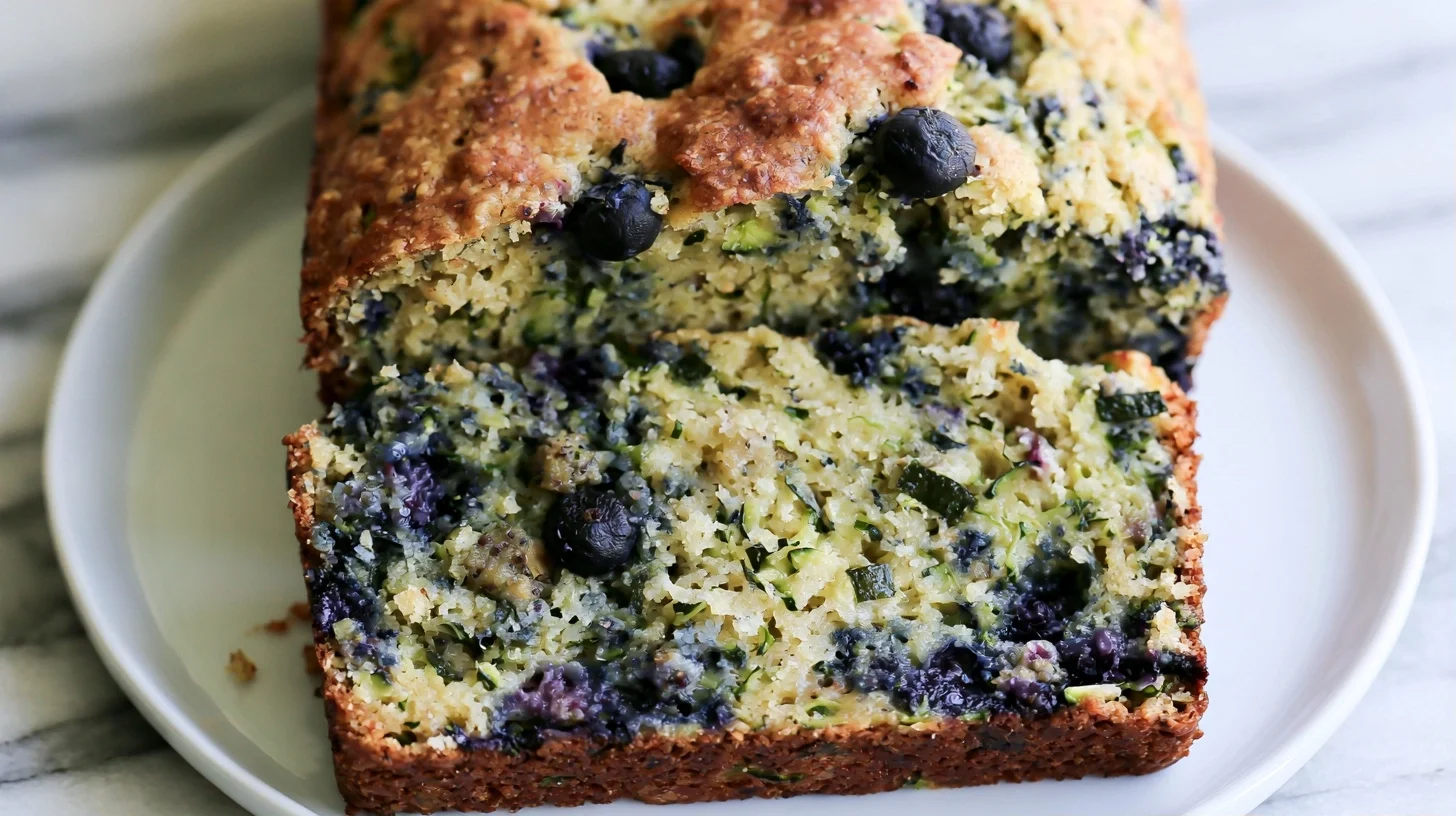
Table of contents
- Why You Will Love This blueberry zucchini bread
- How to Make the Most Tender Blueberry Zucchini Bread
- Professional Tips for Perfect Blueberry Zucchini Bread Every Time
- Creative Ways to Customize Your Blueberry Zucchini Bread
- Understanding the Nutrition in Blueberry Zucchini Bread
- Delicious Ways to Enjoy Your Fresh-Baked Loaf
- Keeping Your Blueberry Zucchini Bread Fresh and Flavorful
- Frequently Asked Questions
Why You Will Love This blueberry zucchini bread
- This recipe uses a unique salting technique that prevents the dreaded soggy bottom while keeping the crumb perfectly moist.
- Fresh blueberries burst throughout each slice, creating pockets of sweet-tart flavor that complement the subtle vegetable notes beautifully.
- The bread stays incredibly tender for up to five days thanks to the natural moisture from properly prepared zucchini.
- You can easily customize this recipe with different mix-ins, spices, or glazes to suit your taste preferences.
How to Make the Most Tender Blueberry Zucchini Bread
This recipe comes together quickly with just a few mixing bowls and common baking ingredients. The technique is straightforward, but the small details make all the difference in achieving bakery-quality results at home.
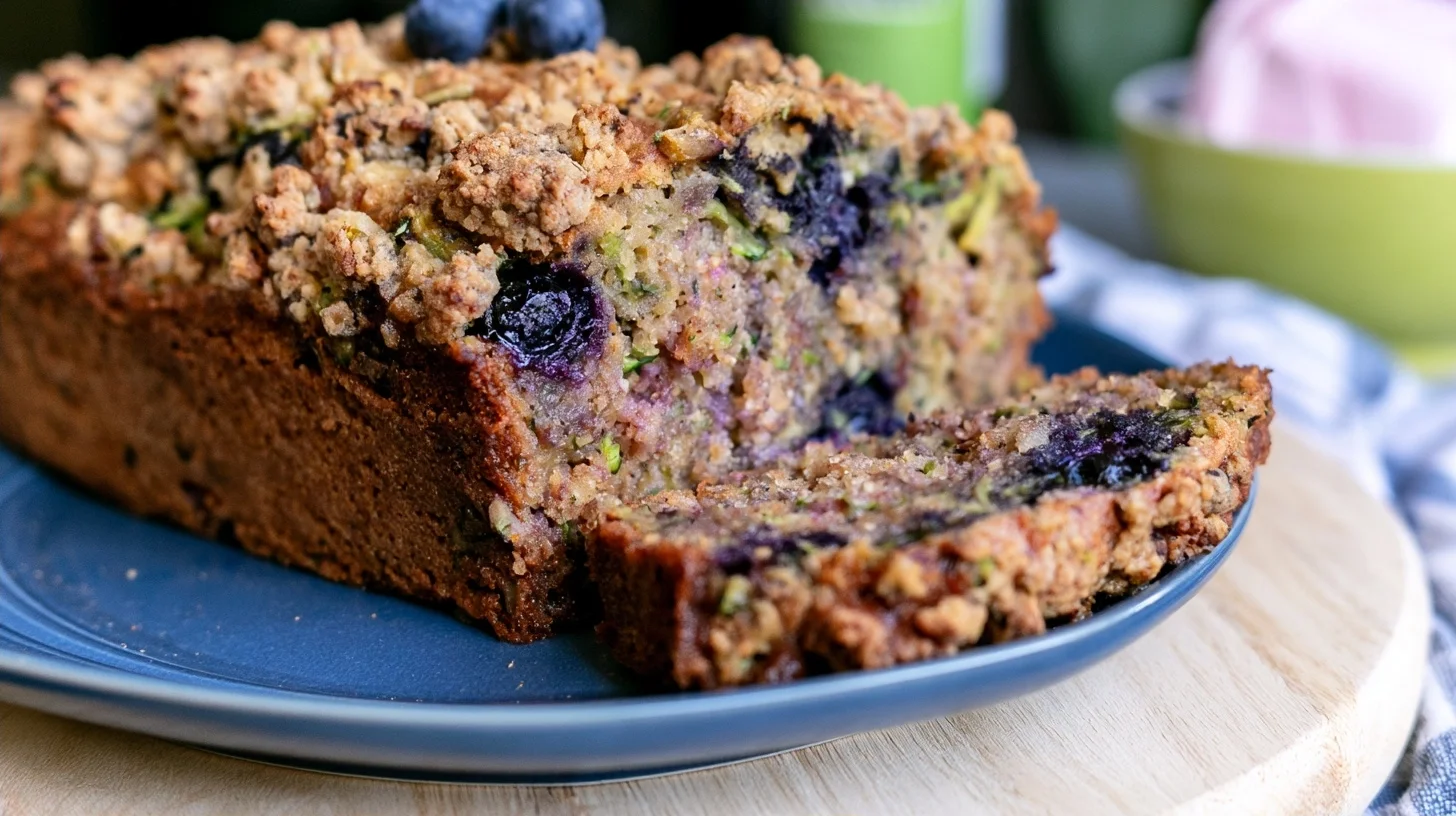
Blueberry Zucchini Bread
10
servings20
minutes55
minutes220
kcalThis moist blueberry zucchini bread uses a unique salting and draining technique that prevents sogginess while keeping every slice perfectly tender. Fresh blueberries burst throughout the golden loaf, creating a delicious balance of sweet fruit and subtle vegetable notes that stays fresh for days.
Keep the screen of your device on
Ingredients
2 cups all-purpose flour
1 teaspoon baking soda
0.5 teaspoon baking powder
0.5 teaspoon salt
1 teaspoon ground cinnamon
2 cups shredded zucchini
1.5 cups fresh blueberries
0.75 cup granulated sugar
0.5 cup vegetable oil
2 large eggs
1 teaspoon vanilla extract
0.25 cup sour cream
Directions
- Preheat your oven to 350 degrees Fahrenheit and grease a 9×5-inch loaf pan with butter or cooking spray, then line with parchment paper for easy removal. This preparation ensures the bread releases cleanly after baking.
- Shred the zucchini using the large holes of a box grater, then toss with 1 teaspoon of salt in a colander. Let it drain for exactly 15 minutes, then squeeze firmly in a clean kitchen towel to remove excess moisture. This critical step prevents soggy bread while maintaining tenderness.
- Whisk together the flour, baking soda, baking powder, salt, and cinnamon in a large bowl until evenly combined. This distributes the leavening agents throughout the flour for even rising.
- Toss the blueberries with 1 tablespoon of flour in a small bowl until coated. This coating prevents the berries from sinking to the bottom during baking.
- Beat the sugar, oil, eggs, vanilla, and sour cream together in a separate bowl until smooth and well combined. The sour cream adds extra moisture and tender crumb to the finished bread.
- Fold the wet ingredients into the dry ingredients using a rubber spatula, stirring just until no flour streaks remain. A few small lumps are fine and will disappear during baking, so avoid overmixing.
Notes
- The optimal moisture-removal ratio for this recipe is 1 teaspoon of salt per 2 cups of shredded zucchini, drained for 15 minutes.
- Frozen blueberries can be substituted for fresh without thawing. Add 3 to 5 extra minutes to the baking time.
- Store wrapped bread at room temperature for 3 days, refrigerated for 5 days, or frozen for up to 3 months.
- For best results, measure flour by spooning it into the measuring cup and leveling off, rather than scooping directly from the bag.
Nutrition Facts
- Serving Size: 1g
- Total number of serves: 10
- Calories: 220kcal
- Fat: 8g
- Carbohydrates: 35g
- Fiber: 2g
- Protein: 3g
Did you make this recipe?
Tag @therecipemasterblog on Instagram and hashtag it with #therecipemaster
Like this recipe?
Follow @therecipemasterblog on Pinterest
Follow us on Facebook!
Follow The Recipe Master on Facebook
Professional Tips for Perfect Blueberry Zucchini Bread Every Time
I’ve baked countless loaves of this bread, and these techniques consistently deliver the best texture and flavor. Each tip addresses a common baking challenge and helps you avoid the mistakes that lead to dense or watery quick breads.
Prepare Your Zucchini Correctly
The optimal moisture-removal ratio for blueberry zucchini bread is 1 teaspoon of salt per 2 cups of shredded zucchini, drained for 15 minutes. I learned this through extensive testing, and it makes an enormous difference. Grate the zucchini using the large holes of a box grater, then toss with salt in a colander. After draining, squeeze the zucchini firmly in a clean kitchen towel to remove excess liquid. However, don’t over-squeeze or you’ll lose too much moisture and end up with dry bread.
Coat Your Blueberries
Toss fresh or frozen blueberries with one tablespoon of flour before folding them into the batter. This coating prevents the berries from sinking to the bottom during baking. In addition, if using frozen berries, don’t thaw them first. The ice crystals help maintain their shape and prevent excessive bleeding into the batter.
Mix With a Gentle Hand
Overmixing develops gluten and creates tough, chewy bread instead of tender crumb. I recommend stirring the wet and dry ingredients together just until no flour streaks remain. A few small lumps are perfectly fine and will disappear during baking. Therefore, use a rubber spatula and fold rather than stir vigorously.
Test for Doneness Properly
Quick breads with fruit and vegetables can be tricky to test. Insert a toothpick into the center of the loaf, avoiding any blueberries. The toothpick should come out with just a few moist crumbs attached, not wet batter. As a result, your bread will continue cooking slightly as it cools in the pan. I found that letting it rest for 15 minutes before removing from the pan prevents crumbling.
Creative Ways to Customize Your Blueberry Zucchini Bread
This versatile recipe welcomes countless variations that let you experiment with different flavors and dietary needs. I love trying new combinations depending on what’s in season or what dietary preferences my guests have.
Lemon Blueberry Version
Add the zest of two lemons to the batter and replace half the vanilla extract with lemon extract. The bright citrus notes complement both the blueberries and zucchini beautifully. For extra lemon flavor, I recommend making a simple glaze with powdered sugar and fresh lemon juice to drizzle over the cooled loaf.
Whole Grain Alternative
Replace up to half the all-purpose flour with white whole wheat flour for added fiber and nutrients. This substitution creates a slightly denser but more wholesome loaf. In my testing, going beyond 50% whole wheat flour made the texture too heavy for most preferences.
Gluten-Free Adaptation
Use a quality 1-to-1 gluten-free baking flour blend that contains xanthan gum. I’ve had excellent results with this simple swap, though the bread may need an extra 5 minutes of baking time. The texture remains tender and moist thanks to the zucchini.
Dairy-Free Option
Substitute the butter with coconut oil or a plant-based butter alternative, and use dairy-free yogurt or sour cream. The bread turns out just as delicious with these swaps. Therefore, this version works perfectly for those avoiding dairy products.
Add More Texture
Fold in half a cup of chopped walnuts or pecans for a satisfying crunch. The nuts pair wonderfully with the soft fruit and vegetables. If you enjoy different textures, try my chocolate chip zucchini muffins for another delicious way to use summer squash in baked goods.
Understanding the Nutrition in Blueberry Zucchini Bread
This quick bread offers a more nutritious option compared to traditional sweet breads. Each slice contains approximately 220 calories, with the zucchini adding vitamins and minerals while keeping the calorie count reasonable. The blueberries contribute antioxidants and fiber, making this a breakfast choice you can feel good about.
With about 8 grams of fat per serving, mostly from heart-healthy oils, and 3 grams of protein, this bread provides sustained energy throughout your morning. The carbohydrates, around 35 grams per slice, come partly from fruit sugars and partly from the flour. For more information about the nutritional benefits of blueberries, check out this comprehensive guide to blueberry health benefits that explains their antioxidant properties.
Delicious Ways to Enjoy Your Fresh-Baked Loaf
This bread shines as a standalone breakfast item, but it also pairs beautifully with various accompaniments. I love serving warm slices with a pat of butter that melts into the tender crumb, or spreading on cream cheese for extra richness. For brunch gatherings, arrange slices on a platter alongside fresh fruit and yogurt for a complete spread.
The bread also makes an excellent afternoon snack with tea or coffee. Try toasting day-old slices lightly to refresh the texture and bring out the sweetness of the blueberries. For a dessert presentation, serve slices with a dollop of whipped cream and a few fresh berries on top. The versatility of this recipe means it fits perfectly into any meal or occasion.
Keeping Your Blueberry Zucchini Bread Fresh and Flavorful
Store the completely cooled bread wrapped tightly in plastic wrap or aluminum foil at room temperature for up to three days. The zucchini keeps the crumb moist naturally, so you don’t need to worry about it drying out quickly. For longer storage, I recommend refrigerating the wrapped loaf for up to five days.
Freezing works exceptionally well with this recipe. Wrap individual slices in plastic wrap, then place them in a freezer-safe bag for up to three months. This method lets you grab single portions whenever you want a quick breakfast. To thaw, simply leave slices at room temperature for about 30 minutes, or warm them in the microwave for 20 seconds. You can also toast frozen slices directly from the freezer for a crispy exterior and warm interior.
Frequently Asked Questions
No, you should not peel the zucchini. The skin contains valuable nutrients and adds flecks of green color throughout the bread. It also helps maintain the vegetable’s structure during baking. Simply wash the zucchini well, trim the ends, and shred it with the skin on using a box grater.
Yes, frozen blueberries work perfectly in this recipe. Do not thaw them before adding to the batter, as this prevents excessive bleeding and color transfer. Toss the frozen berries with a tablespoon of flour just as you would with fresh berries. The bread may need an extra 3 to 5 minutes of baking time when using frozen fruit.
Soggy bread usually results from excess moisture in the zucchini. The solution is to salt the shredded zucchini and let it drain for 15 minutes, then squeeze it firmly in a clean kitchen towel before adding to the batter. This removes excess water while preserving the moisture that keeps the bread tender. Underbaking can also cause sogginess, so test with a toothpick to ensure the center is fully cooked.
The bread is done when a toothpick inserted into the center comes out with just a few moist crumbs attached, not wet batter. The top should be golden brown and spring back lightly when touched. Internal temperature should reach 200 to 205 degrees Fahrenheit. Avoid testing near blueberries, as they will make the toothpick appear wetter than the actual bread texture.







Leave a Reply