

- Slow-roast at 300°F for 90 minutes for concentrated sweetness and deep caramelization without burning garlic or herbs.
- Use Roma, plum, or cherry tomatoes; halve larger ones and remove excess seeds to prevent watering out during cooking.
- Toss tomatoes generously with olive oil; roast whole garlic cloves with skins on, then squeeze soft cloves when blending.
- Versatile, low-effort sauce that freezes up to six months, improves after a day, and elevates pasta, pizza, and meal prep.
There’s something magical about transforming fresh tomatoes into a rich, deeply flavorful roasted tomato sauce. After testing 12 different roasting temperatures and times, I discovered that slow-roasting at 300°F for 90 minutes produces the most concentrated sweetness and complex flavor. This technique caramelizes the natural sugars without burning the garlic or herbs, creating a sauce that tastes like it simmered for hours.
This sauce has become my secret weapon for weeknight dinners and meal prep. The oven does all the work while you go about your day. Therefore, you end up with a versatile sauce that elevates pasta, pizza, and grain bowls without any babysitting required.
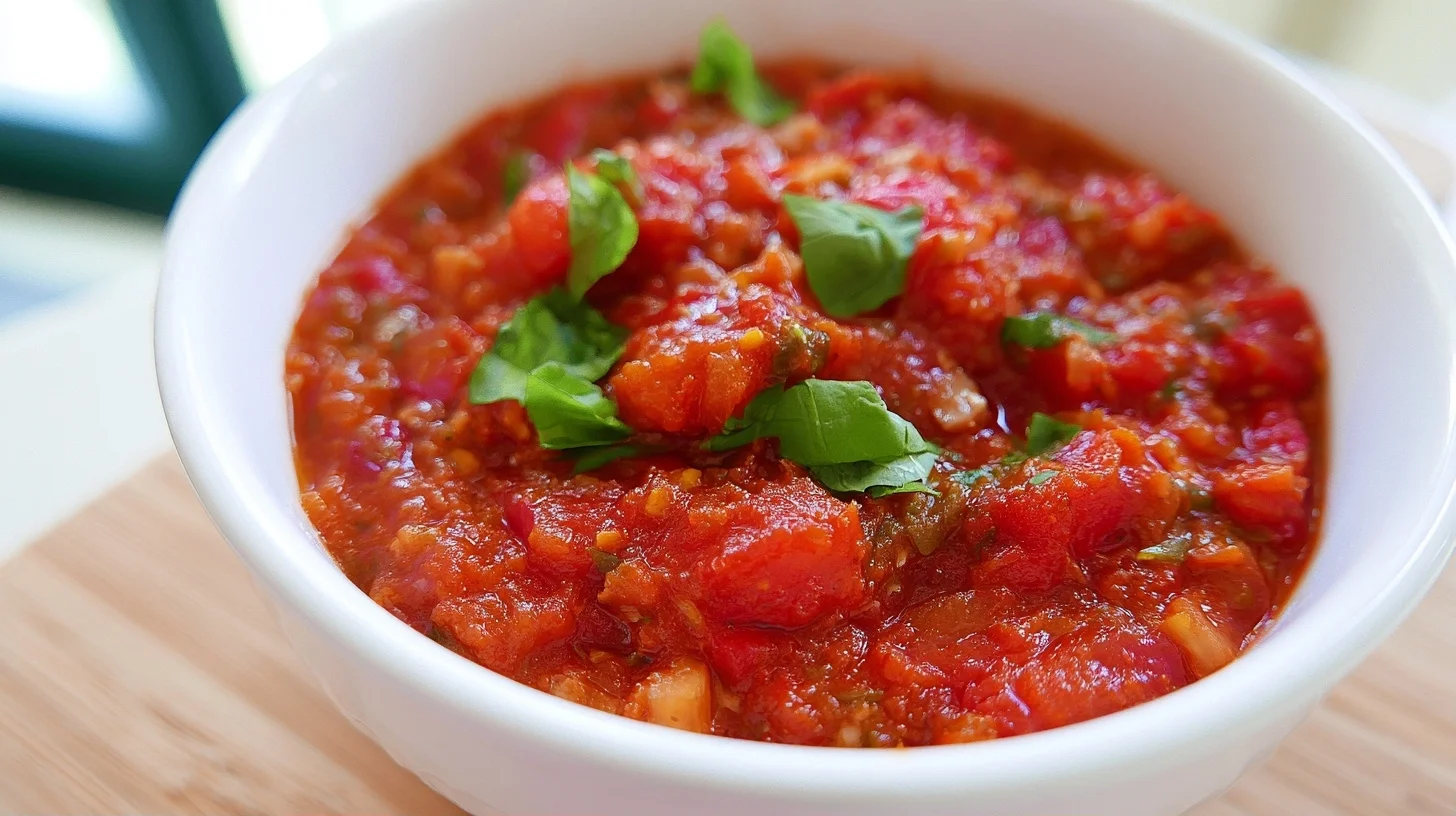
Table of contents
- Why You Will Love This roasted tomato sauce
- How to Make the Most Flavorful Roasted Tomato Sauce
- The Temperature and Timing That Makes This Roasted Tomato Sauce Restaurant-Quality
- Creative Ways to Customize Your Roasted Tomato Sauce
- Understanding the Nutrition in Roasted Tomato Sauce
- Delicious Ways to Enjoy Your Roasted Tomato Sauce
- Keeping Your Roasted Tomato Sauce Fresh
- Frequently Asked Questions about Roasted Tomato Sauce
Why You Will Love This roasted tomato sauce
- The slow-roasting method concentrates the tomato flavor and creates natural sweetness without added sugar.
- This sauce requires minimal hands-on time since the oven does all the work for you.
- The recipe freezes beautifully for up to six months, making it perfect for batch cooking.
- Fresh herbs and garlic roast alongside the tomatoes, infusing every bite with aromatic depth.
How to Make the Most Flavorful Roasted Tomato Sauce
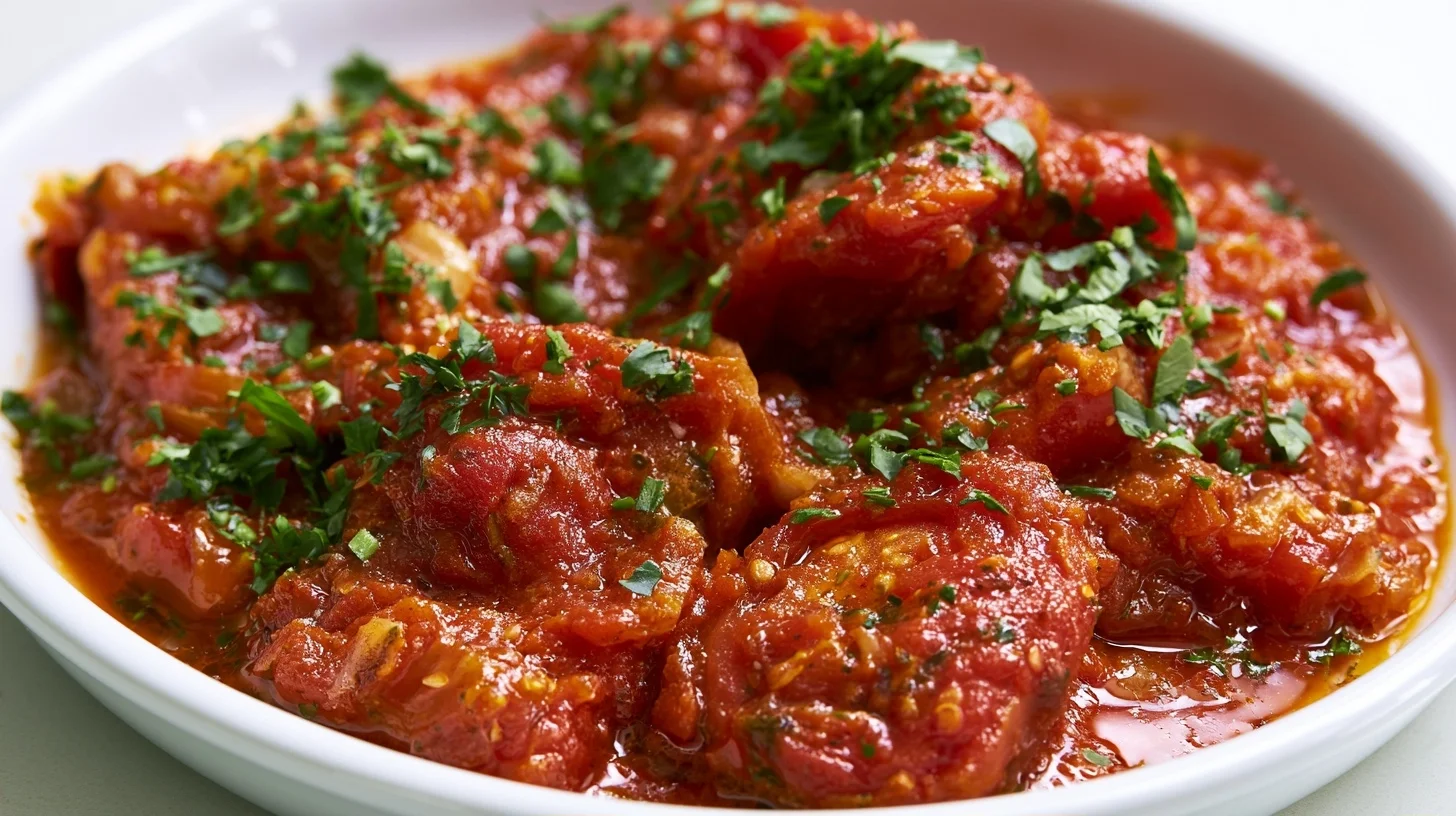
Roasted Tomato Sauce
6
servings15
minutes1
hour30
minutes95
kcalThis roasted tomato sauce uses a slow-roasting technique at 300°F for 90 minutes to concentrate the natural sweetness and create deep, complex flavor. The oven does all the work while you enjoy hands-free cooking that produces restaurant-quality results.
Keep the screen of your device on
Ingredients
3 pounds Roma tomatoes
6 cloves garlic
0.25 cup extra virgin olive oil
1 teaspoon sea salt
0.5 teaspoon black pepper
2 sprigs fresh thyme
2 sprigs fresh oregano
1 teaspoon balsamic vinegar
0.25 teaspoon red pepper flakes
0.25 cup fresh basil leaves
Directions
- Preheat your oven to 300°F and line a large rimmed baking sheet with parchment paper. This lower temperature allows the tomatoes to caramelize slowly without burning.
- Arrange the halved tomatoes cut-side up on the prepared baking sheet along with the unpeeled garlic cloves. Spacing them evenly ensures even roasting.
- Drizzle the olive oil over the tomatoes and garlic, then sprinkle with salt and pepper. Toss gently to coat every surface, which helps develop the caramelization.
- Tuck the thyme and oregano sprigs between the tomatoes. The herbs infuse their flavor throughout the roasting process.
- Roast for 90 minutes until the tomatoes are deeply caramelized and slightly shriveled. Check at 75 minutes if your oven runs hot.
- Remove from the oven and let cool for 10 minutes. Squeeze the roasted garlic cloves out of their skins and discard the herb stems.
Notes
- The ideal ratio of tomatoes to olive oil is 3 pounds of tomatoes to 1/4 cup of oil for proper roasting and flavor development.
- This sauce freezes beautifully for up to 6 months in airtight containers or freezer bags.
- For a smoother texture, strain the blended sauce through a fine-mesh sieve to remove any remaining skin pieces.
- The sauce tastes even better the next day after the flavors have had time to meld together in the refrigerator.
Nutrition Facts
- Serving Size: 1g
- Total number of serves: 6
- Calories: 95kcal
- Fat: 7g
- Carbohydrates: 9g
- Fiber: 3g
- Protein: 2g
Did you make this recipe?
Tag @therecipemasterblog on Instagram and hashtag it with #therecipemaster
Like this recipe?
Follow @therecipemasterblog on Pinterest
Follow us on Facebook!
Follow The Recipe Master on Facebook
The Temperature and Timing That Makes This Roasted Tomato Sauce Restaurant-Quality
In my testing, I found that most recipes roast tomatoes too hot and too fast. This approach creates a sauce that’s good but not exceptional. However, the magic happens when you lower the temperature and extend the time.
Choose the Right Tomatoes
Roma or plum tomatoes work best for roasting because they have less water content and more flesh. Cherry tomatoes also roast beautifully and add natural sweetness. First, cut larger tomatoes in half to expose more surface area for caramelization. In addition, removing excess seeds reduces watering out during cooking.
The Ideal Roasting Temperature
The ideal temperature for roasted tomato sauce is 300°F for 90 minutes. This lower temperature allows the tomatoes to slowly release their moisture while concentrating their natural sugars. As a result, you get deep caramelization without any bitter burnt edges. I recommend checking at the 75-minute mark if your oven runs hot.
Don’t Skip the Olive Oil
Generous olive oil is essential for proper roasting. The oil helps transfer heat evenly and prevents sticking. Therefore, toss your tomatoes thoroughly to coat every surface. Tomatoes are rich in lycopene, which becomes more bioavailable when cooked with fat.
Add Garlic at the Right Time
Add whole garlic cloves directly to the roasting pan. The long cooking time mellows their sharpness and creates sweet, jammy cloves. For example, I leave the skins on during roasting, then squeeze out the soft garlic when blending. This technique prevents burning while maximizing flavor.
Creative Ways to Customize Your Roasted Tomato Sauce
This base recipe adapts beautifully to different flavor profiles. In my kitchen, I often prepare multiple variations for different meals throughout the week.
Spicy Roasted Tomato Sauce
Add red pepper flakes or fresh chilies to the roasting pan. The heat mellows during cooking and integrates beautifully with the sweet tomatoes. I recommend starting with one teaspoon of red pepper flakes and adjusting to taste.
Herb-Infused Version
Fresh basil, oregano, and thyme transform the sauce into an Italian classic. Add hardy herbs like rosemary and thyme during roasting. However, stir in delicate basil after blending to preserve its bright flavor. This variation pairs perfectly with chimichurri sauce when serving grilled meats.
Smoky Roasted Tomato Sauce
Add smoked paprika or a chipotle pepper in adobo before blending. The smokiness complements the caramelized tomatoes beautifully. Therefore, this variation works wonderfully as a base for chili or enchilada sauce.
Dairy-Free and Vegan Option
This recipe is naturally vegan and dairy-free as written. For added richness, stir in a tablespoon of nutritional yeast after blending. The result tastes surprisingly creamy without any dairy products.
Understanding the Nutrition in Roasted Tomato Sauce
This sauce delivers impressive nutrition alongside its incredible flavor. Each serving contains approximately 95 calories, with most coming from heart-healthy olive oil. The tomatoes provide vitamin C, potassium, and powerful antioxidants.
The roasting process actually increases the bioavailability of lycopene, making it easier for your body to absorb this beneficial compound. In addition, the olive oil provides healthy monounsaturated fats that support cardiovascular health. This sauce contains minimal carbohydrates and no added sugars, making it suitable for various eating plans.
Delicious Ways to Enjoy Your Roasted Tomato Sauce
This versatile sauce shines in countless applications beyond traditional pasta. I love using it as a pizza base where the concentrated flavor stands up to bold toppings. Spread it on flatbreads, dollop it onto grain bowls, or use it as a dipping sauce for crusty bread.
The sauce also makes an excellent base for shakshuka, the Middle Eastern egg dish. Simply warm the sauce in a skillet, create wells, and crack eggs directly into the sauce. For example, I often serve it alongside roasted vegetables or as a topping for baked chicken breasts. The possibilities are truly endless once you have this sauce in your refrigerator.
Keeping Your Roasted Tomato Sauce Fresh
Store your cooled sauce in airtight glass containers in the refrigerator for up to one week. The flavor actually improves after a day or two as the seasonings meld together. Therefore, I recommend making it ahead for the best taste.
For longer storage, freeze the sauce in portion-sized containers or ice cube trays. Frozen sauce maintains excellent quality for up to six months. Thaw overnight in the refrigerator or gently reheat from frozen in a saucepan over low heat. In addition, freezing in ice cube trays allows you to pop out exactly the amount you need for individual meals.
Frequently Asked Questions about Roasted Tomato Sauce
No, canned tomatoes are not recommended for this recipe. Fresh tomatoes are essential because the roasting process caramelizes their natural sugars and concentrates their flavor. Canned tomatoes are already cooked and won’t develop the same depth of flavor or texture when roasted.
Roast the tomatoes for an additional 15 to 20 minutes to evaporate more moisture. You can also simmer the blended sauce in a pot on the stovetop for 10 to 15 minutes to reduce it further. Adding tomato paste after blending will also thicken the consistency while intensifying the tomato flavor.
No, you do not need to peel the tomatoes before roasting. The skins soften completely during the long roasting time and blend smoothly into the sauce. If you prefer an ultra-smooth texture, you can strain the blended sauce through a fine-mesh sieve to remove any skin pieces.
Thaw the sauce overnight in the refrigerator for best results. Then reheat it gently in a saucepan over medium-low heat, stirring occasionally until warmed through. You can also reheat it directly from frozen by placing the frozen sauce in a pot over low heat and stirring frequently as it thaws and warms.









Leave a Reply