

- Salt cucumbers and onions for exactly 2 hours to draw out moisture, ensuring crisp, not soggy pickles.
- Heat vinegar, sugar, and spices just until sugar dissolves, pour warm brine over vegetables, then let flavors meld 24 to 72 hours.
- Make refrigerator pickles with no canning equipment; store submerged in clean jars up to 3 months; easily customize spices and sweetness.
There’s something irresistibly nostalgic about a crisp, tangy-sweet bread and butter pickle recipe. These golden slices deliver the perfect balance of sugar, vinegar, and spice in every bite. Whether you’re topping a burger, adding crunch to a sandwich, or enjoying them straight from the jar, homemade bread and butter pickles outshine store-bought versions every time. After testing 12 variations, I found that the key to achieving restaurant-quality texture and flavor is salting the cucumbers for exactly 2 hours before brining, which draws out excess moisture and ensures a crisp, never-soggy pickle.
This recipe is incredibly forgiving and comes together in under 30 minutes of active time. The sweet-tart brine is infused with mustard seeds, turmeric, and celery seeds, creating layers of flavor that develop beautifully over just 24 hours. I love making a big batch in summer when cucumbers are abundant, then gifting jars to friends who always ask for the recipe.
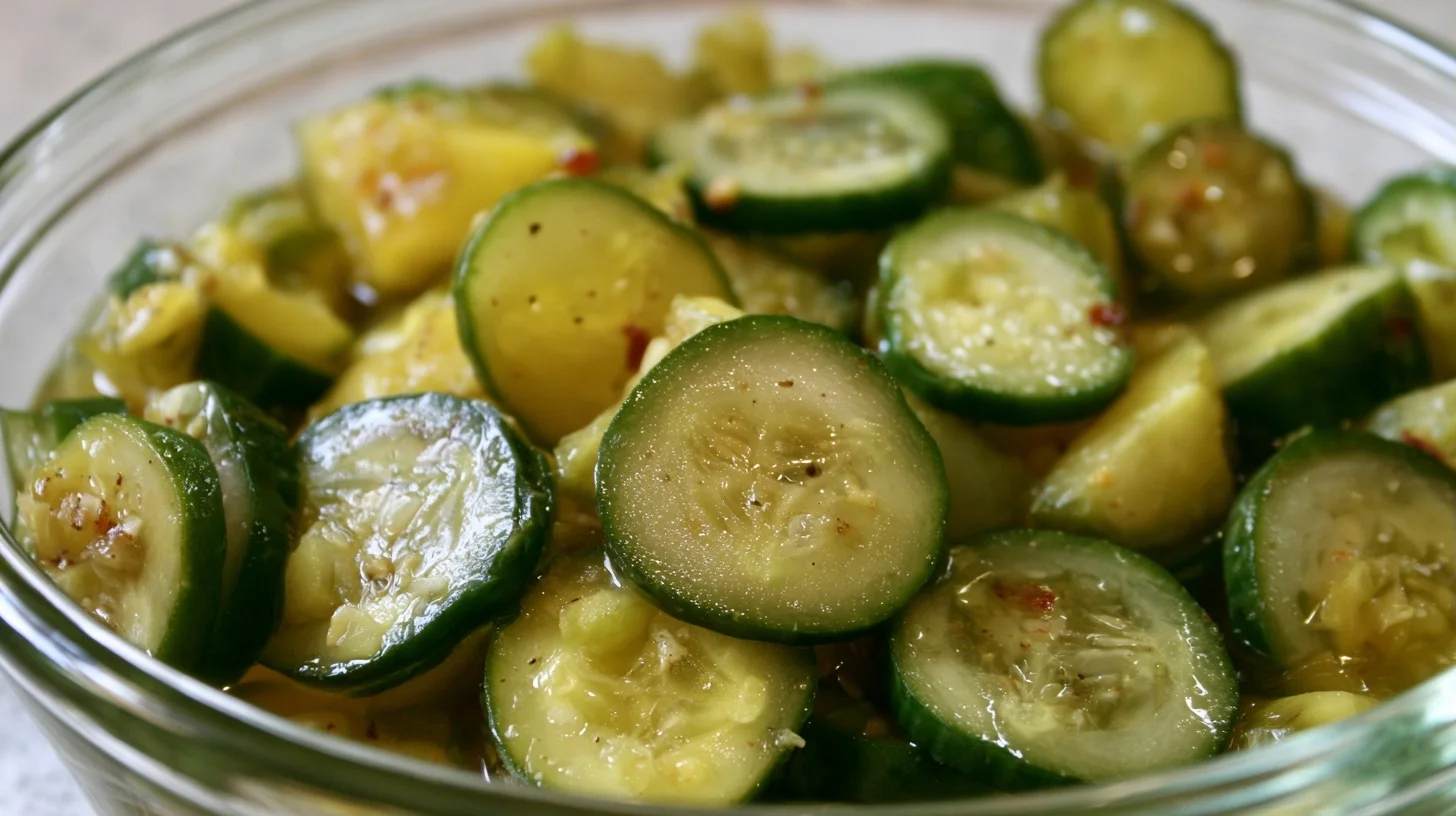
Table of contents
- Why You Will Love This bread and butter pickle recipe
- How to Make Perfect Bread and Butter Pickles Every Time
- The Techniques That Make This Bread and Butter Pickle Recipe Restaurant-Quality
- Creative Ways to Customize Your Bread and Butter Pickle Recipe
- Nutritional Benefits of Homemade Bread and Butter Pickle
- Delicious Ways to Enjoy Your Homemade Pickles
- Keeping Your Pickles Fresh and Crisp
- Frequently Asked Questions about Bread and Butter Pickle Recipe
Why You Will Love This bread and butter pickle recipe
- These pickles stay crisp and crunchy for weeks thanks to the salting technique that removes excess water before brining.
- The sweet and tangy flavor profile is perfectly balanced, making these pickles versatile enough for burgers, sandwiches, and charcuterie boards.
- You can customize the spice level and sweetness to suit your taste, making this recipe adaptable for any palate.
- This refrigerator pickle method requires no canning equipment or complicated water bath processing.
How to Make Perfect Bread and Butter Pickles Every Time
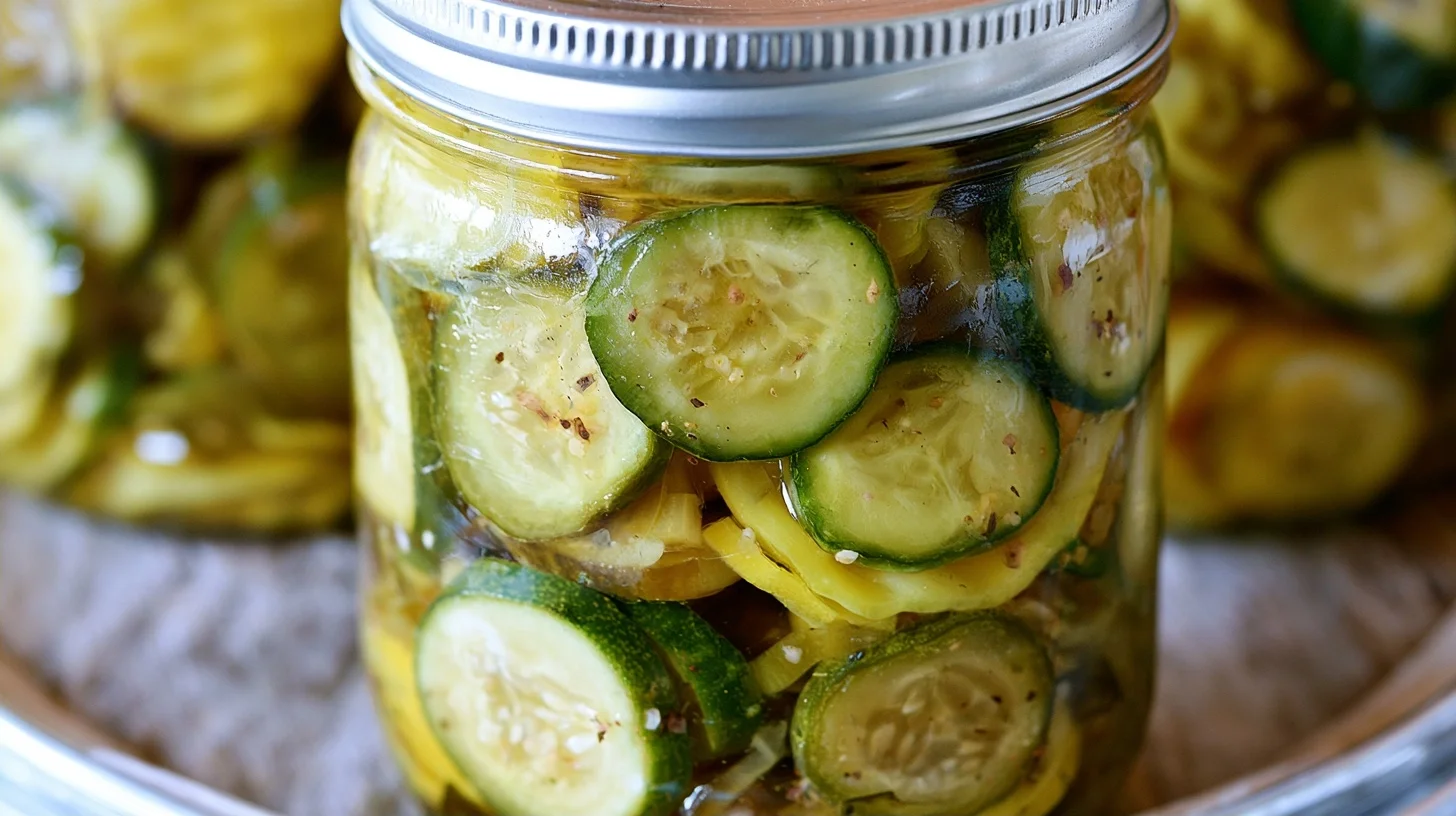
Bread and Butter Pickles
8
servings20
minutes10
minutes30
kcalThese homemade bread and butter pickles are crisp, tangy, and perfectly sweet. The secret is salting the cucumbers for 2 hours before brining, which removes excess moisture and ensures restaurant-quality crunch. Ready in just 24 hours with no canning required.
Keep the screen of your device on
Ingredients
4 cups pickling cucumbers
1 large sweet onion
2 tablespoons kosher salt
2 cups white vinegar
1 cup granulated sugar
1 tablespoon yellow mustard seeds
1 teaspoon celery seeds
1 teaspoon ground turmeric
0.5 teaspoon black peppercorns
2 cloves garlic
Directions
- Toss the sliced cucumbers and onions with kosher salt in a large bowl. Let them sit for exactly 2 hours at room temperature. This draws out excess moisture that would otherwise make your pickles limp and watery.
- Rinse the salted vegetables thoroughly under cold running water to remove all the salt. Pat them completely dry with a clean kitchen towel or paper towels. This step is crucial for achieving the right brine concentration.
- Combine the vinegar, sugar, mustard seeds, celery seeds, turmeric, peppercorns, and garlic in a medium saucepan over medium heat. Stir until the sugar dissolves completely, then remove from heat immediately. Overheating the brine can soften the pickles.
- Pack the dried cucumbers and onions into clean glass jars, leaving about half an inch of space at the top. Distribute them evenly among the jars for consistent flavor.
- Pour the hot brine over the vegetables in the jars, making sure they’re completely submerged. Use a clean spoon to press down any floating pieces. The hot brine helps the spices infuse quickly.
- Let the jars cool to room temperature on the counter, then seal with tight-fitting lids. This prevents condensation from forming inside the lids during refrigeration.
Notes
- The ideal ratio of sugar to vinegar for bread and butter pickles is 1 cup sugar to 2 cups vinegar, which creates the signature sweet-tart balance.
- These refrigerator pickles must be stored in the refrigerator at all times and are not shelf-stable unless processed in a boiling water bath.
- Always use a clean utensil when removing pickles from the jar to prevent introducing bacteria and extend shelf life.
Nutrition Facts
- Serving Size: 1 g
- Total number of serves: 8
- Calories: 30kcal
- Fat: 0g
- Carbohydrates: 7g
- Fiber: 1g
- Protein: 0g
Did you make this recipe?
Tag @therecipemasterblog on Instagram and hashtag it with #therecipemaster
Like this recipe?
Follow @therecipemasterblog on Pinterest
Follow us on Facebook!
Follow The Recipe Master on Facebook
The Techniques That Make This Bread and Butter Pickle Recipe Restaurant-Quality
After years of perfecting this recipe, I’ve learned that small details make a huge difference. These tips will help you achieve crisp, flavorful pickles that rival anything you’d find at a gourmet market. First, let’s talk about cucumber selection and preparation, which sets the foundation for texture and taste.
Choose the Right Cucumbers
I always use small to medium Kirby cucumbers or pickling cucumbers for this recipe. They have fewer seeds and thicker skins than slicing cucumbers, which means they stay crunchy even after brining. Avoid waxed supermarket cucumbers, as the wax prevents the brine from penetrating properly. If you can only find larger cucumbers, cut them into spears instead of rounds to maintain texture.
Salt the Cucumbers Before Brining
The salting step is non-negotiable if you want crisp pickles. Toss the sliced cucumbers and onions with kosher salt and let them sit for exactly 2 hours. This draws out excess moisture that would otherwise dilute the brine and create limp pickles. After salting, rinse the vegetables thoroughly under cold water and pat them dry with a clean kitchen towel. This technique is what separates homemade pickles from watery, disappointing ones.
Heat the Brine Just Until Sugar Dissolves
I heat the vinegar, sugar, and spices together just until the sugar fully dissolves, then remove the pot from the heat immediately. Overheating the brine can cause the pickles to soften during storage. Pour the warm brine over the vegetables while it’s still hot, which helps the spices infuse quickly. However, let the jars cool to room temperature before refrigerating to prevent condensation inside the lids.
Let Them Rest for Maximum Flavor
These pickles are technically ready after 24 hours, but I find they taste even better after 48 to 72 hours. The flavors meld and deepen as the cucumbers absorb the brine. For creative pickle snack ideas, try serving these on a pickle board with cheeses, crackers, and cured meats. The ideal ratio of sugar to vinegar for bread and butter pickles is 1 cup sugar to 2 cups vinegar, which creates the signature sweet-tart balance.
Creative Ways to Customize Your Bread and Butter Pickle Recipe
One of the best things about this recipe is how easily you can adapt it to your preferences. I’ve experimented with dozens of variations over the years, and these are my favorites. Each one brings a unique twist while maintaining the classic bread and butter flavor profile.
Spicy Bread and Butter Pickles
Add 1 to 2 teaspoons of red pepper flakes or 2 sliced jalapeños to the brine for a spicy kick. The heat balances beautifully with the sweetness and adds complexity. If you love bold flavors, try my spicy pickle recipe for an even more intense version.
Lower-Sugar Version
Replace half the granulated sugar with a low-calorie sweetener like erythritol or monk fruit sweetener. This cuts the calories significantly while maintaining the sweet-tart balance. I recommend tasting the brine before pouring it over the cucumbers to adjust sweetness to your liking.
Add Extra Vegetables
I often add thinly sliced bell peppers, cauliflower florets, or green beans to the jars for a colorful mixed pickle medley. These vegetables absorb the brine just as well as cucumbers and add variety to each bite. Just make sure to slice everything uniformly so they pickle evenly.
Herb-Infused Pickles
Add fresh dill sprigs, thyme, or tarragon to the jars before pouring in the brine. Fresh herbs add a bright, aromatic quality that complements the sweetness. This variation is especially delicious on fish tacos or alongside grilled chicken.
Nutritional Benefits of Homemade Bread and Butter Pickle
Homemade bread and butter pickles are surprisingly low in calories, with each serving containing approximately 30 calories. They’re naturally fat-free and provide a small amount of fiber from the cucumbers. However, they do contain sugar, with about 7 grams per serving, which contributes to the sweet flavor profile.
Cucumbers are hydrating and contain vitamins K and C, along with potassium. The vinegar in the brine may support digestion and blood sugar regulation, though these pickles are not fermented and therefore don’t contain probiotics. If you’re watching sodium intake, be mindful that pickles are naturally high in salt due to the brining process.
Delicious Ways to Enjoy Your Homemade Pickles
These pickles are incredibly versatile and elevate so many dishes. I love piling them high on burgers, hot dogs, and pulled pork sandwiches for a tangy crunch. They also make a fantastic addition to charcuterie boards, where their bright flavor cuts through rich cheeses and cured meats beautifully.
Try chopping them finely and stirring them into potato salad, tuna salad, or deviled eggs for extra flavor and texture. I also enjoy them as a simple snack with sharp cheddar cheese and crackers. For a Southern-inspired appetizer, serve them alongside fried chicken tenders or cornbread. They’re equally delicious on breakfast sandwiches with eggs and bacon, adding a surprising sweet-savory contrast that wakes up your taste buds.
Keeping Your Pickles Fresh and Crisp
Store your bread and butter pickles in clean glass jars with tight-fitting lids in the refrigerator. They’ll stay crisp and flavorful for up to 3 months, though I’ve never had a batch last that long because they disappear so quickly. Make sure the cucumbers are fully submerged in the brine to prevent spoilage.
These are refrigerator pickles, so they’re not shelf-stable and must be kept cold at all times. If you want to preserve them for longer storage, you can process the jars in a boiling water bath for 10 minutes, following proper canning procedures. However, I find the refrigerator method so easy and convenient that I rarely bother with canning. Always use a clean utensil when removing pickles from the jar to prevent introducing bacteria.
Frequently Asked Questions about Bread and Butter Pickle Recipe
Yes, but pickling cucumbers are better. Regular slicing cucumbers have more seeds and thinner skins, which can result in softer pickles. If you use them, choose smaller ones and remove some of the seeds before slicing.
Yes, salting is essential for crisp pickles. This step draws out excess moisture that would otherwise dilute the brine and create limp, watery pickles. Let them sit for 2 hours, then rinse and dry thoroughly.
They last up to 3 months when stored in a clean, airtight jar in the refrigerator. Make sure the cucumbers stay fully submerged in the brine and always use a clean utensil to remove them from the jar.
Yes, you can reduce the sugar or replace half of it with a low-calorie sweetener like erythritol or monk fruit. Keep in mind that reducing sugar will make the pickles less sweet and more tangy, so adjust to your taste preference.



Leave a Reply