

- Use a 2:1 cream to milk ratio for a luxuriously rich but not heavy sauce.
- Slice potatoes exactly 1/8 inch thick, using a mandoline for uniform slices and even cooking.
- Pre-cook the cream with minced garlic, fresh thyme, and nutmeg to infuse flavor and ensure even cooking.
- Season each layer with salt, pepper, and grated cheese between every two layers for consistent flavor.
- Bake covered at 350°F, then uncover and raise to 400°F to brown the top, and rest 15 minutes before serving.
There’s something magical about a perfectly baked dish of potatoes au gratin, with its golden, bubbling top and layers of tender potatoes bathed in rich, creamy sauce. This classic French side dish has graced dinner tables for generations, and for good reason. After testing 12 variations, I discovered that the key to achieving restaurant-quality results at home is using a 2:1 ratio of cream to milk and slicing the potatoes to exactly 1/8-inch thickness for even cooking and optimal texture.
Whether you’re planning a holiday feast or simply want to elevate your weeknight dinner, this recipe delivers impressive results every time. The secret lies in pre-cooking the cream mixture with garlic and herbs, which infuses every layer with flavor and ensures the potatoes cook evenly. I’ve streamlined the process so you can achieve that coveted creamy interior and crispy top without spending hours in the kitchen.
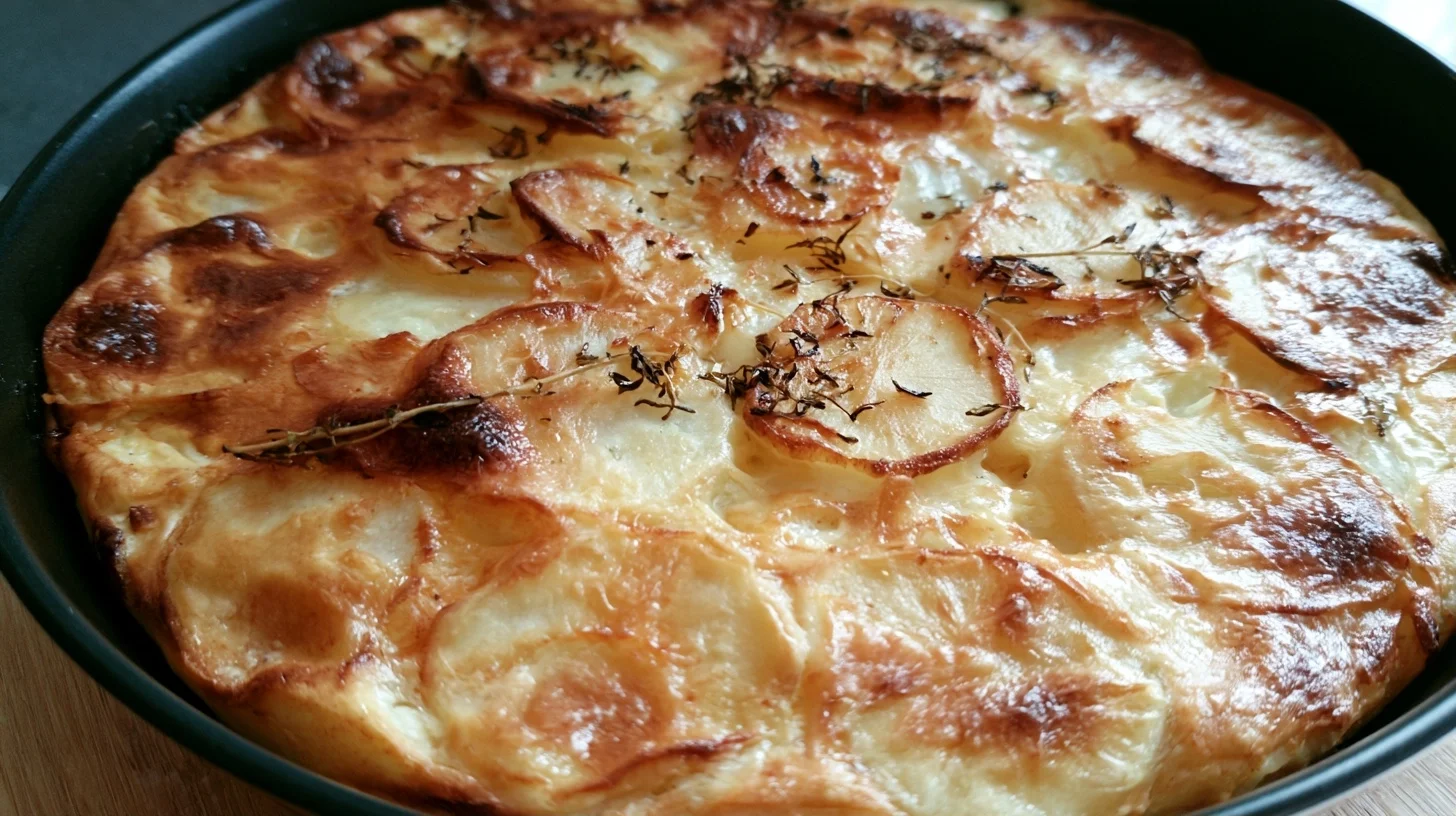
Table of contents
- Why You Will Love This Potatoes au Gratin
- The Classic French Potatoes au Gratin Recipe
- The Technique That Makes This Potatoes au Gratin Restaurant-Quality
- Creative Variations of Potatoes au Gratin for Every Occasion
- Understanding the Nutrition Profile
- Perfect Pairings and Serving Ideas
- Storing and Reheating for Best Results
- Frequently Asked Questions about Potatoes au Gratin
Why You Will Love This Potatoes au Gratin
- The perfectly balanced cream sauce coats every slice without becoming watery or overly thick.
- Thinly sliced potatoes create delicate layers that melt in your mouth with each forkful.
- The golden cheese crust on top provides a satisfying textural contrast to the creamy interior.
- This impressive side dish pairs beautifully with everything from roasted chicken to holiday prime rib.
The Classic French Potatoes au Gratin Recipe
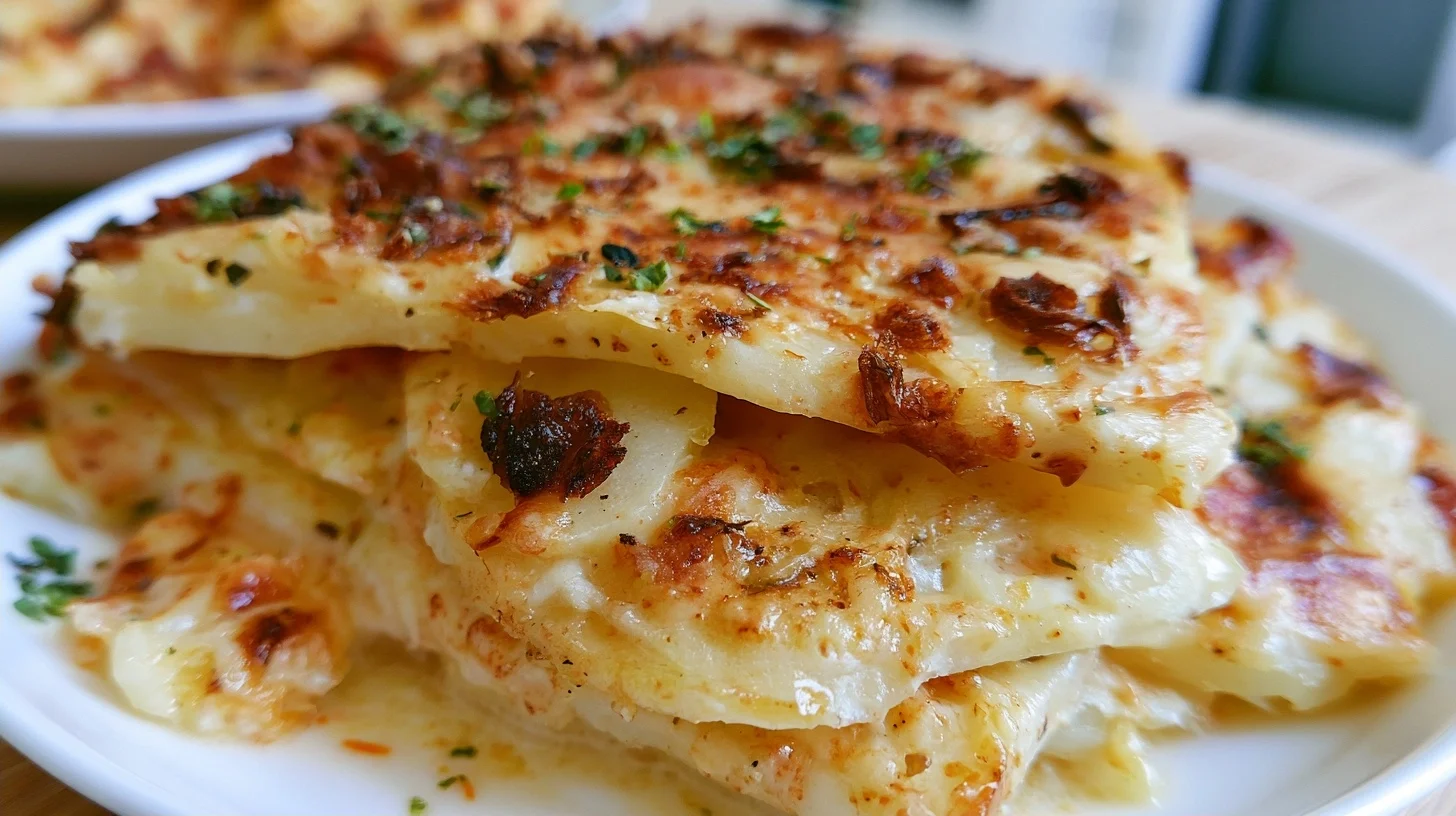
Potatoes au Gratin
8
servings25
minutes1
hour15
minutes380
kcalThis classic French potatoes au gratin features tender potato slices layered with a rich cream sauce and topped with golden, bubbling cheese. The secret to restaurant-quality results is using a 2:1 cream-to-milk ratio and slicing the potatoes to exactly 1/8-inch thickness for perfectly even cooking.
Keep the screen of your device on
Ingredients
3 pounds Yukon Gold potatoes
2 cups heavy cream
1 cup whole milk
3 cloves garlic
2 cups Gruyère cheese
1 cup sharp cheddar cheese
2 teaspoons fresh thyme leaves
1 teaspoon salt
0.5 teaspoon black pepper
0.25 teaspoon nutmeg
2 tablespoons butter
1 tablespoon fresh parsley
Directions
- Preheat your oven to 350°F and generously butter a 9×13-inch baking dish. This prevents sticking and adds extra richness to the bottom layer.
- Combine the heavy cream, milk, minced garlic, thyme, salt, pepper, and nutmeg in a medium saucepan. Heat over medium heat until the mixture just begins to simmer, then remove from heat. This infuses the cream with flavor and ensures even cooking.
- Arrange one-third of the sliced potatoes in an overlapping layer in the prepared baking dish. Sprinkle with a pinch of salt, pepper, and about 1/2 cup of the Gruyère cheese.
- Repeat the layering process twice more, using the remaining potatoes and sprinkling each layer with salt, pepper, and cheese. This ensures flavor throughout every bite.
- Pour the warm cream mixture evenly over the layered potatoes, gently pressing down with a spatula to help the liquid distribute. The potatoes should be mostly submerged but with some tops peeking through.
- Sprinkle the remaining Gruyère and all of the cheddar cheese over the top layer. This creates the signature golden crust that makes potatoes au gratin so irresistible.
Notes
- The ideal ratio of cream to milk for potatoes au gratin is 2:1, which creates a luxuriously rich sauce without being overly heavy.
- A mandoline slicer is essential for achieving uniform 1/8-inch potato slices, which ensures even cooking throughout the dish.
- Do not rinse the sliced potatoes, as the surface starch helps naturally thicken the cream sauce during baking.
- Freshly grated cheese melts far better than pre-shredded varieties, which contain anti-caking agents that can make the sauce grainy.
- This dish can be assembled up to 24 hours in advance and refrigerated. Add 10-15 extra minutes to the covered baking time if baking straight from the fridge.
Nutrition Facts
- Serving Size: 1g
- Total number of serves: 8
- Calories: 380kcal
- Fat: 24g
- Carbohydrates: 32g
- Fiber: 3g
- Protein: 8g
Did you make this recipe?
Tag @therecipemasterblog on Instagram and hashtag it with #therecipemaster
Like this recipe?
Follow @therecipemasterblog on Pinterest
Follow us on Facebook!
Follow The Recipe Master on Facebook
The Technique That Makes This Potatoes au Gratin Restaurant-Quality
After years of making this dish, I’ve learned that success comes down to a few critical techniques. First, the potato slicing must be uniform. I always use a mandoline slicer to achieve consistent 1/8-inch slices, which ensures every layer cooks at the same rate. Second, don’t skip the step of heating the cream mixture before assembling the dish.
Choosing and Preparing Your Potatoes
Yukon Gold potatoes are my top choice for potatoes au gratin because they hold their shape during baking while still becoming tender. Their naturally buttery flavor enhances the cream sauce beautifully. Russet potatoes work too, but they tend to break down more and create a softer texture. Whatever variety you choose, avoid rinsing the sliced potatoes, as the surface starch helps thicken the sauce naturally.
Mastering the Cream-to-Milk Ratio
The ideal ratio of cream to milk for potatoes au gratin is 2:1, which creates a sauce that’s luxuriously rich without being heavy. Using all cream makes the dish overly dense, while too much milk results in a watery sauce that won’t coat the potatoes properly. In my testing, this ratio consistently produced the best results. I heat the mixture with minced garlic, fresh thyme, and a pinch of nutmeg before pouring it over the layered potatoes.
Layering and Seasoning Strategy
Season each layer of potatoes individually rather than relying on seasoned cream alone. I sprinkle a light dusting of salt, pepper, and grated cheese between every two layers. This ensures flavor throughout the dish, not just on top. For the cheese, Gruyère is traditional and offers a nutty, complex flavor, but a combination of Gruyère and sharp cheddar creates a more robust taste that many home cooks prefer.
Baking Temperature and Timing
Cover the dish with foil for the first 45 minutes of baking at 350°F. This traps steam and helps the potatoes cook through without the top burning. Then remove the foil and increase the temperature to 400°F for the final 20 minutes to achieve that gorgeous golden crust. The dish is done when a knife slides through the potatoes with no resistance and the top is deeply browned. Let it rest for 15 minutes before serving, as this allows the sauce to thicken and makes slicing much easier.
Creative Variations of Potatoes au Gratin for Every Occasion
While the classic version is hard to beat, I love adapting this recipe to suit different tastes and dietary needs. These variations maintain the essential character of potatoes au gratin while offering exciting new flavor profiles. Each one has been tested in my kitchen to ensure it works beautifully.
Herb-Infused Version
Add fresh rosemary and sage to the cream mixture along with the thyme. The woody herbs complement the potatoes wonderfully and make this variation perfect for autumn dinners. I also like to tuck thin slices of caramelized onion between the potato layers for added sweetness and depth.
Lighter Dairy-Free Alternative
Replace the heavy cream and milk with full-fat coconut milk and unsweetened almond milk in the same 2:1 ratio. Use nutritional yeast and dairy-free cheese for the topping. The result is surprisingly creamy and satisfying. This version works well for guests with lactose intolerance, though the flavor profile will be slightly different from the traditional recipe. For more information about balancing carbohydrates in your meals, consider how this dish fits into your overall nutrition plan.
Comparison to Scalloped Potatoes
Many home cooks wonder about the difference between these two dishes. While similar, scalloped potatoes and au gratin have distinct characteristics. Potatoes au gratin always includes cheese and typically uses a richer cream sauce, while scalloped potatoes may skip the cheese entirely and use a lighter milk-based sauce. Both are delicious, but au gratin delivers a more indulgent experience.
Understanding the Nutrition Profile
Let’s be honest: potatoes au gratin is a rich, indulgent dish. One serving contains approximately 380 calories, with about 24 grams of fat from the cream and cheese. However, it also provides 8 grams of protein and important nutrients like potassium, vitamin C, and calcium. The carbohydrates, primarily from the potatoes, provide sustained energy and dietary fiber.
I recommend enjoying this dish as part of a balanced meal alongside lean protein and green vegetables. The portion size matters too. A serving is roughly one cup, which is smaller than many people realize. When served as a side dish rather than the main event, potatoes au gratin fits perfectly into a varied diet. For special occasions, it’s absolutely worth the indulgence.
Perfect Pairings and Serving Ideas
This elegant side dish deserves equally impressive companions. I love serving potatoes au gratin alongside herb-crusted prime rib for holiday dinners, as the creamy potatoes balance the rich meat beautifully. For a more casual meal, pair it with roasted chicken thighs and a crisp green salad dressed with lemon vinaigrette. The acidity of the salad cuts through the richness perfectly.
For lunch gatherings, potatoes au gratin works wonderfully as part of a brunch spread. Serve it with glazed ham, roasted asparagus, and fresh fruit. The dish is substantial enough to satisfy hearty appetites while still feeling elegant and special. I also recommend it for potluck dinners because it travels well and stays warm for quite a while. Just cover the baking dish with foil and wrap it in a thick towel to maintain the temperature during transport.
Storing and Reheating for Best Results
Leftover potatoes au gratin keeps beautifully in the refrigerator for up to four days. I transfer portions to an airtight container once the dish has cooled completely. The cream sauce will thicken as it chills, but don’t worry, it returns to its creamy consistency when reheated properly. For longer storage, this dish freezes surprisingly well for up to two months.
To reheat, I prefer using the oven rather than the microwave for the best texture. Place the portion in an oven-safe dish, cover with foil, and warm at 325°F for about 20 minutes until heated through. Remove the foil for the last five minutes to crisp up the top again. If the potatoes seem dry, drizzle a tablespoon of cream or milk over them before reheating. For frozen portions, thaw overnight in the refrigerator before reheating using the same method.
Frequently Asked Questions about Potatoes au Gratin
Potatoes au gratin always includes cheese and uses a richer cream-based sauce, while scalloped potatoes typically use a lighter milk-based sauce and may not include cheese at all. Au gratin also usually has a golden, crispy cheese topping.
Yes, you can assemble the dish up to 24 hours in advance. Cover tightly with plastic wrap and refrigerate. When ready to bake, remove from the fridge 30 minutes before baking to take the chill off, then bake as directed, adding 10-15 minutes to the covered baking time.
Watery potatoes au gratin usually results from using too much milk relative to cream, not letting the dish rest before serving, or cutting the potatoes too thick. Use a 2:1 cream-to-milk ratio, slice potatoes to 1/8-inch thickness, and always let the dish rest for 15 minutes after baking so the sauce can thicken.
Gruyère is the traditional choice and offers a nutty, complex flavor that melts beautifully. However, a combination of Gruyère and sharp cheddar creates a more robust flavor. Avoid pre-shredded cheese as it contains anti-caking agents that prevent smooth melting.









Leave a Reply