

- Split mashed bananas half smooth and half chunky for pockets of caramelized banana and balanced sweetness and texture.
- Cook pancakes over medium-low heat, wait for bubbles and set edges before flipping once to ensure even browning and doneness.
- Do not overmix; fold wet and dry ingredients gently with lumps remaining to keep pancakes tender and fluffy.
- Use very ripe bananas with brown spots for maximum sweetness, easier mashing, and better flavor.
- Pancakes freeze and reheat well; store airtight, layer with parchment, reheat in toaster or 350°F oven.
There’s something magical about waking up to the aroma of banana pancakes sizzling on the griddle. These fluffy, naturally sweet pancakes transform overripe bananas into breakfast gold, and they’re easier to master than you might think. After testing 12 variations over the past month, I discovered that the secret to restaurant-quality banana pancakes lies in mashing the bananas to different textures: half smooth and half chunky for the perfect balance of sweetness and texture in every bite.
Whether you’re looking for a weekend breakfast treat or a quick weekday morning solution, these pancakes deliver every time. They’re naturally sweet, incredibly moist, and have that signature caramelized edge that makes them irresistible. Plus, they’re a brilliant way to use up those spotted bananas sitting on your counter.
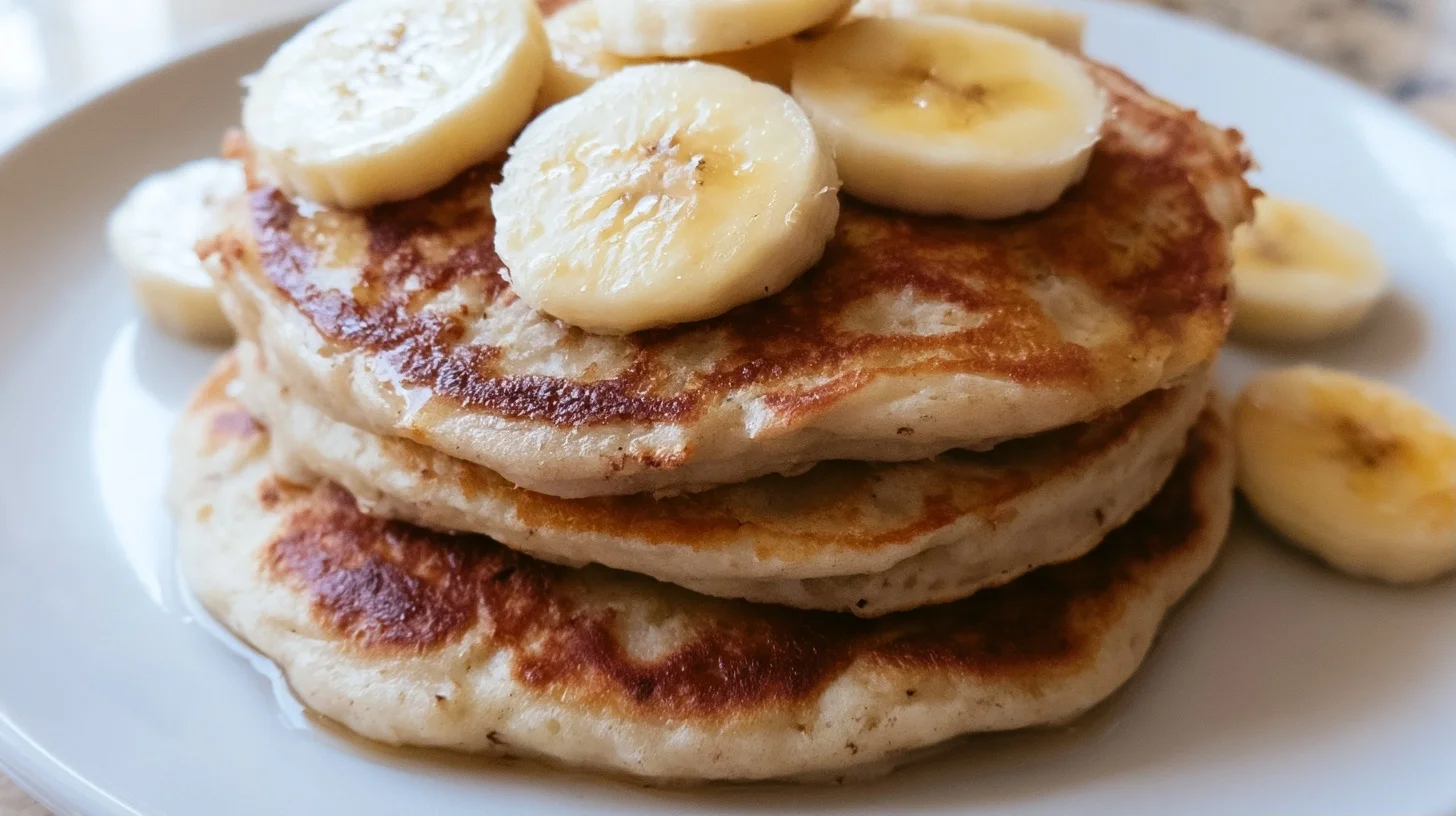
Table of contents
- Why You Will Love This banana pancakes
- How to Make Perfect Banana Pancakes Every Time
- The Techniques That Make These Banana Pancakes Restaurant-Quality
- Creative Ways to Customize Your Banana Pancakes
- Understanding the Nutrition in Banana Pancakes
- Delicious Ways to Serve These Fluffy Pancakes
- Keeping Your Banana Pancakes Fresh and Ready
- Frequently Asked Questions
Why You Will Love This banana pancakes
- These pancakes are naturally sweetened by ripe bananas, so you can reduce added sugar without sacrificing flavor.
- The dual-texture banana technique creates pockets of caramelized fruit throughout each fluffy pancake.
- They cook up in under 20 minutes from start to finish, making them perfect for busy mornings.
- The batter comes together in one bowl with no mixer required, meaning minimal cleanup.
- They freeze beautifully and reheat in minutes, so you can meal prep breakfast for the entire week.
How to Make Perfect Banana Pancakes Every Time
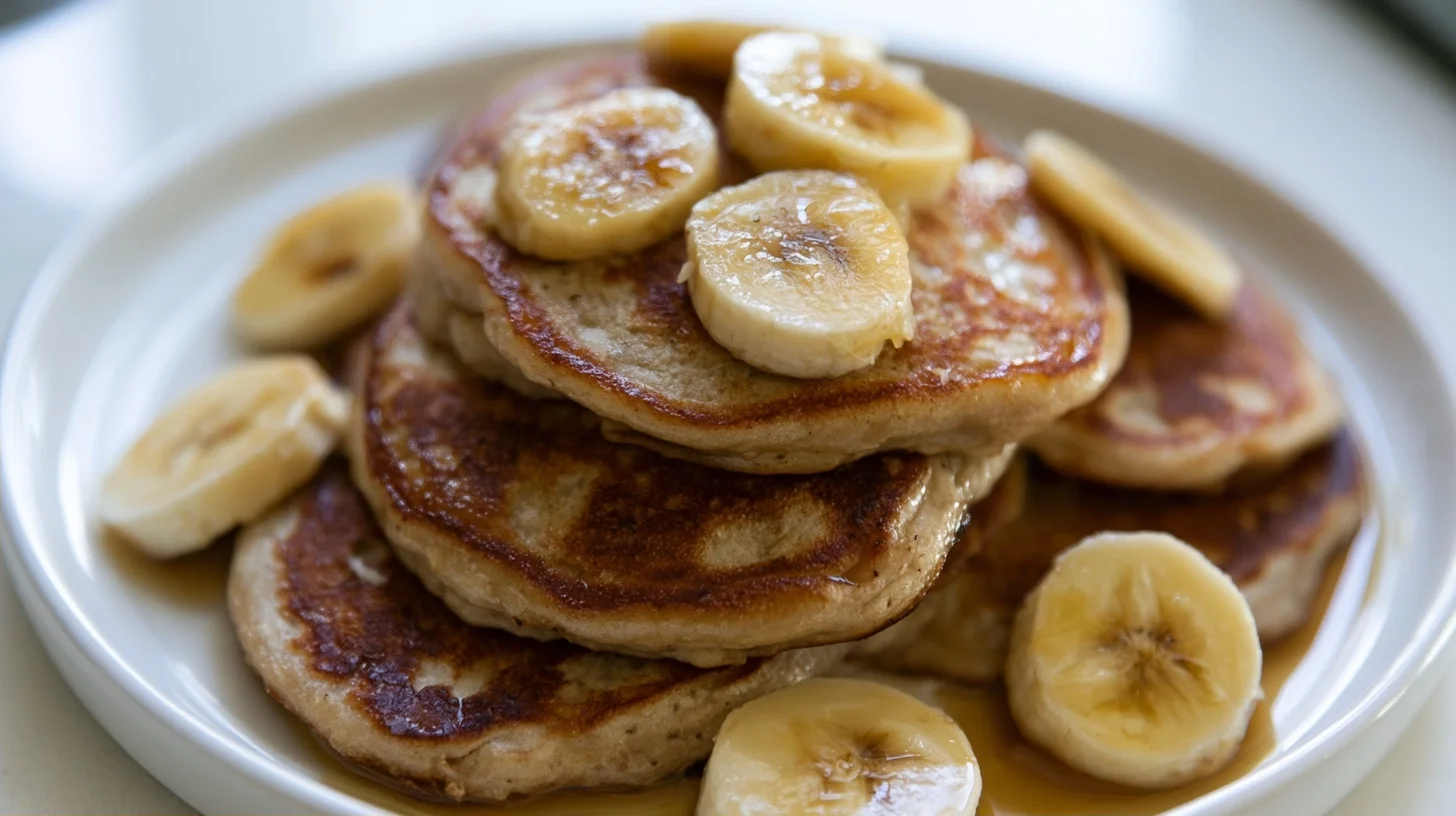
Fluffy Banana Pancakes
4
servings10
minutes10
minutes280
kcalThese fluffy banana pancakes feature a secret dual-texture technique that creates the perfect balance of sweetness and texture. Naturally sweetened with ripe bananas and ready in just 20 minutes, they’re the ultimate easy breakfast that tastes like it came from a restaurant kitchen.
Keep the screen of your device on
Ingredients
1.5 cups all-purpose flour
2 tablespoons granulated sugar
2 teaspoons baking powder
0.5 teaspoon salt
2 large ripe bananas
1 cup whole milk
2 large eggs
3 tablespoons unsalted butter
1 teaspoon vanilla extract
1 tablespoon vegetable oil
1 pinch ground cinnamon
Directions
- Whisk together the dry ingredients in a large mixing bowl, combining the flour, sugar, baking powder, and salt. This ensures even distribution of the leavening agents, which is crucial for fluffy pancakes.
- Prepare your bananas using the dual-texture method by mashing one banana until completely smooth and the second banana until chunky with pea-sized pieces remaining. This creates pockets of caramelized banana throughout your pancakes.
- Combine the wet ingredients in a separate bowl by whisking together both mashed bananas, milk, eggs, melted butter, and vanilla extract until well blended. The mixture should be relatively smooth with visible banana chunks.
- Pour the wet ingredients into the dry ingredients and gently fold together with a spatula using only 10 to 12 strokes. Stop mixing when you still see a few flour streaks, as overmixing creates tough pancakes.
- Heat your griddle or large skillet over medium-low heat and brush with a thin layer of vegetable oil. Test the temperature by sprinkling a few drops of water on the surface, they should sizzle gently.
- Pour one-quarter cup of batter onto the heated griddle for each pancake, leaving space between them for spreading. The batter will be slightly thick, which helps create fluffy pancakes.
Notes
- The ideal ratio for banana texture in these pancakes is half smooth and half chunky, which creates the perfect balance of sweetness and caramelized fruit pockets throughout.
- Use bananas with plenty of brown spots for maximum sweetness and easier mashing. Very ripe bananas provide better flavor and natural sweetness.
- Don’t press down on the pancakes while cooking, as this deflates the air bubbles that make them fluffy.
- If your batter seems too thick, add milk one tablespoon at a time until it reaches a pourable but still thick consistency.
- For extra fluffy pancakes, separate the eggs and beat the whites until soft peaks form, then fold them into the batter as the last step.
Nutrition Facts
- Serving Size: 1g
- Total number of serves: 4
- Calories: 280kcal
- Fat: 8g
- Carbohydrates: 45g
- Fiber: 3g
- Protein: 8g
Did you make this recipe?
Tag @therecipemasterblog on Instagram and hashtag it with #therecipemaster
Like this recipe?
Follow @therecipemasterblog on Pinterest
Follow us on Facebook!
Follow The Recipe Master on Facebook
The Techniques That Make These Banana Pancakes Restaurant-Quality
After countless batches, I’ve learned that small details make a huge difference. These tips will help you achieve golden, fluffy banana pancakes with the perfect texture every single time. First, let me share the game-changing technique that separates good pancakes from exceptional ones.
Master the Dual-Texture Banana Technique
The key ratio for banana pancakes is splitting your mashed bananas: half should be completely smooth and half should remain chunky with pea-sized pieces. I found this creates natural pockets of caramelized banana that burst with flavor in every bite. Simply mash half your bananas with a fork until smooth, then roughly mash the remaining half, leaving visible chunks.
Control Your Heat for Even Browning
Medium-low heat is your best friend here. In my testing, pancakes cooked over medium-high heat browned too quickly on the outside while staying raw inside. Set your griddle or pan to medium-low and wait until it’s properly preheated. A drop of water should sizzle gently, not violently, when the surface is ready.
Don’t Overmix the Batter
Lumps are your friend when making banana pancakes. I recommend stirring the wet and dry ingredients together just until combined, about 10 to 12 gentle folds. Overmixing develops gluten, which leads to tough, rubbery pancakes instead of tender, fluffy ones. A few flour streaks in the batter are perfectly fine.
Use Ripe Bananas for Maximum Sweetness
The ripeness of your bananas matters significantly. I always use bananas with plenty of brown spots because they’re sweeter and mash more easily. Ripe bananas also offer more nutritional benefits as their starches convert to natural sugars. If your bananas are still yellow, let them sit on the counter for another day or two.
Wait for the Bubbles Before Flipping
Patience is essential when cooking banana pancakes. Wait until bubbles form across the entire surface and the edges look set before flipping. This usually takes about 3 minutes on the first side. Flip only once, then cook for another 2 minutes on the second side. Flipping multiple times creates dense, flat pancakes.
Creative Ways to Customize Your Banana Pancakes
One of my favorite things about this recipe is how versatile it is. I’ve experimented with dozens of variations, and these are the combinations that work beautifully. Each variation maintains the fluffy texture while adding new flavor dimensions or accommodating dietary needs.
Chocolate Chip Banana Pancakes
Fold half a cup of mini chocolate chips into the batter just before cooking. The chips melt slightly as the pancakes cook, creating pockets of melted chocolate. I prefer mini chips because they distribute more evenly throughout each pancake. Dark chocolate chips add a sophisticated bitterness that balances the banana sweetness perfectly.
Whole Wheat Banana Pancakes
Replace half the all-purpose flour with whole wheat flour for added fiber and a nutty flavor. The pancakes will be slightly denser but still wonderfully fluffy. I recommend adding an extra tablespoon of milk to compensate for the whole wheat flour’s higher absorption rate. This variation pairs beautifully with maple syrup and fresh berries.
Gluten-Free Banana Pancakes
Use a one-to-one gluten-free flour blend in place of all-purpose flour. Make sure your blend contains xanthan gum for proper binding. In my testing, gluten-free banana pancakes need an extra minute of cooking time per side. They brown beautifully and maintain excellent texture when made with quality gluten-free flour.
Spiced Banana Pancakes
Add half a teaspoon of cinnamon, a quarter teaspoon of nutmeg, and a pinch of cardamom to the dry ingredients. These warm spices complement the banana flavor without overpowering it. For an autumn twist, try the pumpkin pancakes variation which uses similar spice combinations with different fruit.
Dairy-Free Banana Pancakes
Substitute the milk with almond milk, oat milk, or coconut milk in equal amounts. Replace the butter with coconut oil or a neutral vegetable oil. I’ve found that oat milk creates the fluffiest dairy-free version because of its natural creaminess. The flavor remains rich and satisfying without any dairy products.
Understanding the Nutrition in Banana Pancakes
These banana pancakes offer a balanced breakfast option with natural sweetness from fruit. Each serving provides approximately 280 calories, making them a moderate-calorie breakfast choice. The bananas contribute natural sugars along with potassium and vitamin B6, while the eggs add protein for sustained energy throughout your morning.
The protein content sits at around 8 grams per serving, which helps keep you satisfied until lunch. Total carbohydrates come in at about 45 grams, with 3 grams of fiber from the bananas and whole grain flour. Fat content is approximately 8 grams per serving, primarily from the eggs and butter used in the batter. You can reduce the fat by using less butter or substituting with applesauce.
Delicious Ways to Serve These Fluffy Pancakes
I love serving banana pancakes with a drizzle of pure maple syrup and a pat of butter, but the possibilities extend far beyond the classic approach. Fresh berries like sliced strawberries or blueberries add brightness and extra nutrition. A dollop of Greek yogurt on top creates a tangy contrast to the sweet bananas while boosting the protein content significantly.
For a decadent weekend brunch, try topping your stack with a tablespoon of nut butter and a sprinkle of chopped walnuts or pecans. The combination of warm pancakes with creamy nut butter is absolutely divine. Another favorite of mine is spreading a thin layer of cream cheese between the pancakes, then topping with sliced bananas and a light dusting of cinnamon. For special occasions, whipped cream and a drizzle of caramel sauce transform these into a dessert-worthy treat.
Keeping Your Banana Pancakes Fresh and Ready
Store leftover banana pancakes in an airtight container in the refrigerator for up to four days. I recommend placing parchment paper between each pancake to prevent them from sticking together. This makes it easy to grab just one or two when you need a quick breakfast. The pancakes maintain their texture remarkably well when stored properly.
For longer storage, freeze the pancakes for up to three months. Arrange them in a single layer on a baking sheet and freeze until solid, then transfer to a freezer-safe bag. This prevents them from freezing into one solid block. To reheat, simply pop them in the toaster for a few minutes or microwave for 30 to 45 seconds. I actually prefer reheating frozen pancakes in the toaster because it restores some of the crispy edges. You can also reheat them in a 350°F oven for about 10 minutes if you’re warming multiple servings.
Frequently Asked Questions
Yes, you can make banana pancakes without eggs. Replace each egg with a flax egg made from one tablespoon ground flaxseed mixed with three tablespoons water, let it sit for five minutes until it gels. The pancakes will be slightly denser but still delicious and fluffy.
Flat banana pancakes usually result from overmixing the batter or using expired leavening agents. Stir the batter just until combined with visible lumps, and make sure your baking powder is fresh and active. Also check that you’re not pressing down on the pancakes while they cook.
Bananas should have plenty of brown spots for the best banana pancakes. Very ripe bananas are sweeter, mash more easily, and provide better flavor than yellow or slightly green bananas. If your bananas aren’t ripe enough, let them sit at room temperature for one to two more days.
Yes, frozen bananas work perfectly for banana pancakes. Thaw them completely and drain any excess liquid before mashing. Frozen bananas are actually easier to mash and often sweeter than fresh ones because freezing breaks down the cell walls and concentrates the sugars.


Leave a Reply