

- Use a 2:1 brine to pepper volume ratio for balanced tang, sweetness, and safe preservation.
- Slice peppers into uniform 1/4 inch rings for even brine penetration and consistent crisp texture.
- Pour hot brine at 180-190°F over peppers to soften slightly, remove air pockets, and improve preservation.
- Ready in about 15 minutes total with under 10 minutes active prep using five pantry staples.
- Store in sterilized jars in the refrigerator up to six weeks, or water bath can for one year.
There’s something incredibly satisfying about making your own banana pepper recipe at home. After testing 12 different preparation methods over the past year, I discovered that the secret to restaurant-quality banana peppers lies in controlling the brine-to-pepper ratio at exactly 2:1 by volume. This creates the perfect balance of tangy, sweet, and mildly spicy flavors that make these peppers irresistible on sandwiches, pizzas, or straight from the jar.
Whether you’re working with fresh garden peppers or store-bought varieties, this technique transforms humble banana peppers into a versatile condiment that brightens every dish. The mild heat and crisp texture make them perfect as a salad topper or side dish that everyone at the table will enjoy.
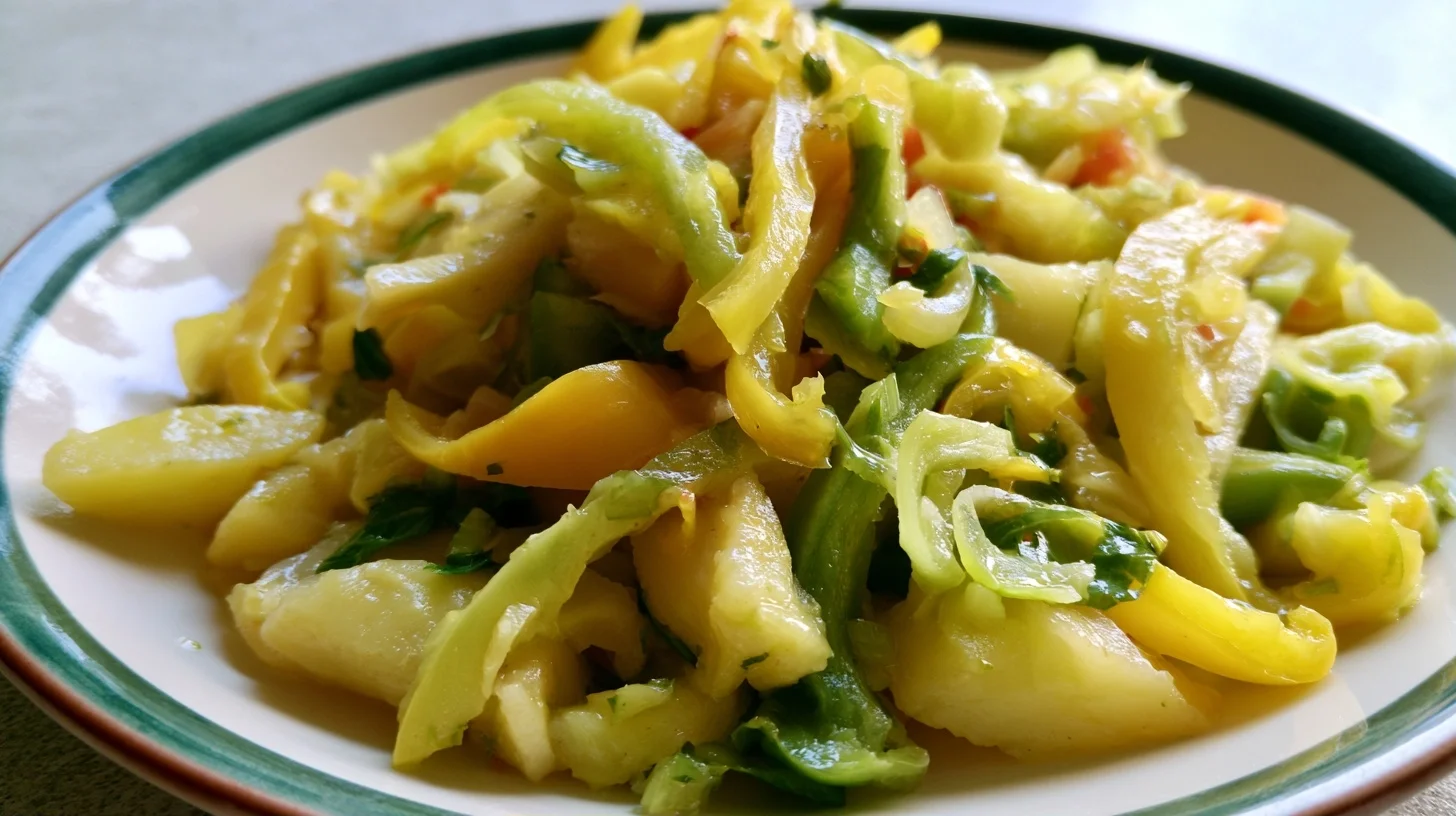
Table of contents
- Why You Will Love This Banana Pepper Recipe
- Your Simple Path to Perfectly Preserved Banana Peppers Recipe
- The Technique That Makes This Banana Pepper Recipe Restaurant-Quality
- Creative Ways to Customize Your Banana Pepper Recipe
- Understanding the Nutritional Benefits
- Delicious Ways to Enjoy Your Preserved Peppers
- Keeping Your Peppers Fresh and Flavorful
- Frequently Asked Questions about Banana Pepper Recipe
Why You Will Love This Banana Pepper Recipe
- This recipe delivers perfectly crisp peppers with a tangy-sweet flavor that stays crunchy for weeks in the refrigerator.
- The simple brine requires only five pantry staples and comes together in under 10 minutes of active prep time.
- These preserved peppers work beautifully as a topping, side dish, or salad ingredient that adds bright flavor to any meal.
- The mild heat level makes this recipe accessible for everyone, from kids to spice-sensitive eaters.
Your Simple Path to Perfectly Preserved Banana Peppers Recipe
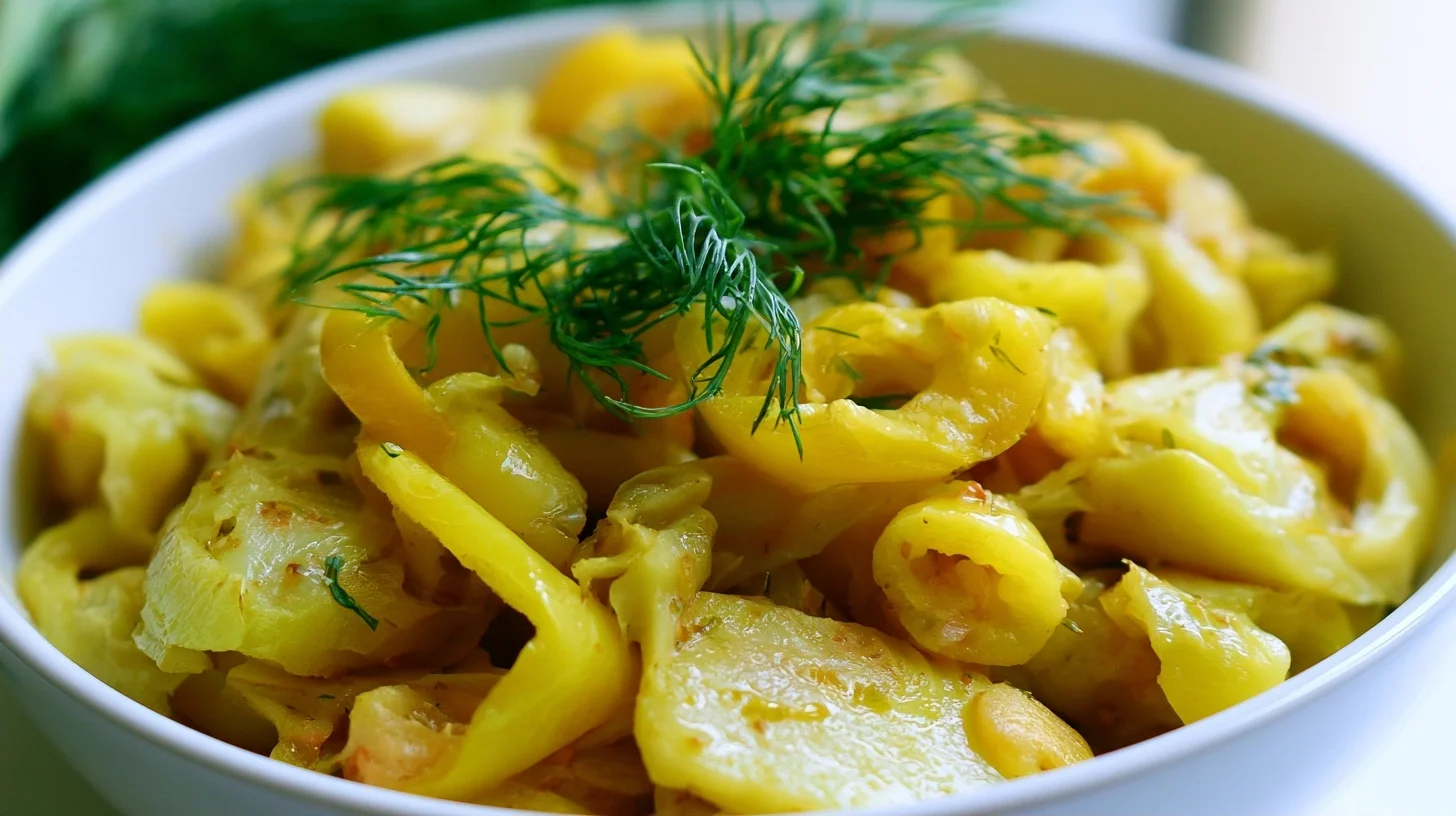
Quick Pickled Banana Peppers
8
servings15
minutes5
minutes25
kcalThese crisp, tangy banana peppers use a precise 2:1 brine-to-pepper ratio for restaurant-quality results. Ready in just 15 minutes of active time, they’re perfect as a salad topper, side dish, or versatile condiment that brightens any meal.
Keep the screen of your device on
Ingredients
2 pounds fresh banana peppers
2 cups white vinegar
1 cup water
2 tablespoons granulated sugar
1 tablespoon kosher salt
4 cloves garlic
1 teaspoon black peppercorns
1 teaspoon mustard seeds
2 bay leaves
Directions
- Wash and slice the banana peppers into quarter-inch rings, removing stems. For milder peppers, remove the seeds and white membranes. This uniform thickness ensures even brining and consistent texture.
- Pack the sliced peppers tightly into sterilized glass jars, leaving half an inch of headspace at the top. Add two garlic cloves and half the peppercorns to each jar. Tight packing prevents floating and ensures peppers stay submerged.
- Combine the vinegar, water, sugar, and salt in a medium saucepan over medium-high heat. Stir until the sugar and salt dissolve completely, then bring to a simmer. This creates the perfectly balanced brine that preserves while enhancing flavor.
- Pour the hot brine over the packed peppers immediately, ensuring complete coverage. The hot liquid softens the peppers slightly while maintaining their crisp texture.
- Tap the jars gently on the counter to release air bubbles, then wipe the rims clean with a damp cloth. This ensures a proper seal and prevents contamination.
- Seal the jars with tight-fitting lids and let them cool to room temperature on the counter. The cooling process begins the pickling transformation.
Notes
- The ideal brine-to-pepper ratio for banana peppers is 2:1 by volume, which creates perfect preservation and flavor balance.
- Always use vinegar with at least 5% acidity for safe pickling and proper preservation.
- These quick pickles reach peak flavor after 48 hours in the refrigerator and stay fresh for up to six weeks.
- For shelf-stable storage, process filled jars in a water bath canner for 10 minutes after sealing.
Nutrition Facts
- Serving Size: 1g
- Total number of serves: 8
- Calories: 25kcal
- Fat: 0g
- Carbohydrates: 5g
- Fiber: 1g
- Protein: 1g
Did you make this recipe?
Tag @therecipemasterblog on Instagram and hashtag it with #therecipemaster
Like this recipe?
Follow @therecipemasterblog on Pinterest
Follow us on Facebook!
Follow The Recipe Master on Facebook
The Technique That Makes This Banana Pepper Recipe Restaurant-Quality
After countless batches, I’ve learned that a few key techniques separate mediocre pickled peppers from exceptional ones. First, always slice your peppers into uniform rings, approximately one-quarter inch thick. This ensures even brine penetration and consistent texture throughout every jar.
Choosing and Preparing Your Peppers
Select firm, unblemished banana peppers with vibrant yellow or light green color. In my testing, I found that peppers harvested at the yellow stage offer the best balance of sweetness and mild heat. Wash them thoroughly, then remove the stems and slice crosswise into rings. For a milder result, remove the seeds and white membranes before packing.
Mastering the Brine Ratio
The ideal brine-to-pepper ratio for banana peppers is 2:1 by volume, meaning two cups of brine for every cup of sliced peppers. This ratio ensures complete coverage while maintaining the proper acidity level for safe preservation. I recommend using a combination of white vinegar and water for a clean, sharp flavor that doesn’t overpower the peppers’ natural sweetness.
Always pour the brine over the peppers while it’s still hot, ideally between 180-190°F. This brief heat exposure softens the peppers just enough to improve texture without making them mushy. The hot brine also helps push out air pockets, resulting in better preservation. For more information about growing your own banana peppers, consider starting a small garden patch next season.
Creative Ways to Customize Your Banana Pepper Recipe
One of my favorite aspects of this recipe is its versatility. Once you master the basic technique, you can experiment with different flavor profiles to match your preferences. I’ve developed several variations that work beautifully for different occasions and dietary needs.
Sweet and Tangy Version
Add three tablespoons of honey or granulated sugar to the brine for a sweeter profile. This variation pairs exceptionally well with sandwiches and burgers. The sweetness balances the acidity and creates a more complex flavor that appeals to those who prefer milder condiments.
Spicy Garlic Variation
Include four crushed garlic cloves and one teaspoon of red pepper flakes in each jar before adding the brine. This creates a bolder flavor profile perfect for pizza toppings or antipasto platters. The garlic infuses beautifully over the first 48 hours of storage.
Mediterranean Herb Style
Add fresh oregano, basil, and a bay leaf to each jar for an Italian-inspired twist. This variation works wonderfully in salads or as a side dish for grilled meats. If you enjoy experimenting with different preservation methods, try this traditional pickled banana peppers recipe for a longer shelf-stable option.
Understanding the Nutritional Benefits
Banana peppers offer impressive nutritional value with minimal calories. A typical serving of prepared peppers contains approximately 10-15 calories, making them an excellent choice for weight-conscious eaters. They’re naturally low in fat and carbohydrates while providing a good source of vitamin C and dietary fiber.
The fermentation process, even in quick pickles, can enhance the bioavailability of certain nutrients. However, keep in mind that the sodium content increases with the brine, so those monitoring salt intake should enjoy these peppers in moderation. The vinegar-based brine also provides trace amounts of probiotics that support digestive health.
Delicious Ways to Enjoy Your Preserved Peppers
These versatile peppers shine in countless applications. I love adding them to green salads for a tangy crunch that elevates simple mixed greens into something special. They also work beautifully as a colorful side dish alongside grilled chicken or fish. For breakfast, try them in omelets or scrambled eggs for a bright, acidic note that cuts through rich dairy.
Beyond traditional uses, consider chopping them finely and mixing into potato salad, pasta salad, or grain bowls. The brine itself makes an excellent addition to salad dressings or marinades. I often serve these peppers on a charcuterie board with cured meats, cheeses, and olives for an impressive appetizer spread that requires minimal effort.
Keeping Your Peppers Fresh and Flavorful
Proper storage ensures your banana peppers maintain their crisp texture and bright flavor for weeks. Always use clean, sterilized glass jars with tight-fitting lids. Mason jars work perfectly for this purpose. Once cooled to room temperature, transfer the jars to the refrigerator immediately.
These quick-pickled peppers will stay fresh in the refrigerator for up to six weeks when stored properly. Always use clean utensils when removing peppers from the jar to prevent contamination. For longer storage, you can process the jars in a water bath canner for 10 minutes, which extends shelf life to one year in a cool, dark pantry. However, refrigerator pickles offer superior texture and are my preferred method for regular use.
Frequently Asked Questions about Banana Pepper Recipe
Yes, banana peppers are completely safe and delicious to eat raw. They offer a mild, sweet flavor with minimal heat that works beautifully in salads, on sandwiches, or as a crunchy snack. Raw banana peppers contain more vitamin C than cooked versions and provide a crisp texture that many people prefer.
Homemade pickled banana peppers last up to six weeks in the refrigerator when stored in clean, airtight jars. For extended storage up to one year, process the filled jars in a water bath canner for 10 minutes. Always use clean utensils when removing peppers to prevent contamination and maintain freshness.
No, removing seeds is optional and depends on your heat preference. The seeds and white membranes contain most of the pepper’s mild heat. Leaving them in creates a slightly spicier result, while removing them produces a sweeter, milder pickle. I typically leave half the seeds in for balanced flavor.
Banana peppers are sweeter and milder with a Scoville rating of 0-500, while pepperoncini are slightly more tangy and measure 100-500 Scoville units. Banana peppers have a smoother skin and are typically larger. Both work well in similar recipes, but banana peppers offer a sweeter profile that’s perfect for those who prefer minimal heat.



Leave a Reply