

- High heat is nonnegotiable; preheat your skillet and sear for caramelized, crispy edges and deep Maillard flavor.
- Pair halved Brussels sprouts with shredded cabbage for contrasting textures: some bites crisp and charred, others silky and tender.
- Use olive oil plus butter for glossy browning, then finish with a bright squeeze of lemon or a splash of vinegar.
- Prep ahead, keep vegetables dry, don’t stir for the first 4 to 5 minutes, and rest the dish 60 seconds before serving.
This post contains affiliate links. As an Amazon Associate, we earn from qualifying purchases. This means we may earn a small commission if you purchase through our links, at no extra cost to you.
The first time I made this brussels cabbage recipe, I burned the first batch, and still ate it straight out of the pan standing over the stove. That should tell you something. There is something almost magical that happens when Brussels sprouts and shredded cabbage hit a hot cast iron skillet together: the edges curl and crisp, the natural sugars caramelize into something nutty and sweet, and the whole kitchen smells like a farmers market crossed with a French bistro.
This is the kind of side dish that earns its place on a Tuesday night just as easily as it does on a holiday table. It comes together in under 30 minutes, uses affordable ingredients you can find anywhere, and has a depth of flavor that feels way more impressive than the effort involved. A squeeze of lemon at the end brightens everything up and makes it genuinely impossible to stop eating.
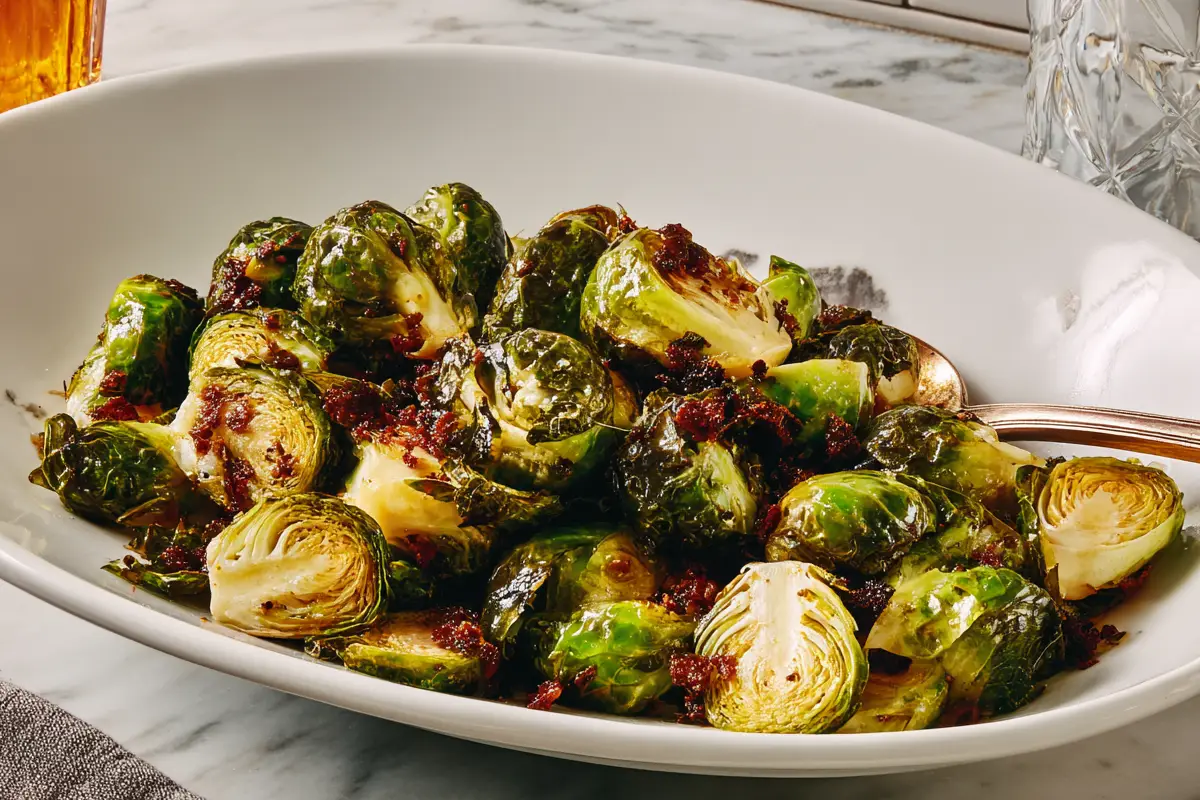
Table of contents
- The Recipe You Came Here For
- Why This Brussels Cabbage Recipe Is an Absolute Game-Changer
- A Little Prep Goes a Long Way Here
- Little Tricks That Make This Dish Genuinely Great
- Ways to Make This Recipe Your Own
- What to Serve Alongside This Dish
- Keeping It Fresh: Storage and Reheating
- Questions You Are Probably Already Thinking About
- Go Make It Tonight, You Will Not Regret It
The Recipe You Came Here For
Brussels Cabbage Recipe
4
servings10
minutes20
minutes165
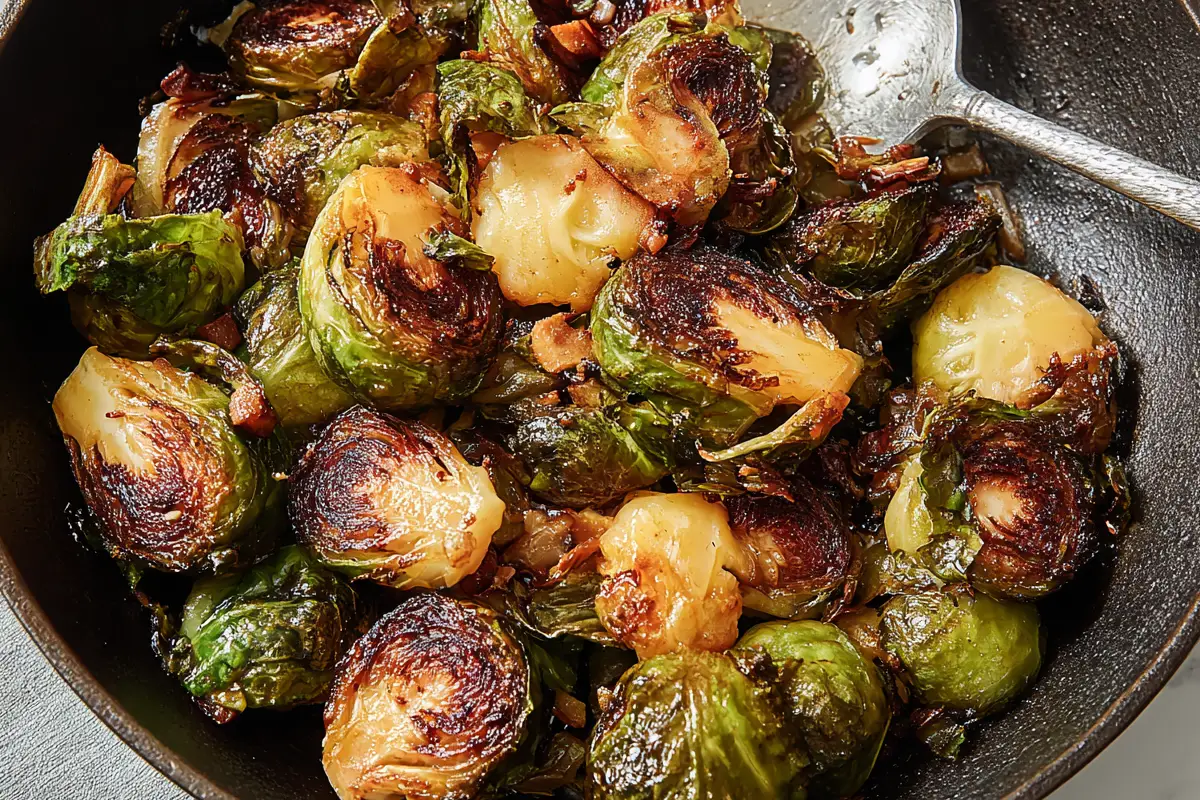
kcalThis brussels cabbage recipe brings together halved Brussels sprouts and shredded green cabbage in a hot buttered skillet until everything is golden, caramelized, and irresistible. It is a fast, flexible, and deeply savory vegetable side dish that works any night of the week.
Keep the screen of your device on
Ingredients
1 lb Brussels sprouts, trimmed and halved
3 cups green cabbage, thinly shredded (about 0.5 small head)
2 tbsp olive oil
1.5 tbsp unsalted butter
4 garlic cloves, minced
0.5 tsp red pepper flakes (optional)
0.75 tsp kosher salt, plus more to taste
0.25 tsp freshly ground black pepper
1 tbsp fresh lemon juice
1 tsp lemon zest
2 tbsp freshly grated Parmesan cheese (optional, for serving)
Fresh flat-leaf parsley, roughly chopped, for garnish
Directions
- Pat the Brussels sprouts completely dry with a paper towel to remove any surface moisture, this is essential for proper browning.
- Heat a large cast iron skillet over medium-high heat for about 2 minutes until properly hot. Add the olive oil and swirl to coat, then place the Brussels sprouts cut-side down in a single layer. Leave them undisturbed for 4 to 5 minutes until the cut sides develop a deep golden-brown crust.
- Add the butter to the pan and let it foam. Toss the Brussels sprouts to coat, then add the shredded cabbage in an even layer. Let it sit for 60 seconds, then toss everything together and cook for another 4 to 5 minutes, stirring every minute or so, until the cabbage is tender and golden at the edges.
- Push the vegetables to the outer edges of the pan and add the minced garlic and red pepper flakes to the center. Cook for 45 seconds, stirring constantly, until fragrant, then toss the garlic through the vegetables immediately. Season with kosher salt and black pepper.
- Remove the pan from the heat and add the lemon juice and lemon zest. Toss once more to combine. Transfer to a serving dish and finish with Parmesan and chopped parsley if using. Serve immediately.
Notes
- Do not crowd the pan. If your skillet is smaller than 12 inches, cook the Brussels sprouts in two batches before adding the cabbage. Overcrowding drops the pan temperature and steams the vegetables instead of browning them.
- The cut side of the Brussels sprouts must be flat against the pan. If any of them are rolling around, press them gently with a spatula for the first minute to encourage contact and browning.
- Savoy cabbage works beautifully here as a substitute for green cabbage. It has a slightly more delicate texture and a subtler flavor, the dish will be a little softer and more elegant.
- Add bacon for a smokier version. Cook 3 strips of chopped bacon in the skillet first, remove with a slotted spoon, and use the rendered fat in place of the olive oil. Return the bacon at the end with the lemon juice.
- Lemon zest is not optional. It might seem like a minor detail, but the zest adds a floral brightness that juice alone cannot achieve. A microplane makes this a five-second job.
- Parmesan is best added tableside, not in the pan. Adding it off the heat prevents it from clumping and ensures every serving gets a clean, salty finish.
Nutrition Facts
- Total number of serves: 4
- Calories: 165kcal
- Fat: 11g
- Saturated Fat: 3.5g
- Cholesterol: 12mg
- Sodium: 310mg
- Carbohydrates: 14g
- Fiber: 5g
- Sugar: 4g
- Protein: 5g
- Vitamin C: 95mg
- Iron: 1.8mg
Did you make this recipe?
Tag @therecipemasterblog on Instagram and hashtag it with #therecipemaster
Like this recipe?
Follow @therecipemasterblog on Pinterest
Follow us on Facebook!
Follow The Recipe Master on Facebook
Why This Brussels Cabbage Recipe Is an Absolute Game-Changer
Most vegetable side dishes fall into one of two camps: they are either boring or they are fussy. This brussels cabbage recipe is neither. It hits a sweet spot that takes a little bit of kitchen science to explain, and once you understand why it works, you will nail it every single time.
- The two-vegetable combination is the whole point. Brussels sprouts bring a slightly bitter, nutty flavor and hold their structure even at high heat. Shredded cabbage, on the other hand, is sweeter and more delicate, it wilts quickly and soaks up butter and seasoning like a sponge. Together, they create a dish with genuinely interesting texture: some bites are crispy and charred, others are silky and tender.
- High heat is non-negotiable. This recipe works because of the Maillard reaction, the same browning process that makes a seared steak taste so good. A hot skillet creates those golden, caramelized edges that turn both vegetables from bland to deeply savory. Low heat just steams them into a soggy mess.
- Butter and olive oil together beat either one alone. Olive oil raises the smoke point and gives the pan a neutral base, while butter adds richness and helps the vegetables brown evenly. This combination is what gives the dish its glossy, restaurant-quality finish.
- A hit of acidity at the end is essential. Fresh lemon juice or a small splash of apple cider vinegar added right before serving cuts through the richness of the butter and lifts the whole flavor profile. Skip this step and the dish tastes flat.
- Easily adaptable for most diets. To keep it vegan, simply swap butter for vegan butter or a bit more olive oil, the result is still delicious. For a low-carb, high-protein version, toss in some crumbled cooked bacon or diced pancetta in the first two minutes of cooking and let the fat render before adding the vegetables.
- They are genuinely good for you. Beyond the flavor, both Brussels sprouts and cabbage are Brussels sprouts are high in antioxidants, vitamin C, and fiber, making this one of those rare side dishes that tastes indulgent but is actually working in your favor nutritionally.
A Little Prep Goes a Long Way Here
This recipe moves fast once the pan gets hot, so doing a little prep work before you start cooking makes the whole process feel effortless. Nothing is more stressful than trying to shred cabbage while your skillet is already smoking.
- Shred the cabbage up to 2 days in advance. Store it in an airtight container or zip-lock bag in the refrigerator, it stays crisp and fresh with no issues.
- Trim and halve the Brussels sprouts the night before if needed. Place them in a container with a dry paper towel to absorb any moisture, and refrigerate. Dry sprouts brown better, so this actually improves the final result.
- Mince the garlic up to 24 hours ahead and store it in a small covered bowl in the fridge. If you prefer, a good garlic press works just as well right before cooking.
- Measure out your seasonings and lemon juice right before you start cooking. Once the pan is hot, this recipe moves quickly, usually 10 to 12 minutes from first sizzle to plate, so having everything within arm’s reach is the difference between a perfectly caramelized skillet and an accidentally overcooked one.
- Bring the vegetables to room temperature for about 15 minutes before cooking if you have time. Cold vegetables dropped into a hot pan can lower the skillet temperature and prevent proper browning.
Little Tricks That Make This Dish Genuinely Great
Honestly, the first time I made this recipe I dumped everything into the pan at once, stirred it constantly, and ended up with a pile of limp, pale vegetables that had zero caramelization and tasted like sadness. The good news is that every mistake I made taught me something specific, and these tips will save you from going through the same learning curve I did.
- Never stir the Brussels sprouts in the first 4 to 5 minutes. This is the single most important rule. The moment you start moving them around, you release steam and break the contact between the cut surface and the hot pan. That contact is what builds the crust. Set a timer and walk away.
- Your pan must be preheated before any oil goes in. Adding oil to a cold pan means the oil heats unevenly, and the vegetables absorb it instead of searing in it. Two minutes of dry preheating over medium-high heat makes a noticeable difference.
- Salt goes in after the initial browning, not before. Salting vegetables before they hit the pan draws out moisture, which works against the caramelization you are trying to build. Wait until the sprouts are golden and the cabbage has wilted before seasoning.
- Use a pan with a wide, flat base. A 12-inch cast iron skillet is ideal. Deep pans trap steam and work against the browning process. If cast iron is not available, a stainless steel skillet is the next best option, avoid nonstick pans here, as they cannot tolerate the high heat needed.
- Taste the cabbage before you add lemon juice. Cabbage varies in sweetness depending on the season and variety. If yours is already quite sweet, a full tablespoon of lemon juice might be right. If it leans more bitter, consider adding a small pinch of sugar alongside the lemon to balance things out.
- Do not skip the resting step. After plating, let the dish sit for 60 seconds before serving. The residual heat finishes the cooking gently and the flavors settle and deepen, much like resting a steak. It sounds minor but it is genuinely noticeable.
Ways to Make This Recipe Your Own
One of the things I love most about this brussels cabbage recipe is how well it takes to experimentation. The base is solid enough to support a lot of creative variations without losing what makes it work, and I have tested quite a few of them in my own kitchen. Start with the base recipe once to get the technique down, then let your curiosity take over.
- The Asian-Inspired Version. Swap the butter for sesame oil and replace the lemon juice with a mixture of soy sauce, rice vinegar, and a small drizzle of honey. Add a teaspoon of freshly grated ginger with the garlic. Finish with toasted sesame seeds and sliced scallions. The flavor becomes deeply savory, slightly sweet, and wonderfully umami-rich, it pairs beautifully with steamed rice or noodles.
- The Smoky Bacon and Caraway Version. Render 4 strips of chopped bacon in the skillet first, remove them, and use the fat as your cooking base. Add a half teaspoon of caraway seeds with the garlic. Return the bacon at the end with the lemon. This version tastes like something you would eat at a German beer hall, and it is extraordinary alongside braised pork or roasted chicken.
- The Creamy Parmesan Version. After adding the lemon juice, stir in 3 tablespoons of heavy cream and let it reduce for 60 seconds before plating. Finish with a generous amount of grated Parmesan. The result is richer and more indulgent, closer to a gratin in spirit, without the oven time.
- Add Kale for Extra Greens. If you love loading up on leafy cruciferous vegetables, toss in a couple of handfuls of thinly sliced lacinato kale along with the cabbage. It adds a slightly earthy, robust note and holds up well to the heat. If you enjoy building hearty green-forward dishes like this, you might also love this Chick-fil-A kale salad recipe, it uses a similarly bold, crunchy green base with a tangy dressing that would complement this dish beautifully.
- The Vegan Brown Butter Alternative. Use vegan butter, a good quality one like Miyoko’s, and cook it a little longer than you would dairy butter until it develops a nutty aroma. It does not brown quite the same way, but the result is still rich and deeply flavored, and the dish remains fully plant-based from start to finish.
- Spicy Harissa Variation. Stir a heaping teaspoon of harissa paste into the pan along with the garlic. The smoky, complex heat of harissa works extraordinarily well with the natural sweetness of caramelized cabbage, and the color it gives the dish is a deep, burnished red that looks stunning on the table.
What to Serve Alongside This Dish
This brussels cabbage recipe is assertive enough to hold its own but well-behaved enough to play nicely with almost anything on the table. I think of it as the side dish that quietly becomes the thing everyone talks about, and the right pairing makes it even better.
- Roasted or pan-seared chicken is the most natural companion here. The savory, slightly bitter caramelized vegetables cut right through the richness of the meat and balance every bite. If you are looking for a creamy, weeknight-friendly main to serve alongside this, this chicken cream cheese recipe is a fantastic option, the velvety, tangy sauce contrasts beautifully with the crispy edges of the Brussels sprouts and cabbage.
- A fried or poached egg on top turns this into a complete and satisfying light meal on its own. The yolk breaks over the vegetables and creates a rich, golden sauce that coats everything underneath. It is one of my favorite quick lunches, and it comes together in under 5 minutes on top of the base recipe.
- Crusty sourdough or a thick slice of toasted rye bread alongside is the move when you want something casual and comforting. Use the bread to scoop up the garlicky, buttery pan juices left in the skillet, that alone is worth making the dish for.
- Serve it with a simple grain. Farro, pearl barley, or even plain steamed white rice absorb the lemony, buttery cooking juices from the pan beautifully and turn this side dish into a genuinely filling vegetarian bowl. Add a handful of toasted pine nuts or slivered almonds for texture and it becomes a meal in itself.
- For holiday tables, this dish pairs naturally with roasted pork tenderloin, glazed ham, or a simple beef tenderloin. The slight bitterness of the vegetables offsets the sweetness of glazed meats in a way that feels intentional and sophisticated.
Keeping It Fresh: Storage and Reheating
Leftovers of this dish are genuinely worth saving, and with the right storage approach they hold up better than you might expect, though I will be honest, the crispy edges do soften overnight, so the reheating method matters a lot here.
Storage:
| Method | Details | Max Time | |
|---|---|---|---|
| Refrigerator | Airtight glass or ceramic container | Cool completely before storing. Avoid plastic, garlic and lemon absorb into it and leave a lingering odor. | 3 days |
| Freezer | Freezer-safe zip-lock bag, air pressed out | Texture softens significantly after thawing. Best repurposed into soups or grain bowls rather than served as a standalone side. | 6 weeks |
Reheating:
| Method | Details | Time | |
|---|---|---|---|
| Stovetop (recommended) | Skillet over medium-high heat with a small drizzle of olive oil | Spread in a single layer and leave undisturbed for 2 minutes before stirring. Recovers caramelization and brings edges back to life. | 5 minutes |
| Oven | Baking sheet at 400°F | Spread in a thin layer. Ideal for larger batches, edges crisp back up nicely under dry heat. | 8 to 10 minutes |
| Microwave | Loosely covered, 45-second intervals | Least ideal option, produces a softer, steamier texture. Add a fresh squeeze of lemon juice after reheating to brighten it back up. | 2 to 3 minutes |
Questions You Are Probably Already Thinking About
Yes. Roast the Brussels sprouts cut-side down at 425°F for 15 minutes, then add the shredded cabbage, small pieces of butter, and garlic. Return to the oven for another 10 to 12 minutes, then finish with lemon juice and zest. The flavor is slightly drier and more roasted, but equally delicious.
Usually it comes down to old sprouts or not enough browning. Always buy firm, tightly packed sprouts. If bitterness is a consistent issue, blanch them in salted boiling water for 2 minutes before searing, it mellows the flavor noticeably without affecting the final texture.
Absolutely. Red cabbage is denser and takes about 2 extra minutes to soften, but the result is stunning, deep purple against golden sprouts. It has a slightly more peppery flavor that works especially well in the smoky bacon variation.
The pan was not hot enough. Increase the heat to high, spread everything out thinly, and stop stirring until the liquid cooks off. Going forward, preheat the skillet properly and avoid overcrowding, both are the main culprits here.
Yes. Cook everything up to 2 hours ahead but pull it 3 minutes early. Just before serving, return the skillet to high heat for 3 to 4 minutes to re-crisp the edges, then add the lemon juice and zest at that final stage only.
Surprisingly well, actually. The savory garlicky vegetables sit nicely alongside eggs and toast. For a full brunch menu, these pumpkin pancakes balance the savoriness beautifully with their warm, spiced sweetness.
Go Make It Tonight, You Will Not Regret It
If there is one thing I hope you take away from this article, it is that great vegetables do not require complicated techniques or a long ingredient list, they just need the right heat, the right timing, and a little patience at the stove. This brussels cabbage recipe is proof of that. From the moment those Brussels sprouts hit the hot skillet cut-side down to the final squeeze of lemon that brightens the whole dish, every step has a purpose and a payoff you can taste.
Whether you go with the classic version, try the smoky bacon variation, or fold the leftovers into a frittata the next morning, this is the kind of recipe that earns a permanent spot in your weekly rotation. Give it a try this week, and if you find yourself eating it straight from the pan before it even makes it to the table, just know that you are in very good company.







Leave a Reply