

- Traditional comfort dish born from practical leftovers, warming British tables since the 1700s.
- Requires patience and layering flavors: slowly softened veg, browned beef, red wine, and glossy thick filling.
- Buttery, creamy mashed potato topping with ridges that brown for crisp texture contrast.
- Prep tips: chop veg, parboil potatoes, brown meat in batches, cook tomato paste, and rest before serving.
- Versatile: swap lamb for shepherd's pie, use lentils for vegetarian, sweet potato or cheddar for tasty variations.
Did you know that cottage pie has been warming British tables since the 1700s? It was originally created as a way to use up leftover roasted meat, a practical dish born from necessity that became one of the most beloved comfort foods in the world. Today, this cottage pie recipe is the kind of meal I reach for when the weather turns cold and the family needs something deeply satisfying.
This is not a quick weeknight meal. It’s a Sunday project, the sort of cooking that fills your home with an incredible smell and brings everyone to the table without being asked. It’s hearty, filling, and layered with flavor from the ground beef to the golden, buttery mash on top. Moreover, it’s the kind of dish that tastes even better the next day.
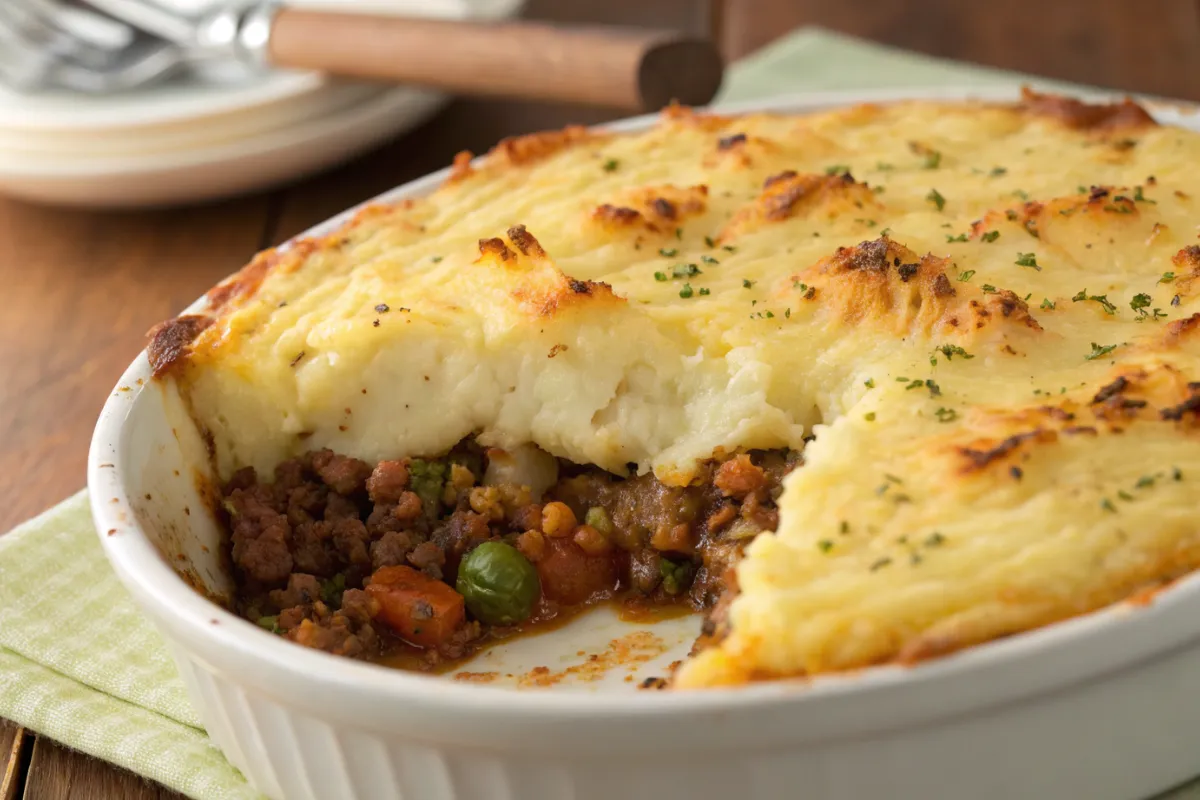
Table of contents
- Get Ahead: What to Prep Before You Start Cooking
- Cottage Pie Recipe Card
- Why This Cottage Pie Recipe Beats Every Other Version You’ve Tried
- Tips That Make All the Difference
- Brilliant Variations of the Classic Cottage Pie to Try Next
- Your Cottage Pie Recipe Questions, Answered
- Make It This Weekend – You Won’t Look Back
Get Ahead: What to Prep Before You Start Cooking
Cottage Pie Recipe
6
servings25
minutes1
hour480
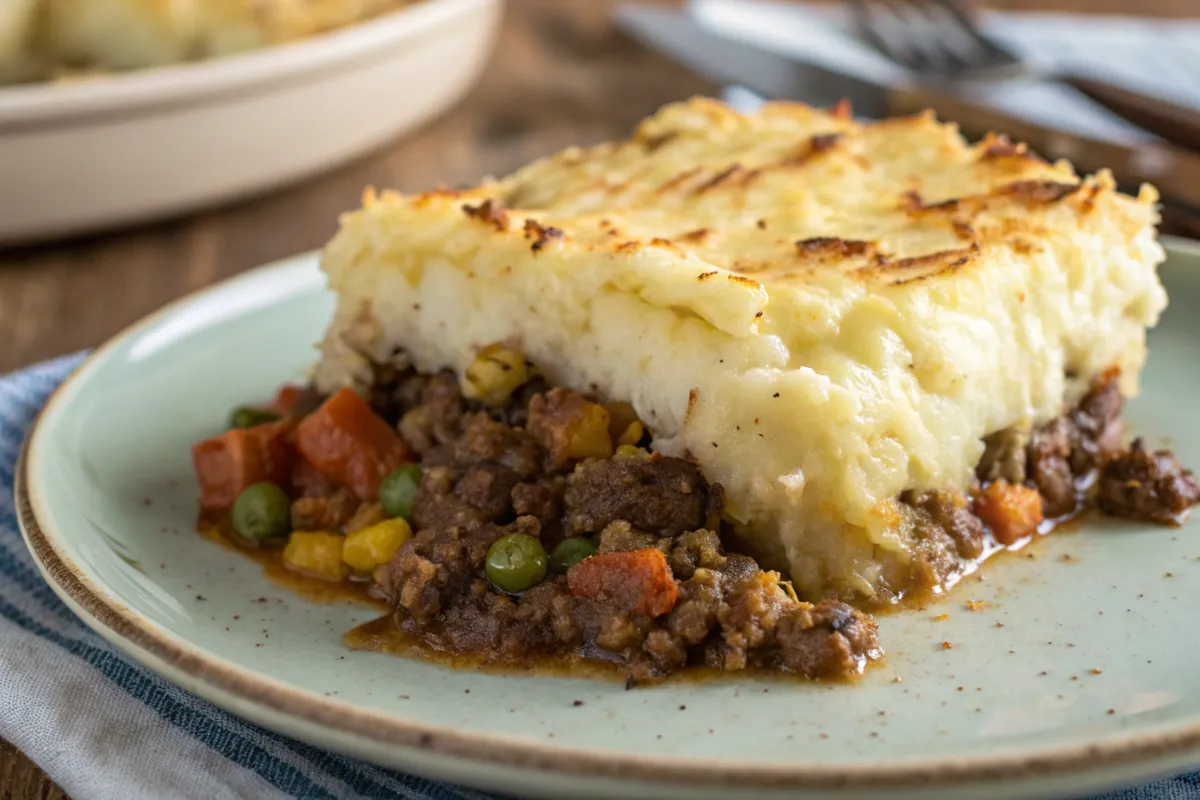
kcalThis classic cottage pie recipe layers a rich, wine-braised ground beef filling under a golden, buttery mashed potato crust. Comfort food at its very best.
Keep the screen of your device on
Ingredients
- For the filling:
1.5 lb (680 g) ground beef (80/20)
1 large onion, finely diced
2 medium carrots, finely diced
2 stalks celery, finely diced
3 cloves garlic, minced
2 tbsp tomato paste
0.75 cup red wine
1.5 cups beef stock
1 tbsp Worcestershire sauce
1 tsp fresh thyme leaves
1 tbsp olive oil
Salt and black pepper to taste
- For the mashed potato topping:
2.5 lb (1.1 kg) Yukon Gold potatoes, peeled and cubed
0.5 cup warm whole milk
3 tbsp unsalted butter
0.5 tsp white pepper
Salt to taste
Directions
- Start by preheating your oven to 400°F (200°C). While it heats up, get your potatoes boiling in a large pot of well-salted water. They’ll need about 20 minutes to get perfectly tender.
- Heat olive oil in a large, heavy-bottomed skillet or Dutch oven over medium-high heat. Add the ground beef in two batches, breaking it up and letting it brown properly. Don’t rush this, good color on the meat means good flavor in the pie. Season generously with salt and pepper, then remove and set aside.
- In the same pan, reduce the heat to medium and add the onion, carrot, and celery. Cook for 8–10 minutes, stirring occasionally, until the vegetables are soft and just beginning to caramelize. Add the garlic and cook for another minute, then stir in the tomato paste. Let that cook for 2 minutes, it should darken slightly and smell nutty.
- Pour in the red wine and let it bubble and reduce by half. Add the beef stock, Worcestershire sauce, and thyme. Return the browned beef to the pan. Stir everything together and simmer over low heat, uncovered, for 20 minutes until the sauce is thick and glossy. Taste and adjust seasoning.
- Meanwhile, drain your cooked potatoes and mash them with warm butter and milk until completely smooth. Season well with salt and white pepper.
- Transfer the beef filling to a deep baking dish (about 9×13 inches). Spoon the mashed potato over the top, spreading it evenly. Use a fork to create ridges across the surface. Place in the oven and bake for 25–30 minutes until the top is golden and the edges are bubbling. Let it rest for 10 minutes before serving.
Notes
- Make it ahead. The filling can be made up to 2 days in advance and stored in the fridge. Assemble with fresh mash, then bake as directed.
- Freeze it whole. Assemble the pie, cover tightly with foil, and freeze unbaked for up to 3 months. Bake from frozen at 375°F for 60–70 minutes.
- Choose the right potato. Yukon Gold potatoes make the creamiest mash. Russets work but can turn gluey if over-mashed.
- Red wine substitute. If cooking without alcohol, use an extra 0.75 cup of beef stock and a splash of balsamic vinegar for depth.
Nutrition Facts
- Fat: 22g
- Saturated Fat: 9g
- Sodium: 520mg
- Carbohydrates: 42g
- Fiber: 4g
- Sugar: 5g
- Protein: 28g
- Iron: 3.5mg
Did you make this recipe?
Tag @therecipemasterblog on Instagram and hashtag it with #therecipemaster
Like this recipe?
Follow @therecipemasterblog on Pinterest
Follow us on Facebook!
Follow The Recipe Master on Facebook
Cottage Pie Recipe Card
A cottage pie recipe involves a few components running at the same time. A little prep makes the whole process much smoother:
- Chop all vegetables first: onion, carrots, celery, and garlic. Have them in bowls ready to go.
- Peel and cube the potatoes and keep them in cold water to prevent browning. Do this up to a day ahead.
- Measure out your stock, wine, and Worcestershire sauce so you can pour them in without scrambling.
- Shred or grate a block of cheese if you plan to top your mash with cheddar for extra richness.
- Make the filling a day ahead. It reheats beautifully and actually tastes better after resting overnight.
Why This Cottage Pie Recipe Beats Every Other Version You’ve Tried
The biggest difference in this cottage pie recipe comes down to two things: patience and layering flavor. Most recipes rush the meat sauce. I don’t. I let the vegetables soften slowly, brown the beef properly, and then simmer everything with red wine, beef stock, and Worcestershire sauce until the filling becomes thick, glossy, and deeply savory.
The mashed potato topping uses warm butter and cream for a silky finish. I pipe or fork it on top so the ridges catch the oven heat and go golden and slightly crisp, that contrast of textures is everything.
For customization, this recipe is flexible. Swap ground beef for ground lamb for a richer, gamier version. Use lentils and vegetable stock for a fully plant-based cottage pie. Add a layer of peas or corn to the filling for extra texture. According to BBC Good Food, the key distinction between cottage pie and shepherd’s pie is the protein, beef versus lamb, and both deserve to be made well.
Tips That Make All the Difference
These are the details that separate a good cottage pie from an unforgettable one:
- Brown the beef in batches. Crowding the pan steams the meat instead of browning it. Color equals flavor.
- Cook out your tomato paste. Fry it with the vegetables for 1–2 minutes before adding liquid. It deepens the savory base dramatically.
- Season the mash well. Bland mash ruins a good filling. Salt, butter, and a touch of white pepper are non-negotiable.
- Rest the finished pie for 10 minutes before serving. It makes slicing cleaner and lets the filling settle.
- Use a fork to create ridges on top of the mash. The peaks brown faster and create the best texture contrast.
- Don’t skip the red wine. It adds complexity that stock alone can’t replicate.
Brilliant Variations of the Classic Cottage Pie to Try Next
Shepherd’s Pie (The Lamb Version)
The Shepherd’s pie is the closest cousin to cottage pie and arguably just as iconic. Replace the ground beef with ground lamb and add a pinch of fresh rosemary to the filling. Lamb has a naturally deeper, gamier flavor that pairs beautifully with a creamy mash. This is the version often served in traditional British pubs, and for good reason, it’s extraordinary.
Vegetarian Cottage Pie Recipe
Use brown lentils and finely chopped mushrooms in place of the beef. Mushrooms provide a meaty umami hit, while lentils give the filling body and protein. Use vegetable stock and a splash of balsamic vinegar instead of red wine. The result is hearty, flavorful, and completely plant-based without feeling like a compromise.
Sweet Potato Cottage Pie
Swap the classic mashed potato topping for whipped sweet potato. Add a pinch of smoked paprika and a knob of butter to the sweet potato for a topping that’s slightly sweet, smoky, and vibrant orange. It looks stunning and adds a nutritional boost thanks to the beta-carotene in sweet potatoes, Healthline notes that sweet potatoes are one of the most nutrient-dense root vegetables available.
Cheesy Cheddar-Topped Cottage Pie
This is the crowd-pleaser version. Fold mature cheddar cheese into the mash and then sprinkle more on top before baking. The cheese forms a golden, bubbling crust that pulls apart in strings. Kids go absolutely wild for it, and honestly, so do adults.
Individual Mini Cottage Pies
Make the same filling and mash but divide everything between individual ramekins or oven-safe mugs. These are perfect for dinner parties, meal prepping, or impressing guests with minimal extra effort. They bake faster (about 20 minutes) and serve up beautifully on their own plate.
Your Cottage Pie Recipe Questions, Answered
The main difference is the protein. A cottage pie recipe uses ground beef, while shepherd’s pie uses ground lamb. The name “cottage pie” is thought to come from the cottages where working-class families lived, and the dish was made with affordable cuts of meat. Both pies use a mashed potato topping and a similar savory vegetable-and-gravy filling, but the flavor profiles are distinct, beef is richer and meatier, while lamb is gamier and more aromatic.
This happens when the filling is too thin or the mash is too soft. Make sure your filling is thick and slightly cooled before topping. Your mash should be firm enough to hold its shape, not runny. If your mash feels loose, let it cool slightly before spreading it over the filling.
Yes, and it freezes exceptionally well. You can freeze it either before or after baking. To freeze before baking, assemble the pie fully, wrap it tightly in foil, and freeze for up to 3 months. To freeze after baking, let it cool completely, then store in portions. Reheat in the oven at 350°F until heated through, about 30–40 minutes.
Make It This Weekend – You Won’t Look Back
There is something genuinely wonderful about pulling a golden, bubbling cottage pie recipe out of the oven and setting it on the table. It’s the kind of meal that turns an ordinary evening into something memorable. It takes a little time, but every minute is worth it.
Once you’ve nailed the classic, try the sweet potato version or go full cheesy cheddar on the next batch. And if you have lamb lovers in the house, the shepherd’s pie variation is an equally stunning Sunday meal.








Leave a Reply