

Did you know that pasta primavera wasn’t actually born in Italy? It was famously created in New York City during the 1970s. This vibrant dish represents the “springtime” of Italian-American cuisine. I love making pasta primavera because it is a quick weeknight meal that feels like a festive dish due to its rainbow of colors. It serves as a fantastic healthy comfort food option when you want something satisfying yet packed with nutrients. As a chef, I find this recipe is the ultimate way to celebrate peak produce.
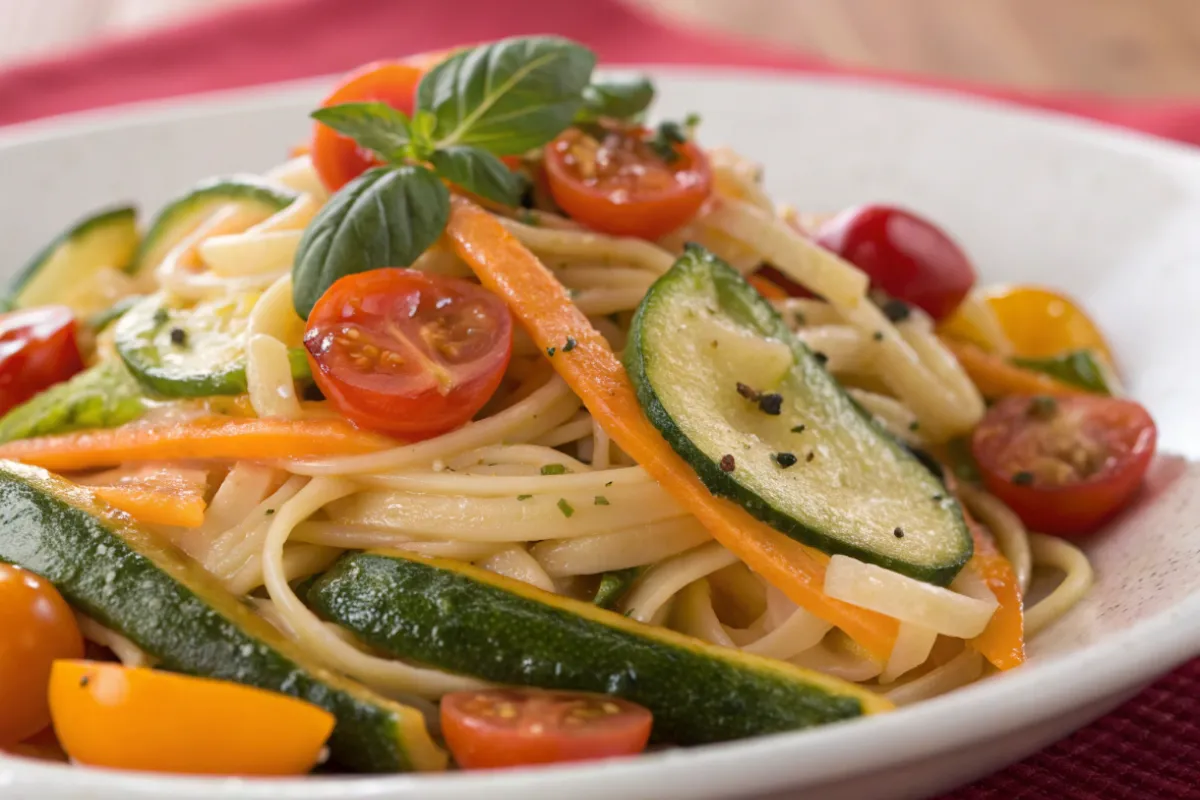
Table of contents
Your Spring Veggie Checklist
To ensure your pasta primavera comes together in under 20 minutes, focus on your knife work beforehand.
- Uniform Slicing: Slice your zucchini and carrots into thin half-moons so they cook rapidly.
- The Pasta Water Secret: Always set aside 1.0 cup of starchy pasta water before draining. This is your “liquid gold” for the sauce.
- Herb Freshness: Chop your parsley and basil last. This prevents them from bruising or losing their aromatic oils.
- Garlic Prep: Mince your garlic and let it sit for 5.0 minutes to activate its health-promoting compounds.
Pasta Primavera Recipe Card
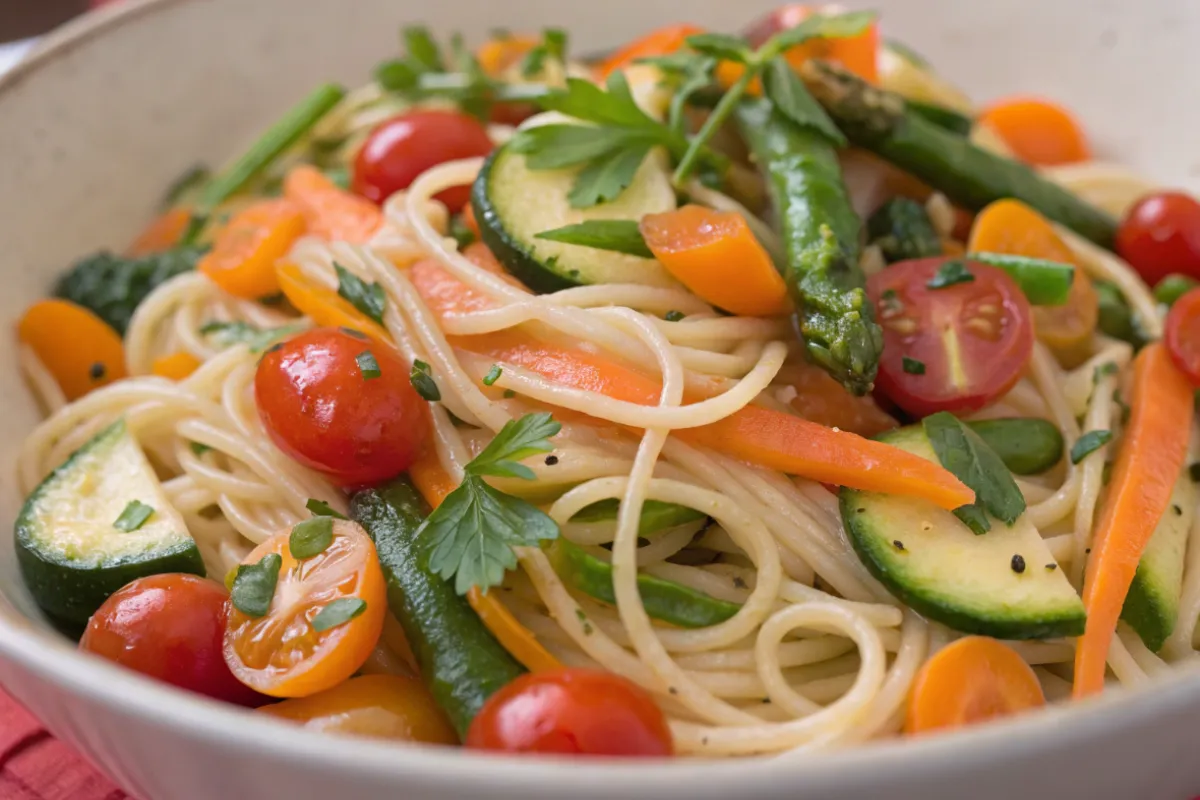
Pasta Primavera Recipe
4
servings15
minutes15
minutes410
kcalA light, vibrant, and healthy pasta primavera featuring a medley of sautéed vegetables and a delicate lemon-parmesan glaze.
Keep the screen of your device on
Ingredients
12.0 oz Penne or Fusilli pasta
2.0 cups Broccoli florets
2.0 large Carrots (julienned)
1.0 Yellow bell pepper (sliced)
1.0 Zucchini (sliced into half-moons)
1.0 cup Frozen peas (thawed)
3.0 cloves Garlic (minced)
0.25 cup Extra virgin olive oil
2.0 tablespoons Unsalted butter
0.5 cup Grated parmesan cheese
1.0 tablespoon Lemon juice
1.0 teaspoon Lemon zest
0.25 cup Fresh parsley (chopped)
Directions
- First, bring a large pot of salted water to a boil. Add your pasta and cook it for about 6.0 minutes.
- During the last 2.0 minutes of the pasta boiling, throw your broccoli and carrots directly into the same pot. This is a chef’s trick to par-cook the hard veggies.
- Before draining, carefully scoop out 1.0 cup of the pasta cooking water and set it aside. Drain the pasta and veggies together.
- In a large skillet over medium heat, add the olive oil. Sauté the zucchini and bell peppers for about 4.0 minutes until they are tender-crisp.
- Add the minced garlic and frozen peas to the skillet. Stir constantly for 1.0 minute so the garlic smells amazing but doesn’t burn.
- Add the cooked pasta, broccoli, and carrots into the skillet. Pour in 0.5 cups of the reserved pasta water and the butter.
- Toss everything together vigorously. The starch in the water and the melting butter will form a light, silky sauce that clings to the pasta primavera.
- Turn off the heat. Stir in the parmesan cheese, lemon juice, zest, and parsley.
- If the sauce looks too thick, add a little more of the remaining pasta water until it reaches your desired consistency.
Notes
- Veggie Prep: Ensure all vegetables are roughly the same size for even cooking.
- Pasta Choice: Short pasta shapes like penne or fusilli work best because they “catch” the small pieces of vegetables.
- Vegan Option: Omit the butter and cheese; use 2.0 tablespoons of nutritional yeast and extra olive oil.
Nutrition Facts
- Fat: 18g
- Sodium: 310mg
- Carbohydrates: 52g
- Protein: 12g
Did you make this recipe?
Tag @therecipemasterblog on Instagram and hashtag it with #therecipemaster
Like this recipe?
Follow @therecipemasterblog on Pinterest
Follow us on Facebook!
Follow The Recipe Master on Facebook
Why Fresh is Best
The magic of this pasta primavera lies in the staggered cooking of the vegetables. Many recipes fail because they toss everything in at once, leading to mushy peppers and raw carrots. We blanch the harder vegetables in the pasta water. This technique saves time and seasons the veggies from the inside out.
This dish is a masterclass in customization. You can easily make it vegan by swapping butter for a high-quality olive oil and using nutritional yeast. If you are watching your carbohydrate intake, using a chickpea-based pasta adds extra protein and fiber. This pasta primavera is superior because it uses a light emulsion of pasta water and parmesan rather than a heavy, cloying cream sauce.
Chef Secrets for the Perfect Pasta Primavera
- Don’t Overcook the Pasta: Stop boiling the pasta 2.0 minutes before the box says it is “al dente.” It will finish cooking in the pan with the vegetables.
- Brighten with Acid: A squeeze of fresh lemon juice at the very end is non-negotiable. It cuts through the butter and makes the vegetable flavors pop.
- Cold Butter Finish: Stir in a knob of cold butter after turning off the heat. This creates a glossy, restaurant-style finish on your pasta primavera.
- Season in Layers: Add a tiny pinch of salt to the veggies as they sauté, not just at the end.
Recipe Remixes
The Winter Harvest Version
Substitute the zucchini and peas with roasted butternut squash and kale. Use a sage-infused brown butter sauce instead of lemon. This variant proves that pasta primavera isn’t just for April.
The Protein-Packed Shrimp Primavera
Sauté 1.0 lb of large shrimp with red pepper flakes before starting the vegetables. The shellfish adds a savory depth and makes the meal feel even more like a festive dish.
The Pesto Power Variant
Instead of the lemon-parmesan sauce, stir in 0.5 cups of fresh basil pesto. It coats the veggies beautifully and adds a punch of garlic and pine nut flavor.
Serve this with my Veggie flatbread for the ultimate comfort meal. If you liked this quick pasta, you might also enjoy making Blackstone Tortellini on the Griddle!
Troubleshooting Your Pasta Primavera
It translates to “Spring Pasta” in Italian, referring to the fresh, seasonal vegetables used in the dish.
Unlike Alfredo, this sauce is usually a light emulsion of olive oil, butter, lemon juice, and starchy pasta water.
Add a splash of water or broth before microwaving or reheating on the stove. This prevents the pasta from drying out.
Grilled chicken or sautéed shrimp are the most popular additions to pasta primavera.
The Perfect Finish
I hope this pasta primavera brings a burst of freshness to your dinner table. There is nothing more rewarding than a meal that is both beautiful to look at and incredible to eat. It is a reminder that simple, high-quality ingredients are often the best.


Leave a Reply