

- Simple, repeatable method with weight-based ginger measurements for consistent, balanced flavor.
- Gentle simmering yields smoother tea; longer boiling converts gingerols to spicier shogaols.
- Highly customizable—add lemon, honey, turmeric, mint, or make syrups and iced or latte variations.
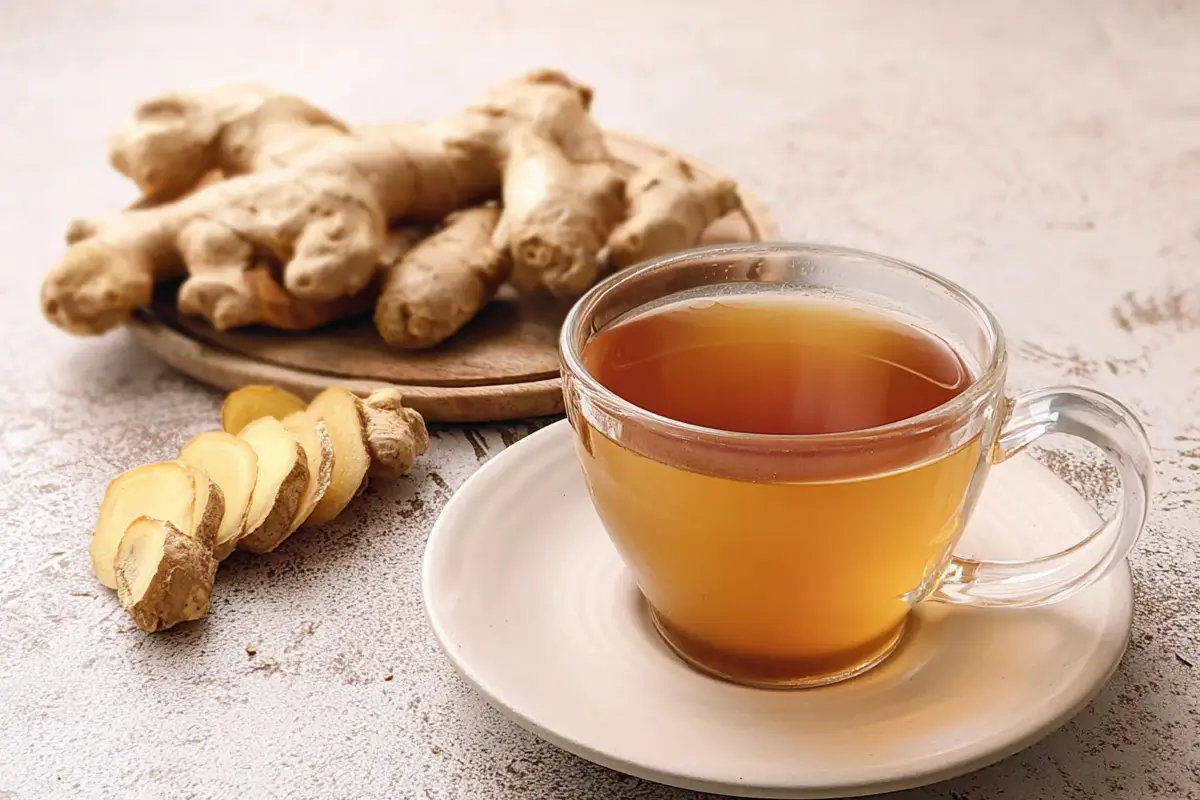
This ginger tea recipe is the kind of thing I start making the minute the weather turns crisp, or honestly, anytime I want something warm that tastes like it’s doing me a favor. The first time I made it in my tiny New York kitchen, I used way too much ginger and turned my “cozy cup” into a spicy dare. Still, I loved it, because ginger has that bold, peppery warmth that wakes up your whole mouth.
Since then, I’ve landed on a version that’s strong but balanced, with a clean ginger bite and a gentle sweetness if you want it. It’s perfect for a quick weeknight wind-down, a slow weekend morning, or that mid-afternoon slump when coffee feels like too much. Plus, you can dress it up with lemon, honey, or even turmeric, depending on your mood.
Disclaimer: This article is for informational purposes only and is not intended to be a substitute for professional medical advice, diagnosis, or treatment. Always consult your healthcare provider before starting any herbal remedy, especially if you are pregnant, nursing, have a medical condition, or are taking medication.
Table of contents
- Why this ginger tea always hits the spot
- What to prep ahead (so you’re not rushing later)
- Let’s Make This Special Tea
- Alternative prep methods (beyond stovetop)
- Pro tips so your stovetop ginger tea tastes like you meant it
- Variations that keep it exciting (without getting fussy)
- How I love to serve ginger tea (and make it feel a little special)
- Storing ginger and tea the smart way (so it doesn’t get sad)
- Ginger tea recipe FAQs
- Before you go, make this ginger tea your own
Why this ginger tea always hits the spot
I’ve made ginger tea a bunch of ways, and this version keeps winning because it’s simple, flexible, and reliably flavorful. Plus, it follows your mind map perfectly: simmer it for depth, or steep it in a mug when you want the fastest path to cozy.
- Two methods, same great payoff. Simmering creates a deeper, rounder ginger flavor, while mug-steeping stays brighter and lighter.
- Consistent results with real measurements. Ginger roots vary a lot, so “1-inch” can be wildly different. I’ll include both length and weight so readers can repeat it exactly.
- Easy to customize without making it complicated. You can go soothing (honey + lemon), spicy (more ginger), or extra “wellness-y” (turmeric + black pepper).
- It scales up well. Make one mug or a whole pitcher for the fridge.
- It’s naturally caffeine-free. That makes it perfect for evenings, especially when you want something warm but don’t want to be up at midnight staring at the ceiling.
Customization ideas (diet + preference-friendly):
- Lower sugar: skip sweetener or use monk fruit/stevia (I’ll note the flavor differences so it doesn’t taste “off”).
- Anti-inflammatory combo: turmeric + a pinch of black pepper for balance and warmth.
- Extra bright: lemon added at the end.
- Cooling option: mint and serve over ice.
And yes, I’m also adding a quick, readable note later about gingerol and heat: longer, harder boiling tends to make ginger tea taste hotter/spicier than a gentler simmer.
What to prep ahead (so you’re not rushing later)
This recipe is easy either way, but a little prep makes it feel effortless, like you can have a great cup even on your busiest day.
Before you start, here’s what I like to do:
- Pick great ginger at the store. Look for pieces that are firm, smooth, and slightly shiny. Avoid ginger that’s wrinkly, soft, shriveled, or moldy.
- Know your ginger type (it changes the tea!).
- Mature ginger (most common in US grocery stores): stronger bite, thicker skin, more fibers, makes a bolder tea.
- Young/spring ginger (sometimes at Asian markets or specialty stores): thinner skin, less fibrous, milder flavor, makes a gentler, cleaner cup.
- Peeling is optional. If the skin looks fresh and clean, a good scrub is enough. If it’s rough or dusty, peel it.
- Decide on your ginger cut based on your mood.
- Thin slices: clean flavor, easy to strain (my default).
- Grated ginger: stronger and faster infusion, but you’ll want a finer strainer.
- Set your “strength dial” ahead of time (with a real measurement).
- Mild: 10–15 g ginger (about a 1-inch piece if it’s average thickness)
- Strong: 20–30 g ginger
This way, readers aren’t stuck guessing based on ginger size.
- Prep your sweetener choice. Honey is classic, but if you want something that dissolves instantly (especially for iced ginger tea), a simple syrup is clutch, and your brown sugar syrup is perfect for that cozy caramel note: easy brown sugar syrup recipe.
- Optional “extras” to have ready: lemon wedges, cinnamon stick, mint, turmeric, black pepper, apple cider vinegar (just a splash).
Let’s Make This Special Tea
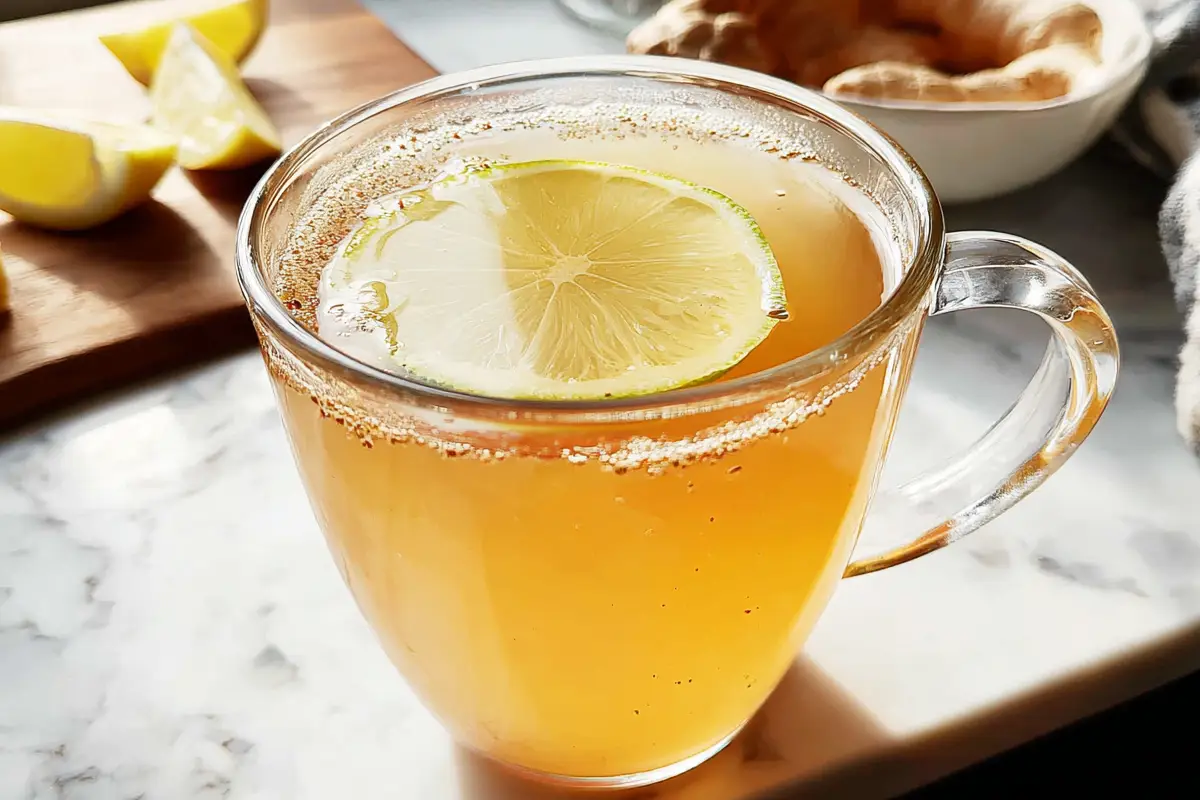
Fresh Ginger Tea Recipe (Stovetop Method)
2
servings5
minutes10
minutes5
kcalA cozy ginger tea recipe made with fresh ginger for a bright, spicy sip, perfect with lemon, honey, or any sweetener you love.
Keep the screen of your device on
Ingredients
720 ml water (3 cups)
20 g fresh ginger (about a 2-inch piece, average thickness), thinly sliced or grated
15 ml lemon juice (1 tbsp), optional
21 g honey (1 tbsp), optional (or maple syrup to taste)
Pinch fine salt, optional (tiny pinch helps round the flavor)
Directions
- start by slicing the ginger thinly (or grating it if you want a stronger, faster infusion).
- Add the ginger and water to a small saucepan, then bring it up to a gentle simmer.
- Once it’s simmering, keep it there for about 5 minutes for a lighter tea, or up to 15 minutes for a bolder, spicier cup. I like to taste it around the 8–10 minute mark, because ginger can go from “pleasantly warm” to “wow, that’s powerful” pretty quickly.
Notes
- Length + weight matter: “2 inches of ginger” can be skinny or huge, so 20 g is the reliable anchor. Use 10–15 g for mild tea and 25–30 g for strong.
- Slices vs. grated: Sliced ginger is easier to strain and tastes clean. Grated ginger extracts faster and hits harder.
- Gingerol + heat (the simple version): A gentle simmer tends to keep the flavor smoother. Longer/higher heat usually makes the tea taste spicier and more intense.
- Lemon timing: Add lemon after straining so it stays bright instead of tasting flat.
- Tiny pinch of salt: Optional, but it can make the tea taste rounder, especially if you’re drinking it unsweetened.
Nutrition Facts
- Total number of serves: 2
- Calories: 5kcal
- Carbohydrates: 1g
Did you make this recipe?
Tag @therecipemasterblog on Instagram and hashtag it with #therecipemaster
Like this recipe?
Follow @therecipemasterblog on Pinterest
Follow us on Facebook!
Follow The Recipe Master on Facebook
Alternative prep methods (beyond stovetop)
- Mug method: Put grated ginger (or very thin slices) directly into a mug, then pour boiling water over it. Cover the mug with a small plate so the steam stays trapped, and let it steep for about 10 minutes. This version tastes a little fresher and sharper than simmering, which can be really nice if you’re adding lemon. When it tastes right to you, strain the tea through a fine sieve. Then stir in honey or your sweetener of choice while it’s still warm (or add sweetener after chilling if you’re making iced tea). If you’re using lemon, add it at the end so the flavor stays bright. Serve hot right away, or let it cool and pour it over ice.
- Electric kettle with infuser: Add sliced ginger to the infuser, pour boiling water, steep 10–15 minutes.
- Microwave (dorm/office-friendly): Mug + ginger + water, microwave until steaming hot, cover and steep 10 minutes, then strain.
- Instant Pot (big batch): Ginger + water, pressure cook briefly then natural release for a strong batch (great for meal prep).
Pro tips so your stovetop ginger tea tastes like you meant it
If ginger tea has ever come out weirdly flat, painfully spicy, or just “hot water with vibes,” it usually isn’t the ginger’s fault, it’s the prep. Luckily, this is one of those recipes where tiny tweaks make a big difference. Once you dial in your ginger amount and simmer time, you’ll get the exact cup you want every single time.
- Use weight when you can: Aim for 20 g ginger for a solid, balanced batch (2 mugs). Go 10–15 g for mild, 25–30 g for strong.
- Slice thin for clean flavor: Thin coins infuse evenly and strain easily. Grated ginger is stronger, but it can taste a bit “cloudier.”
- Simmer gently, don’t aggressively boil: A rolling boil can push the tea toward a sharper, more fiery profile.
- Taste before you sweeten: Ginger intensity changes fast. Taste at 5 minutes, then again around 10 minutes so you stop it where you like it.
- Add lemon last: Lemon tastes brighter when it goes in after simmering and straining.
- Sweetener strategy: Honey tastes best stirred in warm (not boiling) tea; simple syrup dissolves best for iced tea.
- Don’t toss the ginger right away: You can reuse it once (details below) or repurpose it in food.
- Ginger selection: young vs. mature
- Mature ginger = stronger bite, more fibers (great for bold stovetop tea).
- Young ginger = milder, cleaner, less fibrous (great if you want a gentle cup).
- Reusing the ginger (budget + less waste): After your first simmer, you can re-simmer the same ginger in fresh water for a second batch. It’ll be noticeably lighter, so let it go a little longer (think 15–20 minutes) or combine it with fresh ginger for a “half-and-half” approach. You can also chop the leftover ginger and toss it into a stir-fry or blend it into a smoothie.
Fresh ginger’s signature warmth comes largely from compounds called gingerols, but when you simmer ginger longer (or boil it harder), some gingerols can convert into shogaols, which tend to taste spicier and more intense, here’s the research on gingerols converting to shogaols with heat. That’s why your tea can go from “gently warming” at 5 minutes to “okay, hello spice” at 15. So if you want a smoother cup, keep it at a gentle simmer and start tasting early, and if you want maximum kick, let it ride a bit longer.
Variations that keep it exciting (without getting fussy)
Once you’ve got the basic stovetop version down, this is where it gets fun. You can keep it classic and soothing, or you can steer it spicy, citrusy, minty, or even fizzy. Better yet, most add-ins are pantry staples, so experimenting doesn’t feel like a project.
- Ginger + lemon + honey (the classic “cozy” cup)
- Flavor/texture: Bright, balanced, soothing.
- How to do it: Simmer ginger as usual, strain, then add lemon and honey to taste.
- Ginger + cinnamon (warm and bakery-like)
- Flavor/texture: Sweeter aroma, softer spice, very “wintery.”
- How to do it: Add 1 small cinnamon stick during the last 5 minutes of simmering, then strain.
- Ginger + turmeric + black pepper (golden-style)
- Flavor/texture: Earthy warmth, deeper color, more savory edge.
- How to do it: Add 2–3 g turmeric (about 1 tsp fresh grated or 1/2 tsp ground) while simmering, plus a tiny pinch of black pepper at the end.
- Ginger + mint (fresh and cooling)
- Flavor/texture: Clean, refreshing finish, great hot or iced.
- How to do it: Simmer ginger, strain, then steep a handful of mint leaves in the hot tea for 2–3 minutes.
- Ginger + apple cider vinegar splash (tangy and punchy)
- Flavor/texture: Bright tang that makes it feel extra “wakeup.”
- How to do it: Add 1–2 tsp after straining (start small).
- Ginger tea latte vibe (no coffee, just cozy)
- Flavor/texture: Creamy, mellow, less sharp.
- How to do it: Make strong ginger tea (use 25–30 g), then top with warmed milk or oat milk and a pinch of cinnamon.
- Chai-leaning ginger tea (spiced like a café drink)
- Flavor/texture: More complex spice, slightly sweet-smelling.
- How to do it: Add cinnamon + a few crushed cardamom pods + a clove during simmering, then sweeten. If you love that café-style spice profile, you’d probably also enjoy this homemade version on another day: Starbucks chai latte recipe copycat.
- Fizzy ginger “tea soda” (mind map ginger ale moment)
- Flavor/texture: Sparkly, refreshing, less “tea,” more homemade soda.
- How to do it: Make a strong stovetop ginger tea, chill it, then mix half-and-half with sparkling water and sweeten to taste. For a naturally bubbly, fermented route, a ginger starter is the fun rabbit hole: ginger bug recipe.
- Non-alcoholic “hot toddy” style (same cozy idea, teen-safe)
- Flavor/texture: Cozy, citrusy, soothing, without alcohol.
- How to do it: Add lemon + honey, and a pinch of cinnamon. Optional: a slice of orange.
- If you want a bolder variation with extra heat, Bon Appétit has a fun take on spicy ginger tea that’s great inspiration.
How I love to serve ginger tea (and make it feel a little special)
Ginger tea is great all on its own, but it’s even better when you treat it like an actual “moment,” not just something you sip while answering emails. So depending on whether you’re going cozy, refreshing, or snacky, here are my favorite ways to serve it.
- With a citrus “sidecar”: Put lemon wedges and orange slices on a little plate so everyone can squeeze in what they want. It makes the whole thing feel café-ish without trying too hard.
- With something creamy on the side: A splash of oat milk or warm milk in the tea is lovely, but I also like serving ginger tea alongside something creamy (like yogurt with fruit) to balance the ginger heat.
- With a sweet dessert pairing: Ginger’s spice plays really nicely with chocolate and anything milky. If you’re doing ginger tea as an after-dinner drink, a small slice of something like this mocha tres leches recipe is honestly such a good match, the tea cuts the richness in the best way.
- As an iced “refresh” setup: Chill strong ginger tea, pour over ice, then let people choose sparkling water, mint, or a touch of syrup. It feels like a homemade drink bar, and it’s fun.
Storing ginger and tea the smart way (so it doesn’t get sad)
Ginger is one of those ingredients that can either last forever… or shrivel in two days if it’s stored wrong. Here’s what actually works.
Short-term ginger storage (fridge):
- Keep unpeeled ginger dry and protected. A paper bag inside a looser produce bag works well because it limits moisture buildup (mold’s best friend) while preventing the ginger from drying out.
- If you’ve cut a piece, wrap the cut end tightly and store it in the fridge.
Long-term ginger storage (freezer):
- Freeze ginger whole (unpeeled is fine). When you need it, grate it straight from frozen, no thawing, no mess.
- Frozen ginger is amazing for tea because it grates easily and infuses fast.
Storing brewed ginger tea:
- Let it cool, then store in a sealed container in the fridge for up to 3–4 days.
- For iced tea, brew it a little stronger so it doesn’t taste watery once it hits ice.
Bonus: “instant” ginger tea syrup (prep-ahead win)
- Simmer ginger with water and your sweetener until it becomes a concentrated syrup, then stash it in the fridge. Later, you just stir a spoonful into hot water (or sparkling water) and you’ve got ginger tea in seconds. This is especially handy if you’re making it daily.
Ginger tea recipe FAQs
Not always. If the skin is smooth and the ginger is firm, a good scrub is enough. Peel it if it’s wrinkly, dusty, or you just prefer a cleaner taste.
Slices make a clearer, cleaner tea and are easy to strain. Grated ginger extracts faster and tastes stronger, but it can make the tea slightly cloudy and more intense. If you’re unsure, start with thin slices and adjust from there.
For most people, ginger in normal food amounts is fine, but very strong tea can trigger heartburn or stomach irritation. People taking blood thinners or managing issues like gallstones or significant reflux/ulcers may want to limit it or check with a clinician before making strong ginger tea a daily habit. For a clear, evidence-based overview of ginger’s usefulness and safety, the NIH has a great resource.
Heat doesn’t make ginger “useless,” but it does change it. Longer/higher heat can shift ginger’s compounds so the tea tastes spicier and more intense, which is why gentle simmering gives a smoother cup. If you’re aiming for balance, keep it at a simmer (not a hard boil) and stop when it tastes right.
It can be, especially if you want a milder ginger flavor without that hot “burn.” Cold-steeping takes longer (think a few hours in the fridge) and tends to taste fresher and softer. It’s a nice option for summer, but you usually need more ginger or more time than hot methods.
Sometimes, yes, but it depends on the person. A mild ginger tea can feel soothing for some IBS symptoms, while a strong brew may worsen reflux or sensitivity in others. Start small, see how you respond, and for a research-based perspective you can reference evidence on ginger and gastrointestinal function.
Before you go, make this ginger tea your own
If there’s one thing I hope you take from this ginger tea recipe, it’s that you don’t have to overthink it to get a really good cup. Once you use the weight-based ginger measurement and start tasting as it simmers, you’ll be able to make it exactly how you like it, mellow and smooth, or bold and spicy. And because it’s so easy to customize with spices, citrus, or even a chilled version for later, it can fit into your day in a bunch of different ways.
If you try it, I’d love for you to treat the first batch like a little experiment: pick your simmer time, pick your add-ins, and write down what you loved so your next cup is even better.






Leave a Reply