

- Use a fat trifecta: butter, oil, and sour cream for a tender, moist crumb that stays soft even after refrigeration.
- Rub lemon zest into sugar to release oils and infuse the entire crumb with citrus aroma and depth.
- Add lemon extract alongside juice and zest so citrus flavor survives baking and delivers bakery-style punch.
- Keep ingredients room temperature to maintain a stable emulsion and prevent a broken, heavy batter.
After years of obsessing over the perfect crumb in my test kitchen, I’ve finally cracked the code. We’ve all had that famous green-apron version, it’s iconic, but often leans towards being “oily” rather than truly moist, or lacks that authentic citrus “zing.” After my tenth trial, I discovered that achieving the Lemon Loaf Starbucks Copycat that actually tastes better than the original requires a deep dive into culinary emulsions and flavor extraction.
We aren’t just making a cake; we are engineering a masterpiece of citrus and fat.
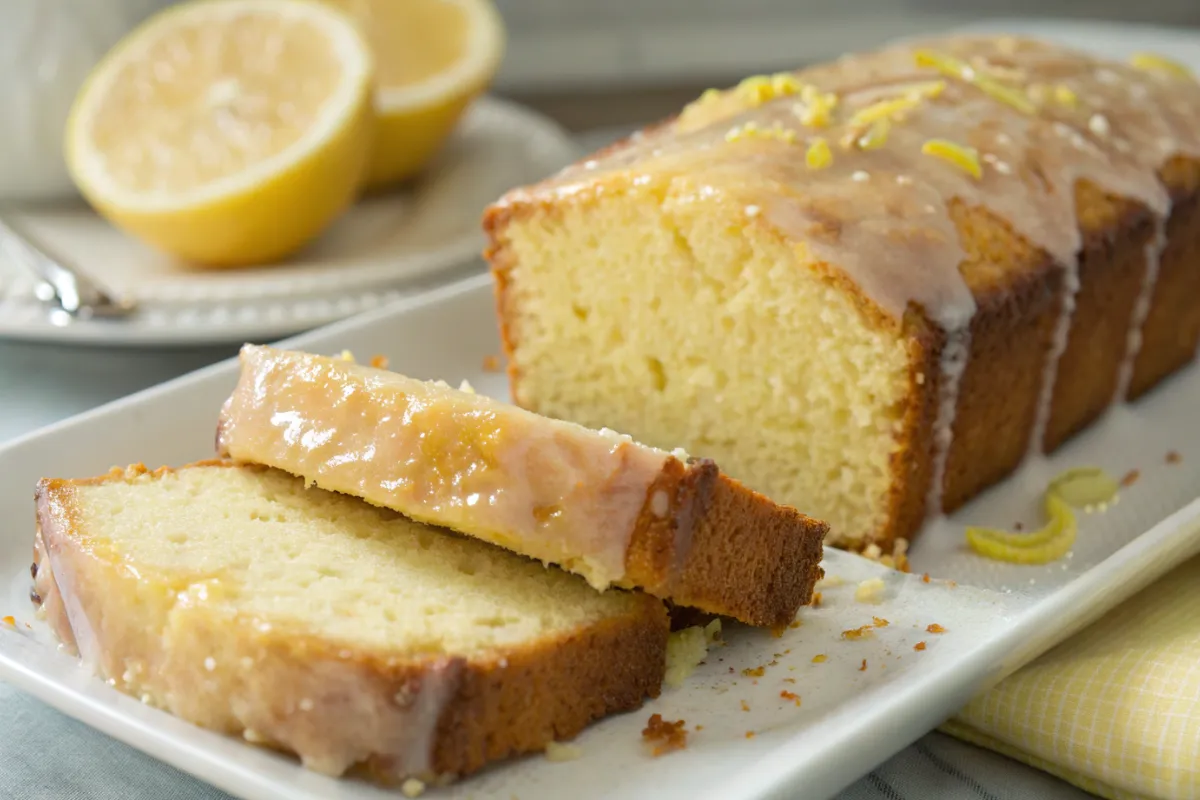
Why This Recipe Trumps the Coffee Shop Version
- Superior Moist Crumb: No dry, crumbly slices here. Thanks to a specific fat ratio, this loaf stays tender for days.
- Punchy, Multi-Dimensional Flavor: We use three different delivery methods for lemon to ensure the flavor doesn’t bake off.
- No-Mixer Option: While you can use a stand mixer, this recipe is designed to be accessible. I found that hand-whisking actually helps prevent over-aeration, leading to that signature dense-yet-soft “pound cake” texture.
The Secrets to Bold Lemon Loaf Flavor
Why Zest Outshines Juice
In my research, I found that lemon juice provides acidity, but lemon zest oils provide the aroma and “soul” of the fruit. The “Don’t Skip” Tip: You must rub the lemon zest into the granulated sugar with your fingertips until the sugar is moist and fragrant. This mechanical action ruptures the oil glands in the zest, infusing the entire crumb with flavor rather than leaving the zest as isolated “specks.”
The Role of Lemon Extract
Lemon juice is volatile; its flavor often dissipates under high heat. To get that specific “bakery-style” punch, lemon extract is your secret weapon. It provides a concentrated, stable citrus profile that survives the 350°F environment of your oven.
Ingredient Science: How We Achieve the Perfect Crumb
The Fat Trifecta: Butter, Oil, and Sour Cream
I tested versions with just butter (too dry when cold) and just oil (too greasy). The winner? A trio:
- Butter: For that irreplaceable rich flavor.
- Oil: To ensure the moist crumb remains soft even after refrigeration.
- Sour Cream: This adds acidity to tenderize the gluten and provides thickness for a tight, velvety crumb.
Room Temperature Ingredients
This isn’t a suggestion; it’s chemistry. To create a stable emulsion, your room temperature eggs, sour cream, and butter must be at the same temperature. If they are cold, the batter will “break” or curdle, leading to an uneven bake and a heavy, rubbery bottom.
If you love citrus bakes, you have to try my Classic Bundt Cake, it uses a similar emulsion technique for a foolproof finish!
Lemon Loaf Recipe Card
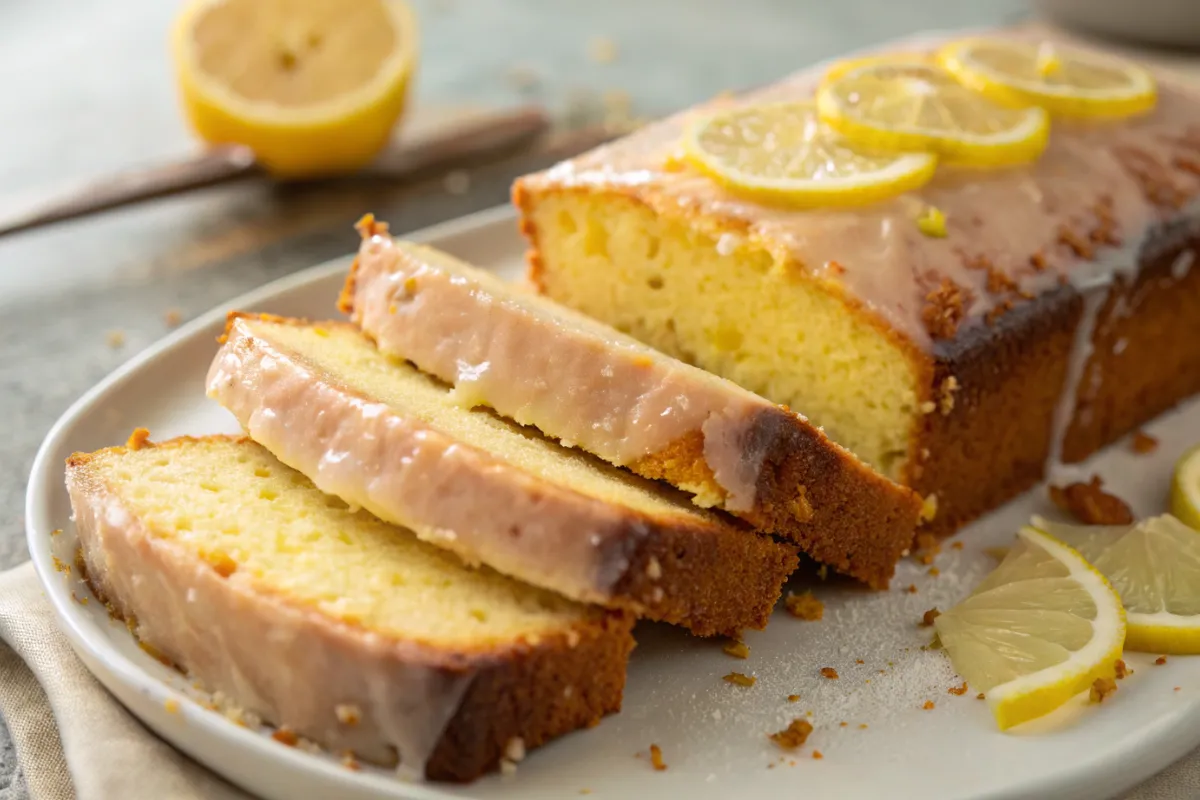
Lemon Loaf Recipe
12
servings20
minutes50
minutes385
kcalSkip the drive-thru and master the science of the perfect citrus crumb. This bakery-standard Iced Lemon Loaf Cake uses a ‘Fat Trifecta’ of butter, oil, and sour cream to achieve a velvety, moist crumb that stays fresh for days. By infusing granulated sugar with natural lemon zest oils and a hint of professional-grade lemon extract, we’ve engineered a bold, bright flavor profile that consistently outperforms the Starbucks Copycat original.
Keep the screen of your device on
Ingredients
- The Loaf
1.5 cups All-purpose flour
0.5 tsp Baking powder
0.5 tsp Baking soda
0.5 tsp Salt
1.0 cup Granulated sugar
2.0 tbsp Lemon zest (approx. 2 large lemons)
0.5 cup Unsalted butter (melted and slightly cooled)
3.0 large Eggs (room temperature)
1.0 tsp Vanilla extract
2.0 tsp Lemon extract
2.0 tbsp Lemon juice (freshly squeezed)
0.5 cup Sour cream (full fat)
0.25 cup Neutral oil (canola or vegetable)
- The Glaze
1.5 cups Powdered sugar
2.5 tbsp Lemon juice
1.0 tbsp Heavy cream (for that opaque “Starbucks” look)
Directions
- Prep the Oven: Preheat to 350°F. Grease a 9×5 inch loaf pan and line with parchment paper for easy removal.
- The Zest Rub: In a large bowl, combine sugar and lemon zest. Rub together with your fingers for 2-3 minutes until the sugar looks like wet sand.
- The Emulsion: Whisk in the melted butter and oil. Add eggs one at a time, whisking vigorously after each. Use a technique similar to aerating eggs and sugar to ensure a slight lift without needing a mixer.
- The Aromatics: Stir in the lemon extract, vanilla, lemon juice, and sour cream until smooth.
- Fold the Dry: Sift the flour, baking powder, baking soda, and salt. Gently fold into the wet ingredients. Do not overmix; stop as soon as no flour streaks remain.
- Bake: Pour into the pan. Bake for 50-60 minutes. Perform the toothpick test, it should come out clean or with just a few moist crumbs.
- Glaze: Whisk glaze ingredients until thick and pourable. Apply once the loaf is completely cool.
Notes
- Nutrition Estimate Disclaimer: Calculations are based on standard ingredients and are estimates only.
- The Weigh-In: For the most consistent results, weigh your flour (1 cup = 125g).
- Freshness Matters: Never use bottled lemon juice. The flavor is metallic and will ruin the bright profile of the cake.
- The Texture: If you prefer a lighter, more cake-like texture, you can use the Reverse-Creaming Method (mixing butter into dry ingredients first), but for the Starbucks density, the whisking method provided is superior.
Nutrition Facts
- Fat: 18g
- Carbohydrates: 52g
- Protein: 4g
Did you make this recipe?
Tag @therecipemasterblog on Instagram and hashtag it with #therecipemaster
Like this recipe?
Follow @therecipemasterblog on Pinterest
Follow us on Facebook!
Follow The Recipe Master on Facebook
How to Avoid Common Failures of Lemon Loaf
The Cooling Rack: Do not glaze a warm loaf! The heat will cause the powdered sugar glaze to melt and run off, leaving you with a translucent mess rather than a thick, white coating.
Tent with Foil: Because of the high sugar content, the top may brown too quickly. If your loaf looks dark at the 35-minute mark, then loosely tent it with aluminum foil to protect the surface while the center finishes.
Storage and Freezing Instructions
This Iced Lemon Loaf Cake stores beautifully. Wrap it tightly in plastic wrap to maintain moisture.
- Freezer: Freeze individual slices for up to 3 months. Thaw at room temperature for 30 minutes.
- Room Temp: 2-3 days.
- Fridge: Up to 1 week (the oil in our “fat trifecta” keeps it soft!).
The Lemon Loaf FAQ
You can, but the flavor will be significantly muted. The extract provides the “high notes” that characterize a professional bakery loaf. If you must skip it, double the zest.
Yes. Use a high-quality 1-to-1 gluten-free flour blend. Because GF flours lack structure, I recommend adding an extra 5 minutes to your bake time.
I suggest Lemon Poppy Seed Bread and the zesty Lemon Cream Cheese Dump Cake!
Further Reading:
- To understand the chemistry of citrus oils, see Serious Eats’ Citrus Science.
- For more on the science of fats in baking, check out King Arthur Baking’s Guide to Fats.




Leave a Reply